Wedding Guest Dress Code Guide: Decode Any Invite
A wedding guest dress code guide that turns black tie, cocktail, semi-formal and garden party into the exact length, silhouette and fabric to shop for.
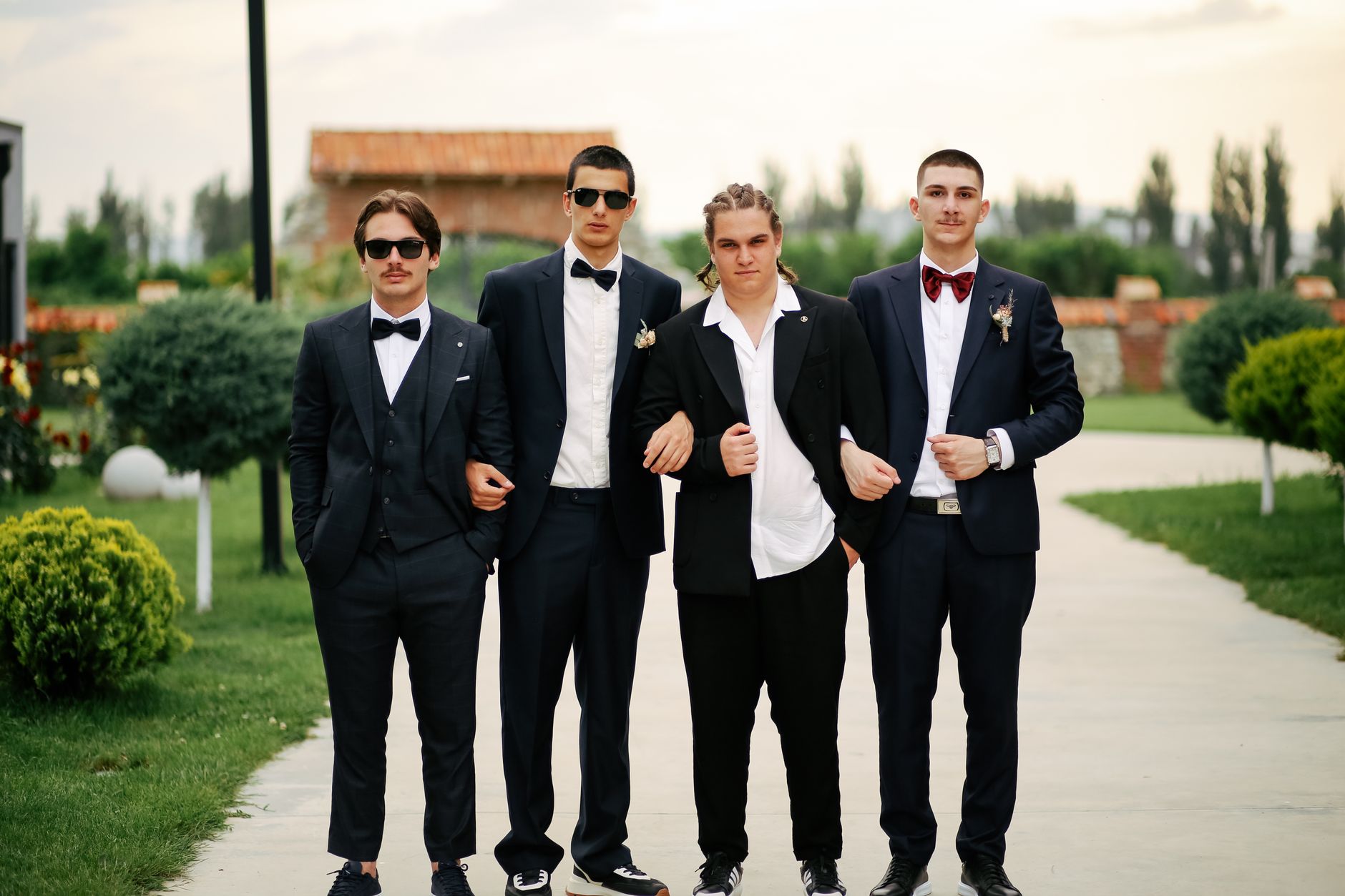
Photo by Photography Maghradze PH on Pexels
The invitation arrives, the save-the-date is already on the fridge, and then you hit the bottom line: Dressy Casual. Two words, zero instructions, and a sinking feeling that you are either going to be the most overdressed person at a vineyard or the only one in a sundress at a ballroom. A wedding guest dress code guide is really just a translation exercise — turning vague phrases into the three things you can actually filter by when you shop: length, silhouette and fabric.
Here is the short answer before the long one. Black tie means floor-length or a very dressy midi in a fabric with shine. Cocktail means knee-length to midi, structured, in crepe, satin or lace. Semi-formal is cocktail with the volume turned down a notch — midi, simpler fabric, lower heel. Dressy casual, garden party and beach formal all point to a midi or maxi in a lighter woven fabric with a print. Everything below is the detail that keeps you from guessing.
What do the dress codes on a wedding invitation actually mean?
Dress codes exist because the couple is trying to tell you something about the room — how formal the venue is, whether you will be on grass, how late the dancing goes. Read the code alongside the venue and the hour. A 6:30 p.m. ceremony at a historic hotel and a 4 p.m. ceremony at a working farm can both say "cocktail" and mean noticeably different things.
Black tie
Floor-length is the safest read. A full-length column, A-line or slip dress in satin, crepe, velvet or heavily beaded mesh all land correctly. If you would rather not do a gown, a tea-length or midi in a genuinely formal fabric — think duchess satin or a beaded overlay — reads as deliberate rather than underdressed. What does not work: cotton, linen, jersey, anything that looks like it could go to brunch.
Black tie optional / formal
This is the couple saying "a gown is welcome but not required." A floor-length dress is still perfect. So is a dressy midi in satin, lace or crepe with a defined waist. Darker or jewel-tone colors read more formal than pastels here, and a clean neckline with a statement earring does a lot of work.
Cocktail
The most common code on American invitations and the most misread. Cocktail means knee-length through midi, in a fabric with structure: crepe, satin, taffeta, brocade, corded lace, a stiff fit-and-flare. Full-length is generally fine now too, as long as the dress is not an obvious ball gown. A mini can work if the fabric is formal and the cut is clean — a sequin shift reads cocktail; a stretchy bodycon mini reads night out.
Semi-formal / dressy casual
Dial the shine down, keep the shape. A midi wrap dress, a printed A-line, a belted shirt dress in a crisp woven, a fit-and-flare in textured cotton sateen. Fabric is the giveaway: semi-formal tolerates matte and textured where cocktail wants sheen. Keep hemlines at or below the knee and you will be right nearly every time.
Garden party, beach formal and "festive"
Garden party asks for a midi or maxi in a light woven — chiffon, crepe de chine, cotton voile, a floral print — with a block heel or wedge because you will be standing on grass. Beach formal wants a maxi in something that moves, in a lighter color, with flat or low sandals and no heavy structure. "Festive" is cocktail with permission to use sequins, metallics or a bold color — it usually shows up on holiday-season invitations.
How do you pick the right length and silhouette for the venue?
Dress codes tell you formality. The venue tells you how the dress needs to behave for six hours. These two questions decide more outfits than the invitation wording does.
- Will you be outdoors on grass, sand or gravel? Floor-length hems drag and pick up dirt. Choose a midi, or a maxi with a hem that clears the ground, and avoid stilettos entirely.
- Is the ceremony in a house of worship? Many still expect covered shoulders. Look for a dress with sleeves, or pick one you can layer a wrap or bolero over without crushing the silhouette.
- Is it a daytime or evening reception? Daytime favors print, lighter color and matte fabric. Evening favors solid color, shine and deeper tones.
- How much dancing? Strapless bodices migrate. If you plan to be on the floor all night, look for boning, an interior grip band, straps, or a defined waist seam that holds the dress in place.
- What is the weather doing? Velvet in August is miserable. Chiffon in a January ballroom with a long outdoor photo session is equally miserable.
Silhouettes and what they do
Silhouette language on product pages is more useful than it looks once you know what each one is actually promising.
- A-line: fitted through the bust, gradual flare from the waist. The most forgiving across sizes and the most flattering on grass because the hem does not cling.
- Fit-and-flare: a sharper version with a nipped waist and fuller skirt — classic 1950s shape, excellent for dancing, reads formal in satin and semi-formal in cotton.
- Sheath/column: straight and narrow. Formal and modern, but unforgiving of any lining that bunches. Check reviews for stretch.
- Slip: bias-cut and fluid. Beautiful at black tie, but bias satin shows every seam underneath, so plan the layers.
- Wrap: adjustable, travel-friendly, great for semi-formal and garden party. Look for an interior tie plus a hidden snap.
- Empire: seam under the bust, skirt falls free. Comfortable for long receptions and warm venues.
Which fabrics work for each wedding dress code?
If you only learn one thing from this piece, make it fabric. Fabric is what makes two identical midi dresses read "guest at a black-tie wedding" and "office party." On a product page, the composition is usually buried under the size chart — go find it.
- Satin and charmeuse: maximum formality. Shows body lines; a heavier weight is more forgiving than a thin one.
- Crepe: matte with weight and drape. Skims instead of clinging and photographs beautifully. The most versatile formal fabric there is.
- Chiffon and georgette: airy, floaty, built for outdoor and warm-weather weddings. Needs a good lining.
- Lace and corded lace: instant formality. Corded and embroidered lace holds shape; stretch lace does not.
- Taffeta and mikado: structured, slightly crisp, holds a full skirt — the fit-and-flare fabric.
- Velvet: cold-weather formal, heavy and rich. Never for an August garden.
- Sequins and beading: festive and evening. Heavy, so check whether straps are reinforced.
- Cotton sateen, poplin, linen blends: dressy casual and daytime only.
A shopping checklist before you add to cart
Here is the field-notes version — the things worth checking on the product page before you commit, regardless of where you shop.
- Stated length in inches for your height, not just "midi." Midi on a 5'9" model is often knee-length on a 5'3" shopper.
- Lining. "Fully lined" prevents the single most common disappointment with chiffon and lace.
- Closure type. A back zipper you cannot reach alone is worth knowing about in advance.
- Stretch. "Non-stretch woven" means size up if you are between sizes; "stretch crepe" means go with your usual.
- Pockets and a waist seam — small details that change how a dress wears across a long day.
- The return window and whether returns are free. Order two sizes if the window allows it; sizing varies wildly between brands.
- Color accuracy. Check customer photos rather than the studio shot, especially for anything near ivory, champagne, blush or pale gray — all of which can read white in flash photography.
The two colors to think twice about
White and anything adjacent — ivory, cream, champagne, pale blush — are traditionally off the table for guests unless the couple explicitly invites them. All-black is widely accepted at evening weddings in the US now, though some families and some cultures still read it as somber, so a quick check with the couple or a member of the wedding party is a kindness. Red draws the eye in group photos; that is a preference, not a rule.
Where to shop once you know what you are looking for
The nice thing about having decided on "midi, fit-and-flare, corded lace" before you open a tab is that you stop browsing and start filtering. Two stores in our flock cover most of what a wedding guest needs.
For structured, vintage-leaning shapes — the fit-and-flare skirts, tea-length hems, lace bodices and satin finishes that sit squarely in cocktail and formal territory — ZAPAKA's wedding-guest and cocktail dress range is organized around exactly those silhouettes, with 1950s-inspired cuts alongside more modern evening styles. It is a good place to look when the invitation says black tie optional and you want shape rather than a column.
If the code is closer to dressy casual, garden party or a daytime semi-formal, newer trend-driven styles tend to fit the brief better. Princess Polly's dress selection refreshes constantly and skews toward current silhouettes — slip midis, wrap dresses, printed maxis — with fast shipping and straightforward returns, which matters when you are ordering two sizes to be sure.
Whichever direction you go, order early enough to try things on at home and, if needed, get a hem or a strap adjusted. A $20 tailor visit on a dress that fits the dress code beats a last-minute panic buy every single time.
Common questions
What does cocktail attire mean for a wedding guest?
Cocktail attire means a dress hitting anywhere from the knee to the ankle, cut with structure, in a fabric like crepe, satin, taffeta or corded lace. Full-length is acceptable as long as it is not a formal ball gown. Pair it with a heel or dressy flat and avoid cotton, jersey and anything that reads casual in photos.
Can you wear a floor-length dress to a semi-formal wedding?
Yes, a floor-length dress works at a semi-formal wedding if you keep the fabric and styling restrained — a simple crepe or matte satin maxi rather than a beaded gown. The risk is looking more formal than the couple intended, so a midi is the safer default. Check the venue too: long hems and outdoor grass receptions do not mix well.
What color should you avoid as a wedding guest?
Avoid white and its close relatives: ivory, cream, champagne and very pale blush or gray, all of which can photograph as white under flash. Unless the couple has specifically invited those shades, pick something clearly distinct. All-black is generally accepted at evening weddings in the US, though preferences vary by family and culture.