Wedding Guest Dress Code Guide: What the Invite Means
A wedding guest dress code guide that turns black tie, cocktail, semi-formal and garden party into the exact length, silhouette and fabric to shop for.
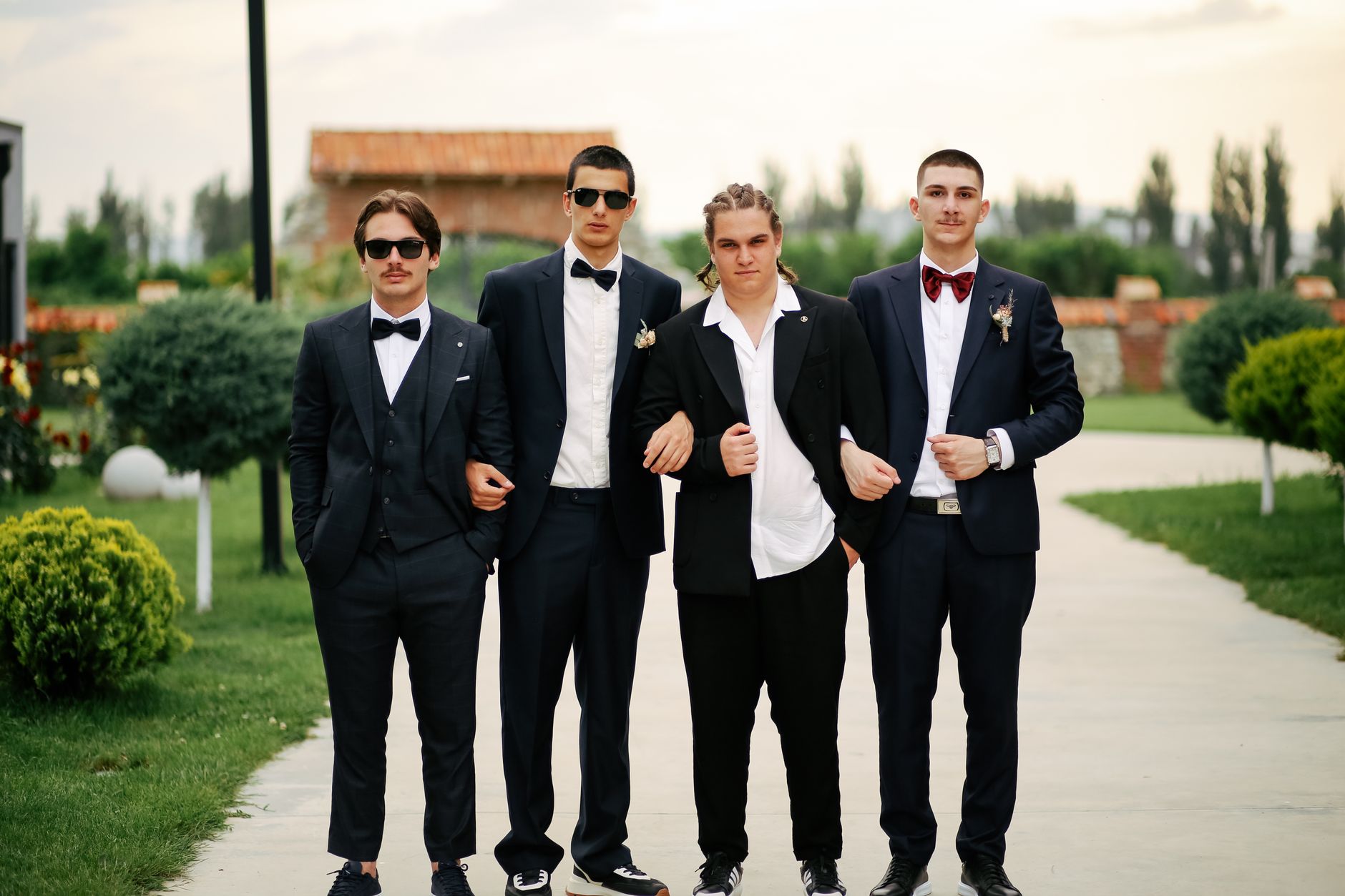
Photo by Photography Maghradze PH on Pexels
The invitation arrives, the save-the-date goes on the fridge, and then you hit the line at the bottom: "Cocktail attire. Garden formal." Two phrases, zero instructions. This wedding guest dress code guide translates those words into the three things you actually filter by when you shop: length, silhouette and fabric.
Here is the short version before the detail. Black tie means floor-length in a fabric with weight or shine. Black tie optional and formal both allow a long dress or a dressy midi. Cocktail is knee-length to midi in satin, crepe or lace. Semi-formal is a midi in a daytime fabric. Festive is cocktail with color or sparkle. Garden party and beach formal are midi or maxi in something that moves and breathes. Everything else below is nuance, and nuance is what keeps you from being the one guest who read the room wrong.
How do you decode each dress code on a wedding invitation?
Dress codes are less about rules than about matching the room. A ballroom with chandeliers asks for different fabric than a vineyard patio at 4 p.m. Read the venue, the start time and the season alongside the words, and the code usually resolves itself.
Black tie
Floor-length gown, full stop. Look for structure: a column, an A-line with a defined waist, or a bias-cut slip in heavy satin. Fabrics that read black tie are duchess satin, crepe, velvet, heavy chiffon with a lining, and anything beaded or sequined. Avoid cotton, linen, jersey and unlined chiffon — they photograph casual no matter how pretty the cut. A long dressy jumpsuit in crepe is generally accepted now, but it has to be the fanciest thing in your closet, not your office jumpsuit with better earrings.
Black tie optional and formal
This is the most flexible code on the list, and the one people over-think. Floor-length is always correct. So is a sharply tailored midi in satin or crepe, especially for an evening wedding in a city hotel. If the couple wrote "black tie optional," at least half the room will go long. Dress to the upper end and you will never feel underdressed.
Cocktail attire
Knee-length, just-above-knee, or midi. Silhouettes that work here: fit-and-flare, sheath, wrap, A-line with a full skirt. Fabrics: satin, crepe, lace over lining, taffeta, textured jacquard. A tea-length 1950s-style dress with a nipped waist sits perfectly in this code and tends to be more comfortable to sit and dance in than a tight sheath. Floor-length is usually fine at an evening cocktail wedding, but skip the ball gown.
Semi-formal or dressy casual
Think of this as cocktail's daytime cousin. Midi length is the safe center. Fabrics can be lighter — crepe de chine, georgette, a good ponte knit, embroidered cotton voile for summer. Sleeves are welcome here in a way they sometimes are not at black tie. A midi wrap dress with a small print is a nearly foolproof answer to semi-formal.
Festive attire
Cocktail length, but the couple is inviting color, sequins, metallics or velvet. Holiday weddings use this phrase most. It is not a costume cue — it means they would rather you wore emerald than beige.
Garden party, beach formal and destination
Outdoor weddings ask fabric to do two jobs: look polished and survive heat, wind and grass. Flowing midi and maxi lengths in chiffon, crepe de chine, linen blends and lightweight cotton sateen all work. Florals are genuinely appropriate here rather than merely tolerated. Skip heavy satin, which wrinkles in a car and shows every bit of humidity, and skip anything with a train that will sweep up sand or lawn clippings.
No dress code listed
Default to cocktail. A midi in a solid, slightly shiny fabric is correct at roughly 90% of American weddings where nobody specified. Then adjust: earlier ceremony and outdoor venue means lighter fabric; evening and indoor means richer.
What should you filter for when shopping online?
Most dress retailers let you narrow by length, neckline, sleeve and occasion. Use those filters in that order — length first, because length is the single thing a dress code actually dictates.
- Length: Mini sits below most wedding codes unless the couple said "cocktail" and you are at a casual city reception. Midi is the workhorse. Maxi and floor-length cover formal and above.
- Lining: On the product page, look for the words "fully lined." An unlined lace or chiffon dress needs a slip you may not own, and it is the most common reason a dress looks cheaper in person than on screen.
- Fabric content: Polyester satin is fine and widely used; just know it holds heat. Crepe resists wrinkling in a suitcase. Velvet and taffeta read formal. Linen reads daytime.
- Closure: A back zipper or corset back gives you alteration room. All-elastic bodices are comfortable but less adjustable.
- Stretch: Listings that say "no stretch" run truer to the measurement chart and less forgiving. Size to your largest measurement and take it in.
- Model height and size worn: Many listings include this. If the model is 5'10" in a midi and you are 5'3", that midi is your maxi.
Two more field notes. Check the return window before you order, not after — wedding shopping almost always involves sending something back. And order two sizes if the retailer makes returns painless; trying both at home beats guessing from a chart.
Where should you shop for each dress code?
Different codes pull toward different kinds of stores, and that is mostly about silhouette language.
For cocktail, festive and black-tie-optional weddings where you want a vintage-leaning shape — a defined waist, a full tea-length skirt, lace sleeves, a 1950s cut that holds its structure — ZAPAKA's vintage-inspired wedding-guest and cocktail dresses are built around exactly that vocabulary. It is a good place to look if modern slip dresses never quite sit right on you and you want a skirt with some swing for the dance floor.
For semi-formal, garden party and the trend-forward end of cocktail, Princess Polly's rotating mix of midi and maxi styles leans contemporary — satin slips, corset bodices, florals, the kind of thing you see on a vineyard patio in August. New styles land constantly, which helps when you are shopping six weeks out and the rest of the internet has sold out of your size.
A quick word on the usual rules: avoid white, ivory, champagne and anything that reads bridal in photographs, and ask the couple before wearing a full head-to-toe red or a dress that mimics bridesmaid colors if you have seen them. Black is widely accepted at evening weddings in the US and has been for years.
What else makes or breaks the outfit?
The dress is the decision; these are the details that make it land.
- Shoes and ground: Grass, gravel, cobblestone and sand all defeat a stiletto. Block heels and wedges exist for outdoor weddings.
- Temperature swing: Outdoor ceremonies that roll into evening get cold fast. A wrap, pashmina or tailored blazer is not a compromise, it is planning.
- Undergarments: Decide these before you decide the dress if you have a strong preference. A low back or thin strap changes what is possible.
- Alterations time: A hem and a waist take-in usually need one to two weeks at a local tailor. Order with that cushion.
- The sit test: Sit down, cross your legs, raise both arms. If any of those is a problem at home, it will be a problem during the toasts.
One last thing worth saying out loud: comfort is not the opposite of formal. The guest who looks best in the photos is usually the one who forgot what she was wearing an hour in.
Common questions
Can you wear a midi dress to a black tie wedding?
Strict black tie calls for floor-length, so a midi is a slight stretch. If you wear one, make it the most formal version possible: heavy satin, velvet or beading, with dressy heels and real jewelry. At "black tie optional," a sharp midi is entirely acceptable. When the invitation says black tie with no qualifier, long is the safer read.
What does cocktail attire mean for a woman at a wedding?
Cocktail attire means a dress that hits anywhere from just above the knee to midi, in a dressy fabric such as satin, crepe, lace or jacquard. Fit-and-flare, sheath and wrap silhouettes all work. Floor-length is generally fine at evening cocktail weddings, but skip ball gowns, and skip casual fabrics like jersey, cotton poplin and denim.
Is it still rude to wear black to a wedding?
In the US, black is widely accepted, especially for evening and indoor weddings, and has been standard for formal and black tie events for a long time. The exceptions are daytime outdoor weddings, where black can feel heavy, and weddings in cultures or families where black carries mourning associations. If you are unsure, ask someone close to the couple.
If you are still deciding, start with the length the invitation implies and let the rest follow. Browse the apparel stores in our lineup when you have a minute — no rush, the flock will still be here when the save-the-date turns into an RSVP.