Wedding Guest Dress Code Guide: What the Invite Means
A wedding guest dress code guide that turns black tie, cocktail, semi-formal and garden party into the exact length, silhouette and fabric to shop for.
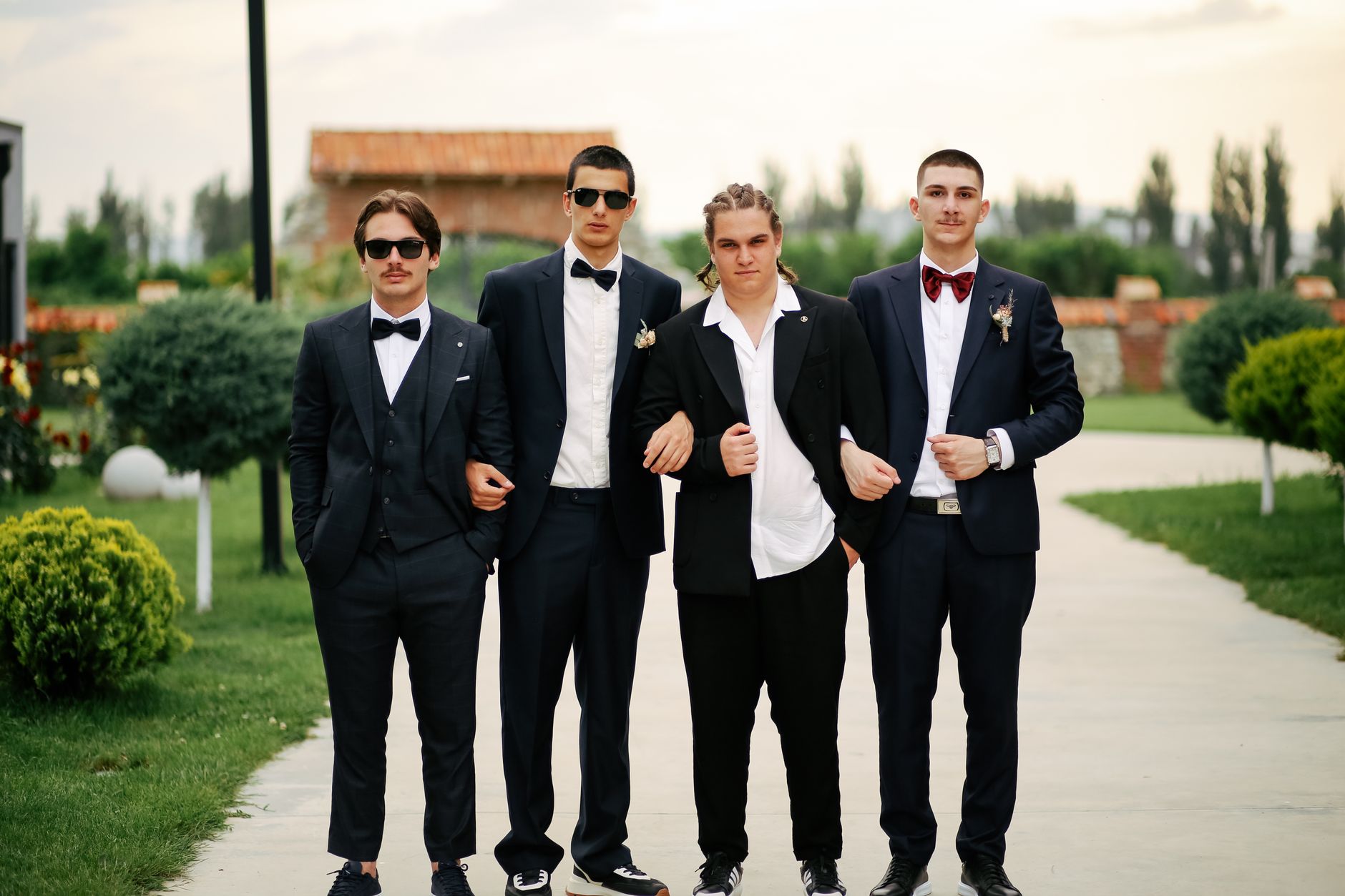
Photo by Photography Maghradze PH on Pexels
The invitation arrives, it's beautiful, and at the bottom in tiny italics it says "cocktail attire, garden chic." Cool. What does that mean for the thing you actually have to buy? This wedding guest dress code guide translates those two or three words into the stuff you can filter by on a product page: length, silhouette, fabric and shoe. That's the whole job.
Short version, if you only read this far: black tie means floor-length or a very dressy midi in a fabric with weight — satin, velvet, heavy crepe. Cocktail means knee to midi, nothing sweeping the floor. Semi-formal or dressy casual means midi in a soft fabric, or a polished shorter dress with real shoes. Garden party, beach, festive are mood words layered on top of one of those three — they change the print, the fabric and the heel, not the length. Everything below is the detail that keeps you from being the one person who misread it.
What do the main wedding dress codes actually mean?
Dress codes are shorthand for formality, and formality in clothing comes down to three levers: how much fabric, how heavy it is, and how much skin and structure it shows. Once you see it that way, the phrases stop being mysterious.
Black tie
The most specific code on the list, and the one couples mean most literally. For guests, that's a floor-length gown — or, increasingly accepted, a midi in a genuinely formal fabric with a formal shoe. Look for duchess satin, velvet, heavy crepe, chiffon over a lined slip, or beading. Silhouettes that read black tie: column, A-line gown, bias-cut slip, fit-and-flare with a defined waist.
What to avoid: jersey, cotton, anything that looks like it could double as a sundress, and spaghetti straps in a thin knit. Black is completely fine at a wedding now, whatever your aunt says, unless the couple asked otherwise. Jewel tones, deep neutrals and metallics all land well.
Black tie optional / formal
This is the couple saying "a gown would be lovely, a very good midi is also fine." Floor-length still works. So does a tea-length or midi dress in satin, lace or a structured crepe, worn with a heel and a dressier bag. The difference from strict black tie is mostly fabric latitude — you can wear a nice lace midi here that would feel slightly underdone at true black tie.
Cocktail attire
The most common code at American weddings and the most misread. Cocktail means not floor-length. Knee-length, just-above-knee, or midi hitting mid-calf to ankle. The vibe is party, not gala. Fabrics open way up: crepe, satin, lace, sequins, textured jacquard, velvet in winter. Silhouettes that work hard here are the fit-and-flare, the A-line with a full skirt, the sheath, and the wrap.
A cocktail dress should still look finished. The easy test on a product page: does the dress have structure somewhere — a lined bodice, a defined waist seam, a bit of body in the skirt? If it hangs like a T-shirt, it's probably a daytime dress.
Semi-formal and dressy casual
Semi-formal sits a notch below cocktail and usually signals an earlier ceremony or a less formal venue. Midi length in a soft, drapey fabric is the safest read. Dressy casual goes one step further down and lets you wear a floral midi, a nice shirtdress with a belt, or a shorter dress in a daytime fabric like cotton sateen or linen blend. You still want a heel, a block heel, or a dressy flat — not sneakers.
Festive attire
Almost always a holiday-season wedding. Read it as cocktail with permission to be louder: sequins, velvet, deep red or emerald, metallic thread, a bold print. Length stays cocktail unless the invite also says black tie.
Garden party, beach, and "whimsical"
These describe the setting, not the formality. A garden party is usually cocktail or semi-formal, held outdoors, which means florals, lighter fabrics, and — crucially — a heel that won't auger into the lawn. Beach weddings run semi-formal to dressy casual: flowing midi or maxi, breathable fabric, flat or wedge sandal. "Whimsical," "cottagecore," or a specified color palette means the couple cares about photos; lean into the requested colors rather than fighting them.
No dress code listed
Default to cocktail. A midi in a nice fabric is correct at roughly 80% of weddings and almost never looks out of place. If you need more signal, look at the venue on the invite — a historic hotel ballroom at 6 p.m. and a barn at 3 p.m. are telling you different things.
How do you translate a dress code into search filters?
Here's the part that saves time. Most dress retailers let you filter by length, neckline, sleeve and occasion. Set the filters once based on the code, and the overwhelming grid of options shrinks fast.
- Black tie: Length = maxi/floor. Fabric = satin, velvet, crepe, sequin. Occasion = formal/gown.
- Black tie optional: Length = maxi + midi. Fabric = satin, lace, crepe.
- Cocktail: Length = midi + mini/knee. Fabric = crepe, satin, lace, sequin, jacquard.
- Semi-formal: Length = midi. Fabric = chiffon, crepe, soft lace, jersey with structure.
- Garden party: Length = midi. Sleeve = flutter, short, or puff. Print = floral. Then check the shoe.
- Beach: Length = maxi or midi. Fabric = chiffon, linen blend, light satin. Avoid heavy lining.
If you like a vintage-leaning silhouette — defined waist, full skirt, lace detail, that 1950s fit-and-flare shape that photographs beautifully and hides a big dinner — ZAPAKA's vintage-inspired wedding guest dresses are built around exactly that construction, in tea-length and floor-length versions. For something newer and more trend-forward — slip dresses, sequin minis, the current season's silhouettes — Princess Polly's rotating dress drops move fast and lean party rather than formal.
What should you check on the product page before buying?
A dress can be the right code and still be the wrong dress. Field notes from the kind of shopping that goes well:
- Lining. "Fully lined" is the single most useful phrase in a dress listing. Unlined light fabrics go sheer in outdoor photography and flash.
- Model height and size worn. Most listings say "model is 5'9" and wears a size S." A midi on a 5'9" model is an ankle-length dress on someone 5'3". That changes the dress code read entirely.
- Closure. An invisible back zip sits flatter than an exposed one. A side zip with a hook is usually a sign of better construction. All-elastic backs stretch out over a long reception.
- Fabric content. Polyester satin is fine and common; just know it doesn't breathe, which matters for an August outdoor ceremony. A touch of elastane in crepe means you can sit through dinner comfortably.
- Straps and bra situation. Check whether there are bra-strap holders, a built-in cup, or a fully open back. Solve this before the dress arrives, not the morning of.
- Return window. Order two sizes if the window allows it. Sizing across dress brands is not consistent and never has been.
- Hem allowance. If you plan to tailor, look for a visible hem in the photos. Horsehair-braid and raw-edge chiffon hems are harder to shorten.
What are the real rules about color and coverage?
Short list, because most "rules" you've heard are optional now.
Still true: don't wear white, ivory, cream, champagne or a mostly-white print unless the couple explicitly invited it. Don't upstage with a full bridal silhouette — strapless ballgown in blush reads as a bridesmaid at best. If the couple named a palette, honor it.
No longer true: black is off-limits, red is attention-seeking, you can't wear a print, you can't repeat a dress. All fine.
Context-dependent: coverage. Houses of worship, cultural ceremonies and some family traditions call for covered shoulders and knees. A dress with sleeves or a sleeve-style wrap solves this, and a pashmina stuffed in a tote solves the backup. If you're unsure, ask whoever invited you — nobody has ever been annoyed by that question.
How do you build one outfit that survives the whole day?
Weddings are long. Ceremony, cocktail hour on grass, dinner, dancing, a cold walk to the car. The dress is one decision; the rest determine whether you enjoy it.
Pick a shoe you can stand in for three hours, and if any part of the event is outdoors, choose a block heel or wedge over a stiletto. Bring a flat in your bag for the dance floor. A wrap, blazer or long-sleeve topper handles evening temperature swings and doubles as coverage for a ceremony. Keep the bag small — a clutch or a slim shoulder bag — because you'll be holding a drink and a program.
And steam the dress the night before. Polyester satin arrives folded, creases set, and a hotel-room shower doesn't fix it.
Common questions
Can you wear a long dress to a cocktail wedding?
Yes, a long dress works at a cocktail wedding as long as it isn't an obvious ballgown. A slim maxi or a bias-cut slip in crepe or satin reads as elevated rather than overdressed. Avoid heavy beading, cathedral trains and structured corsetry, which push the outfit into black tie territory and can outshine the hosts.
What length dress is appropriate for a semi-formal wedding?
Midi length is the safest choice for semi-formal, hitting anywhere from mid-calf to just above the ankle. Knee-length also works if the fabric is dressy — crepe, lace or satin rather than cotton jersey. Floor-length is usually more than the occasion calls for, though a simple unembellished maxi can pass at an evening semi-formal reception.
Is black okay to wear as a wedding guest?
Black is widely accepted at weddings today, especially evening, indoor and city celebrations. It's a standard cocktail and black-tie color. The exceptions are weddings where the couple has requested a specific palette, some cultural or religious traditions where black carries mourning associations, and very casual daytime outdoor events where it can feel heavy.
If you've decoded the invite and just need the dress, start with the length and fabric you landed on, then browse. The flock tends to find something faster that way than scrolling an unfiltered grid at midnight.