Wedding Guest Dress Code Guide: What the Invite Means
A wedding guest dress code guide that turns black tie, cocktail, semi-formal and garden party into the exact length, silhouette and fabric to shop for.
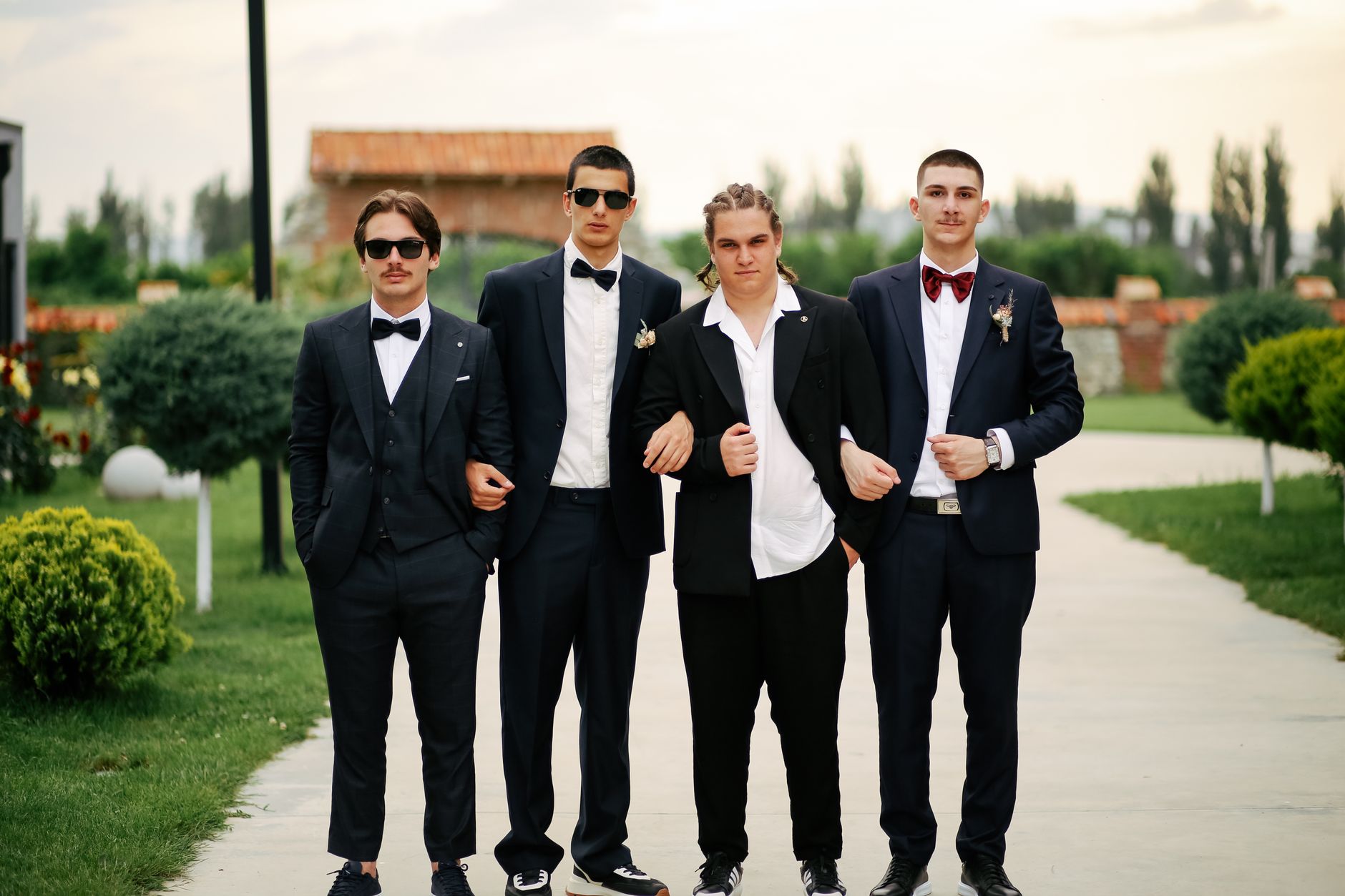
Photo by Photography Maghradze PH on Pexels
The invitation arrives, the save-the-date goes on the fridge, and then you hit the line at the bottom: Garden Formal. Two words, no explanation, and suddenly you're googling whether that means a gown or a sundress. This wedding guest dress code guide exists to translate those two-word phrases into something you can actually shop with — a length, a silhouette, a fabric weight, the kind of thing you can type into a filter menu and get real results from.
Here's the fast answer, because you probably have a venue to RSVP to. Black tie means floor-length, or a very deliberate dressy midi in a formal fabric. Cocktail means knee-length to midi, structured, nothing sweeping the floor. Semi-formal or dressy casual means midi, softer fabric, lower heel. Garden party or beach formal means midi or maxi in something that moves — chiffon, crepe, light satin — and a heel that won't sink into grass or sand. Everything after this is the detail that keeps you from ordering the wrong thing twice.
What do the dress codes on a wedding invitation actually mean?
Dress codes are a couple's way of setting the temperature of the room. They're rarely enforced and almost never explained, but they do carry fairly consistent meaning. Reading them correctly is mostly a matter of matching three variables: length, structure, and sheen.
Length tells people how formal you intend to be. Structure — boning, lining, a defined waist, a heavier woven fabric — reads dressier than something soft and draped. Sheen does a surprising amount of work: the same midi dress in matte crepe reads daytime, and in satin reads evening. Once you think in those three dials, the phrases stop being mysterious.
Black tie
Floor-length is the safe read. A full-length gown in satin, velvet, crepe or heavier chiffon. Column, A-line and fit-and-flare all work; so does a slip gown if the fabric has real weight to it and the lining is opaque. If you'd rather not wear a gown, a formal midi in a luxe fabric — think structured satin or a beaded overlay — passes at most black-tie weddings, especially evening ones in cities. What doesn't pass: cotton, jersey, anything with a visible casual texture like linen or seersucker.
Filter for: maxi length, satin or velvet, sleeveless or long sleeve, lined.
Black tie optional / formal
You can wear the gown, and plenty of guests will. You can also wear a dressy midi and be perfectly correct. This is the code where a midi in a formal fabric is arguably the smartest buy, because you'll wear it again to holiday parties and anniversary dinners where a floor-length gown would be a lot.
Filter for: midi or maxi, satin, crepe, lace, defined waist.
Cocktail
The most common code on American wedding invitations and the one people most often overthink. Cocktail means knee-length to midi. It means a dress with some shape to it — a nipped waist, an A-line skirt, a bodice that holds its own. It does not mean a floor-length gown, and it doesn't mean the dress you'd wear to brunch.
This is where a 1950s-inspired silhouette genuinely shines: fitted bodice, full or pencil skirt, hits mid-calf or just below the knee. It's flattering across a lot of body types and it photographs beautifully, which matters more at weddings than almost anywhere else. Vintage-cut cocktail and wedding-guest dresses are a good hunting ground here, since so much of the catalog is built around exactly that waist-and-skirt shape.
Filter for: midi or knee-length, fit-and-flare or sheath, lace, crepe, satin.
Semi-formal and dressy casual
Usually an earlier ceremony, a restaurant reception, or a couple who want guests comfortable. Midi length, softer fabrics, less shine. A floral chiffon midi, a wrap dress in a drapey crepe, a simple sheath with an interesting sleeve. You can drop the heel height and lean into a block heel or a dressy flat.
Filter for: midi, wrap or A-line, chiffon, floral print, short or flutter sleeve.
Garden party, beach formal and "festive"
These three get lumped together because they all mean the same practical thing: dress up, but account for the ground and the weather. Grass eats stilettos. Sand eats everything. Wind turns a loose maxi into a sail.
- Garden party: midi length, floral or color, block heel or wedge. Avoid a train, avoid anything that drags.
- Beach formal: maxi in lightweight chiffon or georgette, flat or wedge sandal, and a slip you trust. Bring a wrap for when the sun drops.
- Festive: usually a holiday-season wedding. Cocktail rules, but with permission to wear jewel tones, sequins or velvet.
"Elevated casual," "no dress code," and other modern phrasing
When there's no code at all, take your cue from the venue and the start time. A 6 p.m. ballroom reception wants cocktail. A 2 p.m. backyard ceremony wants a midi sundress in a nice fabric. When the invitation says something invented and charming like "garden whimsy" or "dress to dance," read it as cocktail with personality — the couple is telling you to have fun, not to dress down.
How do you pick a silhouette that works for the venue?
Dress codes tell you formality. The venue tells you physics. A few pairings worth knowing before you commit:
- Outdoor ceremony, indoor reception: choose a fabric that doesn't wrinkle at the back of the skirt from sitting on folding chairs. Crepe and textured jacquard recover well; stiff taffeta and linen-blend do not.
- Church or house of worship: have a shoulder covering ready. A matching shrug, a pashmina, or a dress with built-in sleeves saves you from improvising.
- Barn, winery or anywhere with a gravel path: block heel, wedge or an embellished flat. A maxi that clears the floor by a half inch will still find every puddle.
- Rooftop or waterfront: wind. Pick a midi with some weight, or a maxi with a lined underlayer, and skip the high slit unless you want to manage it all night.
- Long reception with real dancing: look for a dress with stretch in the bodice or a skirt with movement. Strapless is lovely for photos and a chore for four hours.
Which colors and prints should a wedding guest avoid?
The old rules have loosened, but a few still hold for good reason.
White, ivory, cream, champagne, blush-that-reads-white in photos. This is the one genuine rule. If you have to hold a dress up to the light and ask a friend, it's not the dress. Flash photography washes out pale colors dramatically, so a dress that looks clearly beige in your bedroom can read white in the group shot.
All-over sequins at a daytime wedding. Not forbidden, just loud before 4 p.m. Save it for evening or festive codes.
Anything that matches the bridal party exactly. If you know the color — dusty blue, sage, terracotta are all having a long moment — pick something adjacent instead so you don't appear to be in formation in the background of every photo.
Black is fine at American weddings in nearly all contexts now. Red is fine. Bold florals are fine. The only remaining caution is the couple's own stated wishes, which some invitations include; if they ask guests to wear a specific palette, that overrides everything here.
What should you check on a product page before you order?
Online dress shopping fails in predictable places. A quick field-notes checklist to run before you hit buy:
- Model height and size worn. Usually in the description. A midi on a 5'10" model is a maxi on a 5'4" shopper, and that changes the dress code read entirely.
- Fabric composition, not just the fabric name. "Satin" can mean polyester charmeuse or a heavy duchess weave. The percentage breakdown tells you how it will hang and whether it will cling.
- Lining. If the listing doesn't say "fully lined," assume it isn't, and plan for a slip — especially in light colors.
- Stretch. Any elastane in the blend means forgiveness after dinner. Zero stretch means size by your largest measurement.
- Closure. An invisible back zip you can't reach alone is fine if you're traveling with someone, less fine if you're getting ready solo in a hotel room.
- Return window and whether it starts at purchase or delivery. Order early enough to swap sizes once.
- Measurements in inches, not just S/M/L. Bust, waist and hip in a chart beats a letter every time. Compare to a dress you already own and love.
If you're building a short list across a few price points, it helps to shop stores that lean in different directions — one for trend-led, of-the-moment cuts and one for classic shapes. New arrivals in contemporary wedding-guest cuts land often enough that it's worth checking twice during a search, and the timeline matters more than people expect: order roughly six to eight weeks out, keep the receipt, and give yourself room for a hem.
How many wedding-guest dresses do you actually need?
If you have three weddings this year and they're in different circles, one dress is genuinely enough. If two of them share a guest list, buy two — or buy one and change the read with accessories. A black midi with gold jewelry, a statement heel and hair up is a different dress from the same black midi with a colored wrap, flats and hair down. Photos are the only reason anyone notices, and the flock of overlapping guests is usually smaller than you think.
The better investment is a dress in a formal fabric and a neutral-but-not-white color, with a waist you like, that you can restyle. That's the one that earns its closet space.
Common questions
What does cocktail attire mean for a wedding guest?
Cocktail attire means a knee-length or midi dress with some structure — a defined waist, a lined bodice, a fabric like crepe, lace or satin. Skip floor-length gowns, which read black tie, and skip casual fabrics like jersey or cotton. A fit-and-flare or sheath midi with a heel is the reliable interpretation at nearly any American wedding.
Can you wear a long dress to a cocktail wedding?
You can, and plenty of guests do, but a full ballgown will look dressier than the room. If you want length at a cocktail wedding, choose a simple column or slip maxi in a matte fabric rather than a formal gown with a train or heavy embellishment. A midi remains the most accurate read of the code.
Is it okay to wear black to a wedding?
Yes. Black is widely accepted at American weddings, including daytime ones, and a black cocktail dress is one of the most versatile things you can own. The exceptions are a stated color palette from the couple and certain cultural or religious traditions where black carries different meaning — worth a quick check with the couple or a family member if you're unsure.
Browse the apparel stores in our lineup when you're ready to start filtering by length and fabric — no rush, no countdown, just a decent place to begin the search.