Wedding Guest Dress Code Guide: Decode Any Invite
A wedding guest dress code guide that turns black tie, cocktail, semi-formal and garden party into the exact length, silhouette and fabric to shop for.
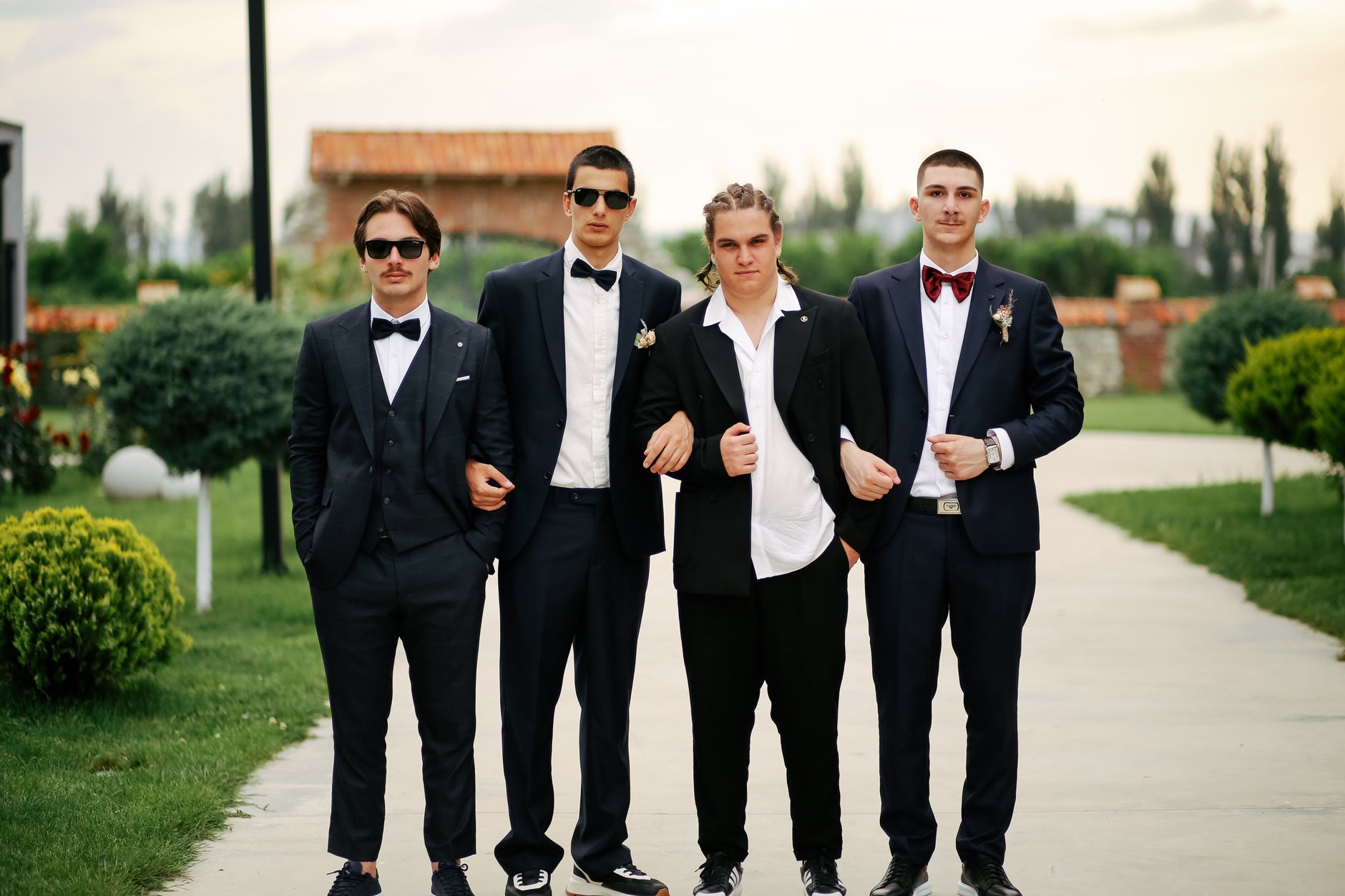
Photo by Photography Maghradze PH on Pexels
The invitation arrives, the date goes on the fridge, and then your eyes land on two words in small italic type at the bottom: cocktail attire. Or dressy casual. Or the one that launches a thousand group chats, festive formal. This wedding guest dress code guide exists because those phrases are not decoration — they are instructions, and once you know how to read them, shopping gets dramatically faster.
Here is the short version. Dress codes are really telling you three things: how long the dress should be, how structured the silhouette should be, and how much shine the fabric is allowed to have. Black tie means floor-length and fluid. Cocktail means knee to midi with some structure. Semi-formal means midi in a matte or lightly textured fabric. Beach and garden mean breathable fabric and a hem that will not drag through grass or sand. Everything below is the long version, with the specific details to look for on a product page.
What does each wedding dress code actually mean?
Treat the dress code as a floor, not a ceiling. You can always be a notch more polished than the invitation asks; being a notch under is the uncomfortable one. Here is the ladder, from most formal down.
White tie
Rare, and you will know it when you see it — think a historic venue, a full orchestra, gloves in the photos. White tie means a full-length gown, nothing shorter. Look for floor-sweeping hems, structured bodices, and fabrics with weight: duchess satin, heavy crepe, velvet in cooler months. Jewelry is the formal kind, not the fun kind.
Black tie
The most common "capital F" formal request. Floor-length is the safe answer, though a very polished full-length jumpsuit or a dressy midi in an evening fabric has become acceptable at many modern weddings. Filter for: maxi length, column or A-line silhouette, satin, velvet, chiffon over lining, beading or sequins. Avoid cotton, linen, and anything with a casual print.
Black tie optional / formal
This is the couple saying "we would love gowns, but we are not going to be difficult about it." A floor-length dress works perfectly. So does a long midi — hitting mid-calf or lower — in satin, crepe or lace. This is the single most forgiving formal code and a great place to buy a dress you will actually wear again.
Cocktail attire
The workhorse of wedding invitations. Cocktail means a dress that ends somewhere between just above the knee and mid-calf. Midi is currently the most photographed length and reads a little more elevated than a short hem. Think structured: a fit-and-flare, a sheath, a wrap with a defined waist, a tea-length skirt with body to it. Fabrics that work: crepe, satin, taffeta, lace, textured jacquard. Keep the shoe dressy — this is not a block-sandal moment unless the venue is outdoors.
Semi-formal / dressy casual
Usually signals an earlier ceremony or a restaurant reception. A midi dress in a matte fabric is the sweet spot: crepe, ponte, a soft georgette, a polished cotton sateen. You can wear a print here. You can wear a lower heel here. What you want to avoid is the extremes — a heavy beaded gown will feel costumey, and a jersey sundress will feel like you misread the invitation.
Beach formal / destination
The length is flexible; the fabric is not. You want something that moves in wind and does not cling in humidity: chiffon, voile, crinkle georgette, lightweight lace. Floor-length is lovely for photos, but check that the hem is not so long it drags through sand. Heels sink. Wedges, block heels and dressy flat sandals are the practical picks.
Garden party / cocktail garden
Florals, pastels, tea-length and midi hems, and hats are often welcome. The key constraint nobody mentions on the invitation is the ground — grass, gravel, maybe a slope. Choose a hem that clears your shoe and a heel with a wide base.
Festive / creative black tie
The couple wants formality and personality. Read it as black tie with permission: a bold color, a sequined fabric, an unexpected silhouette, a dramatic sleeve. Still long, still evening fabric — just not quiet.
How do you choose a silhouette, length and fabric that work together?
A dress code narrows the field. These three decisions close it.
Length. Maxi reads most formal, midi is the most versatile, and a hem just above the knee reads youthful and modern but should stay reserved for cocktail and below. If you are between two codes, go longer. Length is the easiest lever to pull and the one guests notice first.
Silhouette. Match structure to formality. A column or slip shape in satin is evening; the same slip shape in cotton is brunch. A fit-and-flare or 1950s-style full skirt reads cocktail and garden party beautifully and is forgiving to dance in. A sheath is clean and office-adjacent, so it needs an evening fabric to clear the semi-formal bar. An empire waist travels well and sits comfortably through a long seated dinner.
Fabric. This is where most wedding guest outfits succeed or fail, and it is the thing product photos hide. Shine equals formality. Matte equals daytime. A quick translation:
- Satin, charmeuse, duchess: highest shine, most formal, shows every line underneath — check for lining and seaming.
- Crepe: matte with weight and drape, skims rather than clings. The most dependable all-rounder across cocktail and formal.
- Chiffon and georgette: airy, floats in photos, needs a full lining. Ideal for beach, garden and warm-weather formal.
- Lace: reads dressy at any length. Check whether the lace is corded (structured) or stretch (softer) and what the lining does.
- Velvet: fall and winter only, very formal, warm to wear in a crowded room.
- Taffeta and jacquard: holds a shape, great for full skirts and tea-length styles.
- Cotton, linen, jersey: casual-leaning. Fine for dressy casual outdoor weddings, under-dressed for cocktail and up.
What should you look for on the product page before you buy?
Online, you are shopping from photos taken in ideal light on one body. A few specifics close the gap between the listing and the dress that arrives.
- The model height and the size she is wearing. A "midi" on a 5'10" model is a maxi on a 5'3" guest. Most apparel sites publish both; use them.
- Stated garment measurements, not just S/M/L. Bust, waist and length in inches beat a size chart every time. Measure a dress you already own and compare.
- Lining. "Fully lined" is the phrase you want for chiffon, lace, and anything pale. Unlined pale fabrics are see-through under flash photography.
- Closure type. A back zip means a fixed fit; smocking or a corset back gives you a couple of inches of grace either way.
- Stretch content. A few percent elastane in a crepe or satin makes a seated dinner far more pleasant.
- Slit height and neckline depth. Both are usually listed; both are usually higher and lower than they look on a standing model.
- Care label. Dry clean only is fine for one wear, worth knowing before you spill.
- Return window and whether returns are free. Order two sizes when the timeline allows and send one back.
Where to shop by dress code
If your invitation lands anywhere in the cocktail-to-black-tie range and you like a silhouette with some romance to it, ZAPAKA's vintage-inspired wedding guest dresses are built around exactly those shapes — 1950s fit-and-flare, tea-length, lace bodices, and floor-length evening styles, with listings that spell out fabric and length so you can match them to the invite. For a cocktail or dressy-casual wedding where you want something current and easy to return if the fit is off, Princess Polly's rotating dress drops lean modern — satin slips, structured minis and midis in the colors of the moment.
What are the rules nobody writes on the invitation?
Some things are universal enough that couples assume you know them. A quick field note from the flock:
- Skip white, ivory, cream and champagne unless the couple has explicitly asked for it. This includes mostly-white florals.
- Check for a cultural dress code. Some weddings ask guests to avoid red, black or specific colors. If the invitation or wedding website mentions it, that instruction beats everything in this article.
- Look up the venue. A barn, a ballroom and a rooftop all host "cocktail attire" weddings and call for very different shoes.
- Check the season and the ceremony time. Evening weddings skew more formal than the same code at noon.
- Plan for the temperature swing. Outdoor ceremonies cool off fast after sunset. A wrap, a tailored jacket or a long sleeve solves it without changing your dress code.
- If the invitation says nothing at all, cocktail attire is the safest default for an evening wedding and semi-formal for a daytime one.
Common questions
Can you wear a midi dress to a black tie wedding?
Often, yes. Floor-length remains the most traditional answer for black tie, but a long midi in an evening fabric — satin, velvet, beaded lace — is widely accepted at modern weddings, especially when the invitation says "black tie optional." Pair it with a dressy heel and evening jewelry. For a formal evening ceremony at a historic or ballroom venue, a full-length gown is the safer pick.
What does cocktail attire mean for a wedding guest?
Cocktail attire means a dress ending between just above the knee and mid-calf, in a fabric with some polish: crepe, satin, lace, taffeta or jacquard. Structured silhouettes like a fit-and-flare, sheath or defined-waist wrap work best. Skip floor-length gowns, heavy beading and casual fabrics like cotton or jersey, and keep the shoe dressier than a flat sandal.
What color should you avoid at a wedding?
Avoid white, ivory, cream and champagne, including heavily white prints, so you are not read as competing with the couple. Beyond that, check the wedding website — some families ask guests to skip red or black for cultural reasons. Jewel tones, pastels, florals and metallics are broadly safe, and deeper shades read more formal for evening ceremonies.
Decode the invitation first, then filter by length, silhouette and fabric — in that order — and the shopping part takes an afternoon instead of three weeks. When you are ready to browse, our Apparel picks are a good place to start looking.