Prom Dress Fabric Guide: Lace, Tulle or Satin?
A prom dress fabric guide to lace, tulle and satin: how each one moves, breathes and photographs, plus what to check before you click buy.
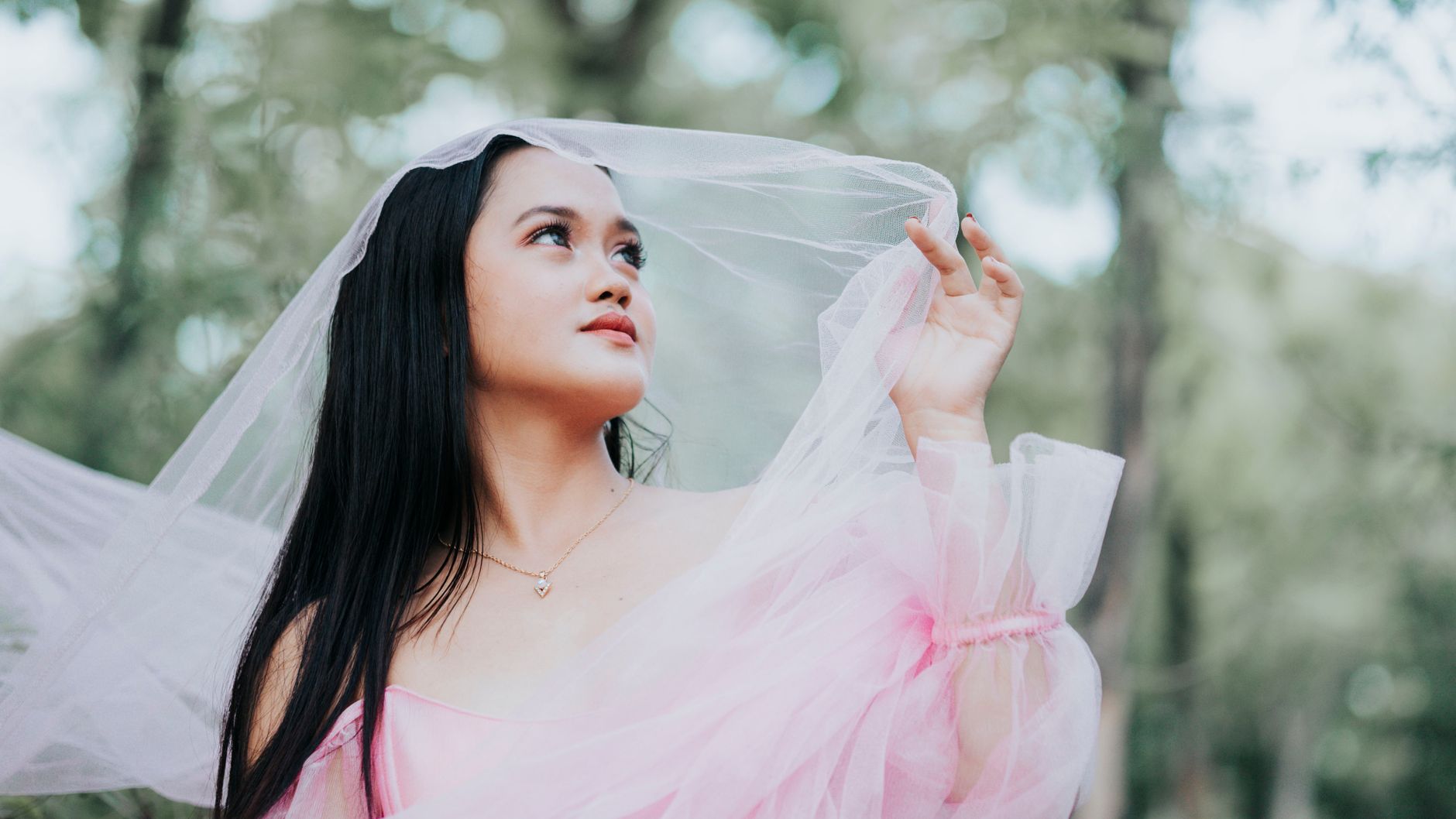
Photo by Art Laurence Luzon on Pexels
The dress that looked like liquid moonlight on your screen can turn into a sweaty, clingy regret by 9 p.m. Not because the color was wrong, or the size, or the price — because nobody mentioned what it was made of. This prom dress fabric guide is the part of the decision most shoppers skip, and it's the part that decides whether you dance in the thing or sit down in it.
Short answer first: satin photographs with a glossy sheen and skims the body, so it's the most flattering under a camera and the least forgiving over a heavy dinner. Tulle is light, airy and full of movement — the best choice for a hot gym, a long night, and twirling shots — but it reads as volume rather than shape. Lace sits in between: texture that holds up beautifully in close-ups, decent breathability, and the most variation in quality from one dress to the next. Most dresses you'll actually buy are a blend of two of these, and that's usually the right answer.
How does each prom dress fabric move and breathe?
Fabric behaves like a personality. Before you fall for a photo, it helps to know what you're signing up for.
Satin
Satin is a weave, not a fiber — which is why "satin" covers everything from stiff, papery polyester to a fluid stretch charmeuse that moves like water. The weave floats threads on the surface, and that's what creates the shine.
What it does well: it drapes down the body in one long, unbroken line, which is why column and mermaid gowns are almost always satin. It catches light along the hip and thigh in a way no other fabric does.
What it does less well: it shows everything. Seam lines, undergarments, a stray crease from the shipping box, the spot where you leaned against a chair back. It also doesn't breathe much. Polyester satin in particular traps heat, so if your venue runs warm, look for a satin with a bit of stretch (usually listed as elastane or spandex in the composition) — the give makes the sitting-and-standing cycle far more comfortable.
Tulle
Tulle is netting. On its own it's barely there; in six layers it becomes an A-line skirt with real presence. It's the lightest of the three by a wide margin and the most forgiving of body temperature, since air passes straight through.
The catch is texture. Cheap tulle is scratchy against bare legs and can look flat and synthetic under direct light. Soft tulle — sometimes labeled "illusion tulle," "English net" or "soft bridal tulle" — costs more and is worth it if your skirt touches skin. Check whether the dress includes a lining; an unlined tulle skirt against your thighs for four hours is a long four hours.
Lace
Lace is the texture player. In photographs, especially close-ups and half-body shots, it gives the camera something to focus on — the eye reads detail instead of a flat panel of color. It's also the most variable category on the market. Chantilly lace is fine, soft and delicate. Guipure (or Venise) lace is heavier, with raised corded motifs and no mesh background. Embroidered mesh with sequins is technically not lace at all, but it's sold that way constantly.
Lace almost never stands alone — it's applied over a lining, and that lining is what you'll actually feel. If the product page says lace with a satin lining, you've got lace looks with satin behavior underneath.
Which fabric photographs best under prom lighting?
Prom photos happen in three very different lighting situations, and fabrics don't perform equally in all of them.
- Direct flash (the photographer's backdrop, phone cameras in a dark room): satin blows out. The highlight goes pure white and the detail disappears. Lace and tulle handle flash far better because the texture breaks up the reflection.
- Golden-hour outdoor photos (the pre-prom park or front-porch session): satin is spectacular here. Soft directional light is exactly what that sheen was made for. Tulle glows when it's backlit — sun behind you turns the skirt translucent and luminous.
- Dim venue light with colored uplighting: texture wins again. Lace and beading pick up ambient color and read as dimensional. Flat matte fabrics can go muddy.
One color note that matters more than fabric purists admit: shine amplifies color saturation. A jewel-tone satin photographs more intensely than the same color in crepe or chiffon. If you want a deep emerald or a true red to land in pictures, satin will get you there. If you're wearing a pale or pastel shade, texture carries it better than shine does — a blush lace reads as a dress, while blush satin can wash out under flash.
What should you check on the product page before buying?
Most of what you need is written down somewhere, usually in small text under the photos. A quick field-notes checklist:
- Fiber composition. "100% polyester" tells you it will hold color and resist wrinkles but won't breathe much. Any percentage of elastane means stretch, which almost always means more comfort. Natural fibers in formalwear are rare and priced accordingly.
- Lining. Fully lined, partially lined, or unlined? This single detail decides comfort more than the outer fabric does.
- Closure type. Invisible zipper, corset back with lacing, or side zip. Corset backs give you several inches of adjustment, which is genuinely useful if you're ordering ahead of the date or between sizes.
- Built-in support. Look for "built-in bra cups," "boning" or "padded bust." Strapless styles without boning rely entirely on fit, and you'll spend the night adjusting.
- Weight and layer count. Tulle listings often say how many layers the skirt has. More layers equal more volume and more heat.
- Care instructions. Dry clean only versus spot clean matters if you're borrowing, reselling or keeping the dress.
- A real length measurement. Floor-length gowns are typically cut for a specific heel height. If the listing gives a hollow-to-hem measurement, use it — it's the most reliable number on the page.
Order early enough for alterations
Nothing improves a dress more than a hem and a nipped waist, and both take time. Satin and lace both tailor well; satin shows old needle holes, so a good tailor will want to get it right the first time. Tulle hems are fussier and some seamstresses charge more for the layers. Build in a few weeks between delivery and the date — ordering the week of prom is how people end up wearing something they don't love.
Which silhouette suits which fabric?
Fabric and shape aren't independent choices. Some combinations simply work better.
- Ball gown / full A-line — tulle, organza, or a satin bodice with a tulle skirt. Needs volume to hold the shape.
- Mermaid / fit-and-flare — stretch satin or sequined mesh. Requires a fabric that hugs.
- Column / slip — charmeuse satin or crepe. Simplicity lives or dies on drape quality.
- Tea-length and 1950s-inspired — lace over tulle, or a structured cotton-blend with a petticoat. This is the most comfortable formal category and the most underrated for dancing.
- Two-piece — lace or embroidered mesh top with almost any skirt fabric. Good for warm venues since the midriff breathes.
If you like the vintage end of that list, it's worth browsing ZAPAKA's lace and tulle prom styles — their catalog leans into 1950s silhouettes, tea-length cuts and lace overlays, and the listings tend to spell out composition and lining, which is exactly what you want when you're shopping by fabric rather than by photo. It's also a useful place to see the same silhouette rendered in different materials, which makes the difference obvious fast.
How do you stay comfortable for a five-hour night?
A few practical things the dress listing won't tell you:
Sit down in it at home. Satin and structured bodices feel completely different seated than standing. Dinner happens before dancing. Test the sit.
Raise your arms. Fitted bodices with set-in sleeves or tight cap sleeves restrict more than you'd expect. If you can't lift your arms to shoulder height comfortably, you won't be dancing freely.
Mind the hem physics. Satin floor-length gowns pick up dirt and catch under heels. Tulle snags on everything — chair legs, bracelets, other people's sequins. A tea-length or ankle-length cut sidesteps both problems.
Bring the small kit. Double-sided fashion tape, a couple of safety pins, and a clear nail polish for stopping a tulle snag from running. A travel steamer helps enormously with polyester satin, which arrives folded and creases on contact.
Think about static. Polyester tulle and lining can cling. A quick pass with an anti-static spray before you leave, or a dryer sheet rubbed over the lining, usually fixes it.
So which one should you actually pick?
If the photos matter most and the venue is cool, go satin — ideally with stretch. If you want to dance all night without thinking about the dress, go tulle, lined, in a tea-length or A-line cut. If you want something that looks considered in close-ups and still breathes, go lace over a light lining. And if you can't decide, the blend answers it: a fitted satin bodice with a tulle skirt gives you the camera and the dance floor in one dress.
Whatever you land on, read the composition line before you read the price tag. It's thirty seconds of reading that decides how the next five hours feel.
Common questions
Is satin or tulle better for a prom dress?
Satin drapes close to the body and photographs with a glossy sheen, making it ideal for column and mermaid shapes in cooler venues. Tulle is lighter, breathes far better and creates volume, so it suits warm rooms and long nights of dancing. Many gowns combine both — a satin bodice with a tulle skirt — which gives you shine on camera and airflow below the waist.
Does lace wrinkle less than satin?
Generally yes. Lace has texture and an open structure that hides creasing, while satin's smooth surface shows every fold, especially in lighter colors. Polyester satin arrives folded in the box and usually needs steaming before wear. If you're traveling with the dress or hanging it for several days, lace and tulle recover from packing with far less effort.
What prom dress fabric is coolest to wear in a hot venue?
Tulle is the most breathable of the three because air passes straight through the netting, particularly in unlined or lightly lined skirts. Lace over a thin lining comes second. Polyester satin traps the most heat, so if your venue runs warm, look for a satin with elastane for stretch, a shorter tea-length hem, or a two-piece style that leaves the midriff open.