Wedding Guest Dress Code Guide: What the Invite Means
A wedding guest dress code guide that turns black tie, cocktail, semi-formal and garden party into concrete length, silhouette and fabric choices you can filter by.
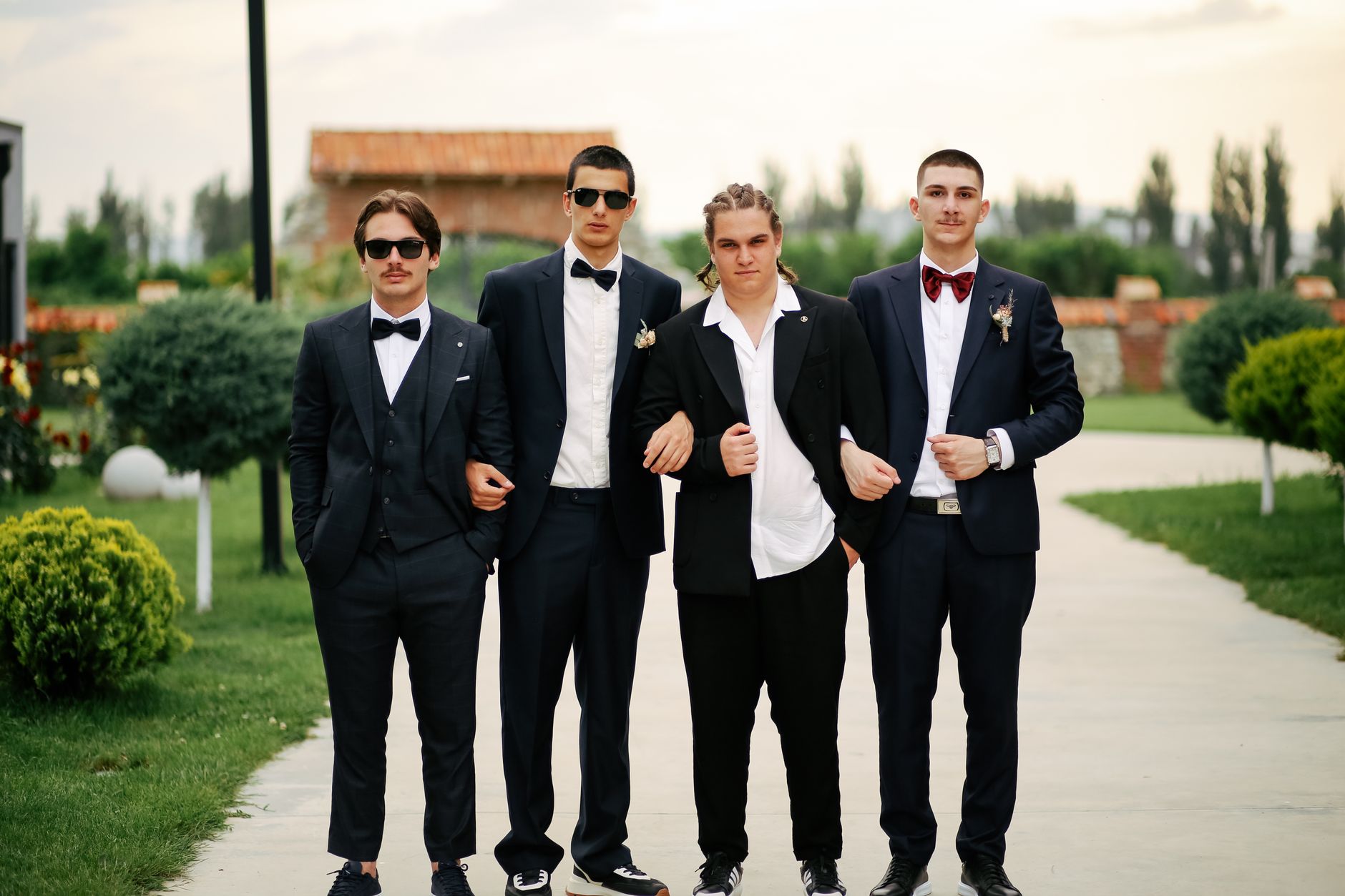
Photo by Photography Maghradze PH on Pexels
The invitation arrives, the date goes in the calendar, and then your eye snags on two small words at the bottom of the card: garden formal. Or festive attire. Or the one that sends everyone into a spiral, black tie optional. This wedding guest dress code guide exists because those phrases are not decoration — they are instructions, and they translate directly into the filters you'll use when you shop: dress length, silhouette, fabric, sleeve, color.
Here's the short answer before the detail. Dress codes mostly tell you three things: how long the dress should be, how shiny the fabric is allowed to be, and how much skin is expected to be covered. Black tie means floor-length and a fabric with sheen. Cocktail means knee-to-midi and structure. Semi-formal means midi in a matte or lightly textured fabric. Beach or garden means midi or maxi in something that moves. Everything else is nuance — and that nuance is where the rest of this article earns its keep.
What does each wedding dress code actually mean?
Think of dress codes as a sliding scale of formality rather than a list of rules. Each one lands in a predictable place on three axes: length, fabric weight and sheen, and coverage.
Black tie
Floor-length gown. Full stop, in most cases. Look for words on the product page like maxi, gown, column, A-line or mermaid. Fabrics that read as black tie: satin, crepe-back satin, velvet (fall and winter), silky charmeuse, heavy chiffon with a lining, and anything beaded or sequined. A very elevated midi in a formal fabric can work if it has a serious shoe and jewelry behind it, but if you want to be safely correct, go to the floor.
Black tie optional / formal
This is the host saying, "we would love a gown, but we won't blink at a dressy midi." Floor-length is never wrong here. A tea-length or midi dress in satin, taffeta or lace reads perfectly. Avoid cotton, linen and jersey — they're the fabrics that drop a dress a full formality level no matter how good the cut is.
Cocktail
The most common dress code on American invitations, and the one with the most range. Knee-length to midi, with structure: a fit-and-flare, a sheath, a wrap dress with a defined waist, a 1950s-style full skirt. Fabrics that work: crepe, mikado, taffeta, lace over lining, textured jacquard, light satin. Mini dresses are a gray area — a heavily embellished mini can read cocktail at an evening city wedding and read underdressed at a church ceremony. Age of the crowd and venue tell you which.
Semi-formal / dressy casual
Midi length is the sweet spot. Think a printed midi with a sleeve, a crepe wrap dress, a belted shirtdress in a dressy fabric. Lower the sheen: matte crepe, textured cotton-blend sateen, ponte. Flats or a block heel are entirely fine, which is a genuine quality-of-life win.
Beach formal / destination
Maxi or midi in something fluid — chiffon, georgette, soft viscose, cotton voile with a lining. Color opens up: corals, sea glass blues, soft prints. Structured bodices and heavy linings will cook you. Look for a lining in the same lightweight fabric as the shell, not a polyester slip that traps heat, and favor a strap you can wear with a bra you already own.
Garden party / garden formal
Florals, midi length, a fabric with a bit of body so wind doesn't become your whole afternoon. A fit-and-flare or tea-length silhouette with a petticoat-friendly skirt is the classic here, and it's a genuinely flattering shape on most bodies. Block heels or wedges — stilettos and lawns do not get along.
Festive attire
Nearly always a December or holiday-season wedding. Treat it as cocktail with permission to sparkle: sequins, metallics, velvet, deep jewel tones, a bit of shine. It is not a license for a costume, just a nudge away from beige.
No dress code listed
Default to cocktail and read the signals. A 6:30 p.m. ceremony at a hotel ballroom is dressier than a 2 p.m. ceremony at a vineyard. A heavy letterpress invitation with an inner envelope suggests formality; a hand-illustrated card on recycled stock suggests the opposite. The venue's own website photos are the most reliable tell of all.
How do I pick the right silhouette for me and the venue?
Dress code sets the boundary. Silhouette is where you get to choose. A few pairings that consistently work:
- A-line or fit-and-flare — the most forgiving across body types and the easiest to sit, dance and eat dinner in. Works for cocktail, semi-formal, garden and, in a floor-length version, formal.
- Column / sheath — long and lean, reads very black tie, but check the walking room. If there's no slit or kick pleat, you'll be taking small steps all night.
- Wrap or faux-wrap — adjustable at the waist, which matters if the wedding is four months out and you'd like one less thing to worry about. Check whether it's a true wrap (may gap) or a faux wrap with a hidden closure (won't).
- Empire waist — good for long ceremonies and warm venues, and a smart pick if you want the fabric to skim rather than cling.
- Tea-length with a full skirt — the vintage-leaning option. Lands beautifully at garden, cocktail and afternoon weddings, and photographs well in motion.
Then match the shoe to the ground, not the dress. Grass, gravel, cobblestone, boat deck and sand all argue for a block heel, a wedge or an elegant flat. If you want height on a lawn, look for a heel with a base wider than a quarter.
Which fabrics should I filter for by season and venue?
Fabric is the single most underrated field on a product page, and it's usually listed right under the size chart. Quick field notes:
- Satin / charmeuse — high sheen, formal, shows every line underneath. Great for evening; unforgiving in full sun.
- Crepe — matte, slight texture, holds shape, resists wrinkles. The most travel-friendly formal fabric there is.
- Chiffon / georgette — airy and floaty, needs a lining, ideal for beach and summer.
- Velvet — fall and winter only, and warm. Beautiful under evening light.
- Lace — formality depends on the lining underneath; a nude lining reads dressier than a matching one.
- Taffeta / mikado — structured, holds a full skirt, slightly crisp. Classic for tea-length and ball-skirt shapes.
- Linen / cotton blends — lovely and breathable, but they wrinkle and they read casual. Save for daytime semi-formal.
Seasonally: late spring and summer want breathable and lined; fall and winter want weight, sleeves and richer color. An outdoor October ceremony in a sleeveless chiffon dress is a long evening — plan a wrap, a tailored blazer or a dress with a real sleeve from the start, rather than hoping for a mild night.
What colors should a wedding guest avoid?
White is out, obviously — and so are ivory, cream, champagne and blush-that-photographs-white. The flash test is real: a pale pink dress can wash out to near-white in photos. If you love a light shade, choose one with a visible print or enough saturation to survive a camera flash.
Beyond that: skip anything that matches the stated bridesmaid color if you know it, avoid full sequins at a morning church ceremony, and give red a second thought only if you know the couple's cultural context — in some traditions it's reserved, in others it's celebratory. Black is widely accepted at evening weddings in the US and is almost always a safe choice after 5 p.m.
Where should I shop for a wedding guest dress?
Two very different shopping approaches serve this category well, and which one you pick depends on whether you want current-season or classic.
If you're after a vintage-leaning silhouette — tea-length skirts, lace bodices, 1950s-style fit-and-flare shapes that suit garden, cocktail and semi-formal invitations — browse ZAPAKA's wedding-guest and cocktail dress range. The styling leans classic rather than trend-led, which is useful when the photos will be on someone's wall for thirty years. Check the fabric listing and the measurement chart rather than the size letter; structured vintage shapes are cut closer at the waist than modern knit dresses.
If the wedding is next month and you want whatever's current — minis and midis in the season's colors, slip shapes, modern satin — Princess Polly's fast-moving dress selection restocks constantly and ships quickly, with returns that don't require a negotiation. Worth a look when you need options in hand to try at home.
Whichever way you go, order early enough to allow one round of returns, and budget a little for a tailor. A hem taken up an inch and a strap shortened is the difference between a dress that fits and a dress that fits you.
Common questions
Can you wear a short dress to a black tie wedding?
Generally no — black tie calls for floor-length. The one workable exception is a very elevated midi or tea-length dress in a formal fabric like satin, velvet or heavy beading, paired with dressy shoes and jewelry. If the invitation says "black tie" without "optional," floor-length is the safe and expected choice for guests.
What does cocktail attire mean for a woman at a wedding?
Cocktail attire means a knee-length to midi dress with some structure — a fit-and-flare, sheath or wrap in crepe, lace, taffeta or light satin. A jumpsuit or dressy separates also qualify. Heels or an elegant block heel finish it. Skip full-length gowns, casual cottons and anything white, ivory or champagne.
Is it okay to wear black to a wedding?
Yes, in most US weddings, particularly evening and formal ones. Black is widely considered a sophisticated guest choice after 5 p.m. For a morning or outdoor daytime wedding, a color or print often feels more in keeping. Add texture, a metallic shoe or jewelry so the look reads celebratory rather than severe.
Still deciding? Browse both dress ranges above with your invitation's exact wording next to you — once you know the length, the fabric and the sheen you're after, the filters do most of the work, and the flock here is always happy when a dress arrives early enough to try on twice.