Wedding Guest Dress Code Decoder: What the Invite Means
A wedding guest dress code decoder that turns black tie, cocktail, semi-formal and garden party into the exact length, silhouette and fabric to shop for.
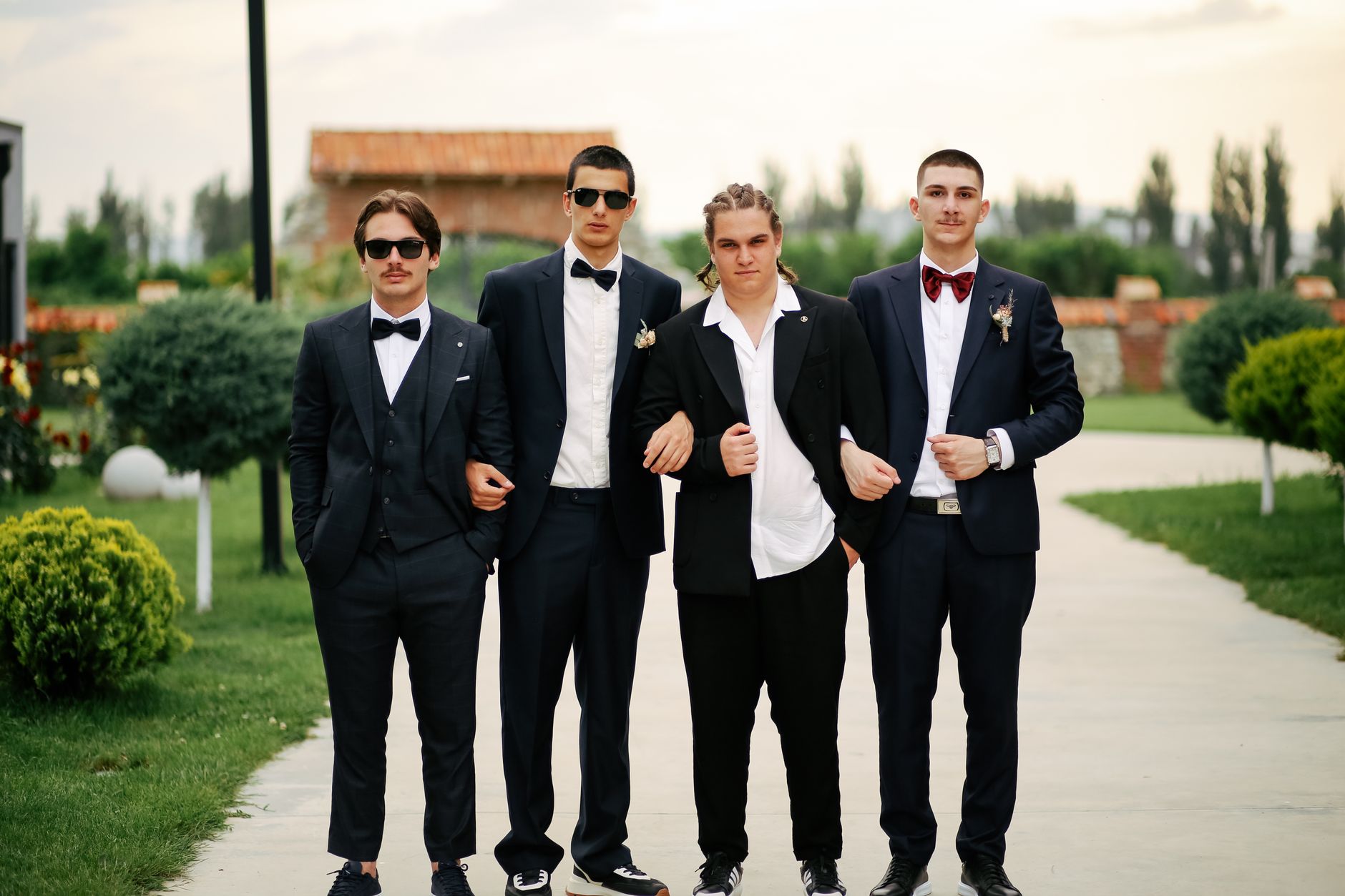
Photo by Photography Maghradze PH on Pexels
The invitation arrives, the save-the-date magnet goes on the fridge, and then you hit the bottom line: "Garden Formal." Two words, zero instructions. What follows is a wedding guest dress code decoder that translates the phrase on the card into the three things you can actually filter for when you shop: length, silhouette and fabric.
The short version, before the depth. Black tie means floor-length, in something with weight or shine. Black tie optional and formal mean floor-length or a dressy midi. Cocktail means midi or just-above-the-knee in a structured or satin fabric. Semi-formal is the same shape in a lighter, less shiny material. Dressy casual, garden party and beach formal all mean midi, breathable fabric, and a heel you can walk on. Everything else is detail — and the detail is where people get it wrong.
How do you read a wedding guest dress code on the invitation?
Dress codes are a signal about the venue and the hour, not a test of your fashion vocabulary. A couple writing "black tie" usually has a ballroom, a band and an 7 p.m. start. A couple writing "garden party attire" has a lawn, folding chairs and sunshine. If you reverse-engineer the setting from the words, the right dress almost picks itself.
Three questions answer most of it:
- What time does it start? Before 4 p.m. leans lighter in color and fabric. After 6 p.m. allows darker tones, deeper shine and more coverage of the leg.
- Indoors or outdoors? Grass and sand kill stilettos and long trains. Ballrooms welcome both.
- What's the season? Chiffon in February is a long cold night. Velvet in July is a long hot one.
Field note from years of watching this play out: when a dress code is vague, it is almost always safer to be slightly more formal than slightly less. Nobody has ever felt self-conscious in a beautiful midi at a backyard wedding. Plenty of people have felt exposed in a sundress at a hotel ballroom.
What does black tie mean for a wedding guest dress?
Black tie is the one code that leaves the least room for interpretation. Floor-length gown, full stop — the hem should graze the top of your shoe, not pool a foot behind you unless there's a train by design.
Length and silhouette
Look for "maxi" or "gown" in the product title and a listed length of roughly 55 to 62 inches from shoulder to hem on a standard size. Columns, A-lines and fit-and-flare all read correctly. Slip dresses work if the fabric is substantial — a thin jersey slip reads more like loungewear than evening wear under reception lighting.
Fabric
Fabric does more work than cut here. Satin, crepe, velvet, taffeta, heavy chiffon with a lining, and anything beaded or sequined all read formal. Cotton, linen, denim and unlined knits do not, no matter how long the hem is. On the product page, scan the material breakdown: polyester satin and polyester crepe are completely standard at this level and photograph beautifully.
Black tie optional, formal and "black tie creative"
"Optional" means the couple would love gowns but won't blink at an elegant midi. "Formal" is effectively the same bar. "Black tie creative" or "black tie with a twist" is an invitation to use color, print or an unusual neckline — still floor-length, just less ballroom-beige. A jumpsuit with a wide, fluid leg in a dressy fabric belongs in this category, and it's a genuinely useful option if you hate managing a skirt on a dance floor.
Cocktail versus semi-formal: which length do you need?
These two get used interchangeably on invitations, which is unhelpful, because the shopping targets are slightly different.
Cocktail is the most common wedding dress code in the country and the easiest to nail. The target is a midi — anywhere from just below the knee to mid-calf — or a knee-length dress with structure. Fabrics with presence: satin, crepe, jacquard, lace over lining, taffeta with a bit of body. A tea-length dress with a defined waist and a full skirt is a classic read here, and it's where vintage-leaning silhouettes earn their keep. 1950s-inspired midi and tea-length dresses with fitted bodices and swing skirts are built precisely for this slot, and the lace and satin options cover the cocktail bar without tipping into gown territory.
Semi-formal sits one notch down. Same lengths, softer fabrics, less shine. A crepe midi, a lace sheath, a pleated chiffon with a lining. Think "nice restaurant on a big occasion" rather than "awards show." The practical difference on a product page: semi-formal tolerates a matte finish and a simpler neckline, where cocktail rewards a little drama.
A note on knee-length: the fashion cycle has moved firmly toward midis, and a short dress can look dated at an evening wedding unless the fabric is doing something interesting. If you want something above the knee, let the cut be sharp — a structured mini with a defined shoulder reads intentional, where a soft flowy mini reads like a brunch dress.
What should you wear to a garden party, beach or dressy casual wedding?
These are the outdoor codes, and they are all really about two things: fabric that breathes and a shoe that doesn't sink.
Garden party attire
Midi length, floral or solid, in chiffon, crepe or a lightweight woven. Flutter sleeves, tiered skirts and wrap fronts all live here comfortably. Avoid heavy satin — it holds heat and shows every bit of humidity. A full skirt is lovely on a lawn but think about wind; a lined dress or a slightly heavier hem saves you from holding your skirt down during the vows.
Beach formal
Flowing maxi in chiffon, georgette or a light crepe. Lighter colors, softer structure, nothing stiff. Skip anything with a boned bodice or a heavy lining. Block heels, wedges or dressy flat sandals — stilettos and sand are a losing combination, and so are stilettos and lawn aerating holes.
Dressy casual and "festive attire"
Dressy casual is the loosest code, and the floor is still higher than most people assume: a midi dress or a skirt-and-top combination in a fabric nicer than everyday cotton. "Festive attire" usually means a holiday-season wedding and is an open door for velvet, metallic, jewel tones and sequins at midi or maxi length. For trend-driven silhouettes that suit the younger, less formal end of this spectrum, fresh wedding-guest styles dropping regularly cover the satin slips, structured minis and mesh-sleeve midis that read current without being costume.
What colors and details should a wedding guest avoid?
The rules here are short, and most of them are about not distracting from the couple.
- White, ivory, cream, champagne and blush-that-photographs-white. The safest test is the flash photo: if it could read white in a group shot, pick something else. A white floral print on a dark base is generally fine; a cream dress with a small print is not.
- The bridal party's color, if you know it. You usually do, from the group chat.
- Head-to-toe sequins at a daytime wedding, unless the invitation specifically says festive or glam.
- Anything you have to manage. Strapless dresses you'll tug at, slits that need policing when you sit, backless styles that rule out a comfortable bra. Eight hours is a long time.
Black is fine at modern weddings in almost every region and at almost every hour — that old rule has largely dissolved. Red is fine too, though at a very traditional or culturally specific wedding it's worth a quick ask. When in doubt, the question "is there a color I should avoid?" costs nothing and the couple will answer in four words.
How do you filter for the right dress online?
Here's the practical part. When you're shopping with a dress code in hand, these are the fields worth reading before you add to cart:
- Listed length in inches, plus the model's height. A "midi" on a 5'10" model is a maxi on a 5'3" shopper. The difference between mid-calf and ankle changes which code the dress satisfies.
- Lining. "Fully lined" is a reliable signal of a dress that will hold its shape and survive outdoor light. Unlined chiffon is a gamble.
- Closure type. A concealed back zipper means the fit was engineered. All-over stretch with no closure usually means the fit is approximate.
- Fabric composition. Polyester satin and crepe are workhorses. Viscose and rayon drape beautifully but wrinkle in a car seat. Linen blends are daytime-only.
- Stretch and pockets, both of which are listed more often now and both of which make a long day easier.
- Return window and whether returns are free. Order two sizes if the budget allows and the policy is friendly — sizing varies enormously between brands, and the one that fits is the one you keep.
Order earlier than feels necessary. Six weeks out gives you room to exchange a size, hem a hem, and find shoes that actually go. Four weeks is workable. The week before is how people end up in something they tolerate rather than love.
Common questions
What does cocktail attire mean for a wedding guest?
Cocktail attire means a midi or knee-length dress in a dressy fabric such as satin, crepe, lace or jacquard, paired with a heel and real jewelry. Floor-length gowns are usually too formal, and casual cottons or linens are too relaxed. Tea-length dresses with a defined waist and a dressy jumpsuit both read correctly under this code.
Can you wear a midi dress to a black tie wedding?
Strictly, black tie calls for floor-length. If the invitation says "black tie optional" or "formal," an elegant midi in satin, velvet or heavily beaded fabric is well within range. For true black tie, a maxi is the safer choice — and if you prefer a midi, elevate it with a substantial fabric, a dramatic neckline and evening accessories.
Is it still rude to wear black to a wedding?
No. Black is widely accepted at modern weddings, including daytime ones, and it's a staple at evening and city celebrations. The colors to avoid are white, ivory, cream and champagne, anything that photographs white under flash, and the bridal party's chosen shade. If the wedding follows a specific cultural tradition, a quick question to the couple settles it.
Dress codes look like gatekeeping and are really just shorthand for "here's what the day will feel like." Decode the phrase, pick the length, match the fabric to the season, and the rest is shoes. If you want somewhere to start browsing, the apparel shops in our flock cover both ends of this spectrum — vintage-leaning tea-length and lace on one side, current-season satin and structure on the other.