Wedding Guest Dress Code Decoded: What the Invite Means
A wedding guest dress code guide that turns "black tie optional" and "cocktail" into the exact length, silhouette and fabric filters to shop by.
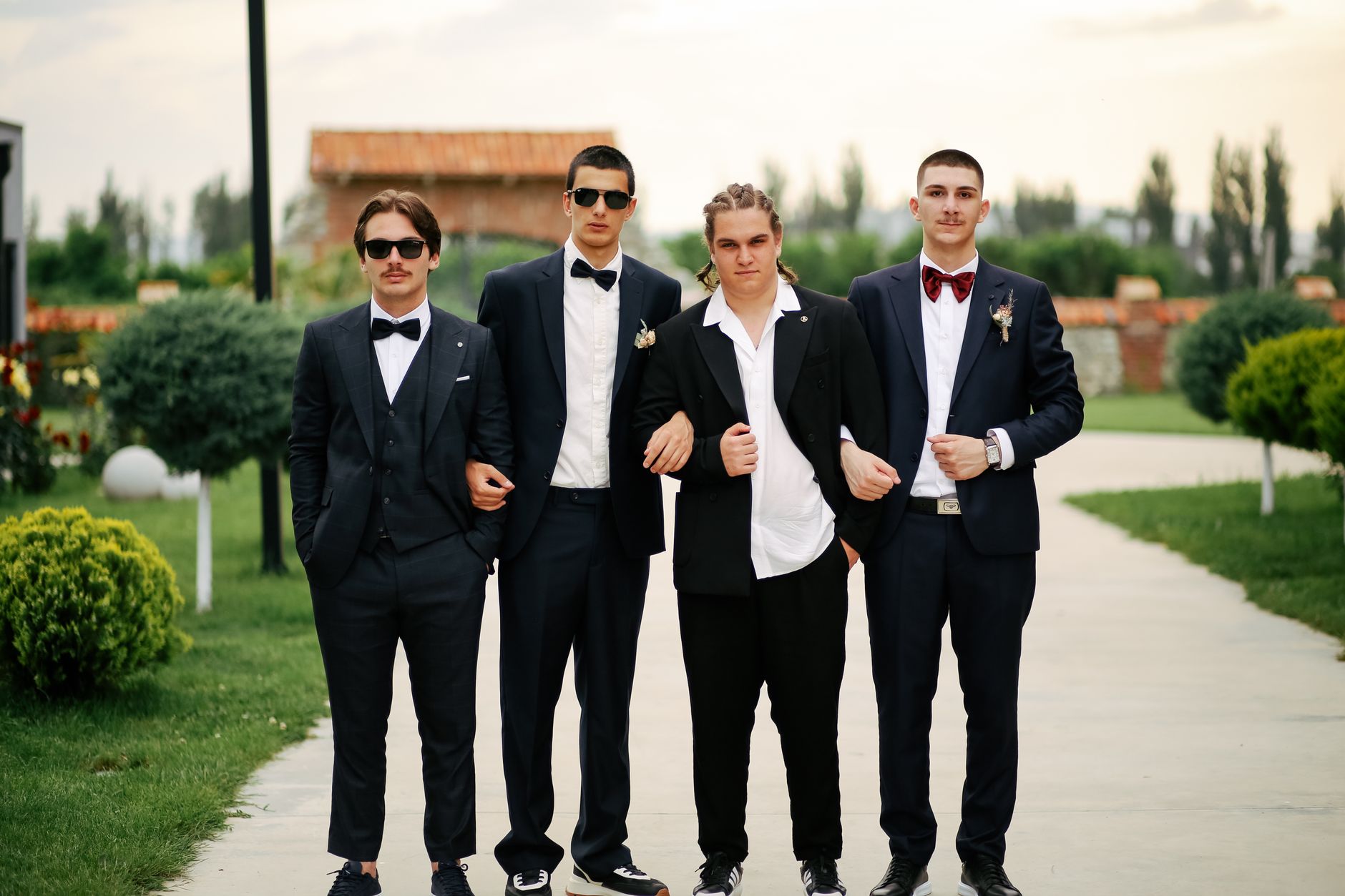
Photo by Photography Maghradze PH on Pexels
The invitation arrives, the save-the-date goes on the fridge, and then you hit the small italic line at the bottom: garden formal. Or festive cocktail. Or, most maddening of all, dressy casual. Decoding a wedding guest dress code is really just a translation job — turning a vague phrase into three concrete things you can filter for on a product page: length, silhouette and fabric. Get those three right and you will be correctly dressed, even if your dress cost a fraction of what the person next to you spent.
Here is the short answer before the detail. Black tie means floor-length, in a fabric with weight or shine. Black tie optional and formal mean floor-length or a dressy midi. Cocktail means midi or knee-length in satin, crepe or lace. Semi-formal and dressy casual mean midi in a softer fabric. Beach, garden and "festive" are less about length and more about fabric weight, color and what your shoes will do to the ground beneath you. Everything below is the expanded version, plus the mistakes that are easy to avoid once somebody names them.
What does each wedding guest dress code actually require?
Dress codes are shorthand for formality level, and formality is communicated almost entirely through hem length and fabric. Color matters too, but it is a smaller lever than most people think — a well-cut floor-length dress in a quiet color reads formal in nearly any room.
Black tie
Floor-length. That is the rule and it is not very flexible. Look for product pages that say gown, maxi or list a length over about 55 inches at center back. Fabrics to filter for: satin, duchesse satin, velvet, heavy crepe, beaded or sequined mesh. Silhouettes that hold up: column, A-line, fit-and-flare, or a classic 1950s-style full skirt if the venue has the ballroom to support it. Skip anything that photographs as a sundress — jersey, light cotton, loose linen, or a casual knit.
A long jumpsuit in a formal fabric is generally accepted at black tie now, but it needs to be unmistakably evening: wide leg, fluid drape, no visible hardware.
Black tie optional
The couple is saying "we would love a gown, but we are not going to be weird about it." A floor-length dress is always safe. A sophisticated midi in satin, velvet or heavy lace also works, especially with a heel and a real evening bag. The telltale difference between formal midi and cocktail midi is fabric weight — a stiff crepe midi reads formal, a chiffon flutter-sleeve midi reads garden party.
Formal / black tie creative
Formal is essentially black tie optional under a different name, with slightly more room for interesting necklines, capes and a bolder color. "Black tie creative" is an invitation to play: a dramatic sleeve, an unusual color pairing, a textured fabric. Keep the length long and the structure sharp, and you can take the risk somewhere interesting.
Cocktail
The most common wedding dress code and the one with the most forgiving range. Target knee-length to midi — roughly 38 to 48 inches total length on most listings. Satin slip midis, lace sheath dresses, fit-and-flare in crepe, and belted tea-length styles all land correctly. Avoid floor-length here unless the dress is unmistakably light and the venue is grand; a full gown at a cocktail wedding tends to read as having missed the memo.
Semi-formal and dressy casual
The line between these two is thin. Both want a midi in a soft fabric — chiffon, georgette, printed crepe, textured cotton blends with a bit of body. Semi-formal leans a little more polished (a slip dress with a strappy heel). Dressy casual tolerates a block heel, a wrap dress, a print, and a flat sandal if the ceremony is outdoors. Neither wants denim, graphic anything, or a dress you have worn to the office without changing a single thing.
Beach, garden and tropical formal
These codes are written to protect the guests from themselves. Grass and sand destroy a stiletto, and heavy satin in July is a long afternoon. Filter for chiffon, crinkle fabrics, lightweight lace and linen blends, in midi or maxi length. Garden weddings favor a flowing A-line or a tiered skirt; beach weddings favor a maxi that moves in the wind and a block heel, wedge or dressy flat. Tropical formal is the dressier cousin: same light fabrics, bolder color, a slightly more structured silhouette.
Festive and "cocktail with a twist"
Usually a holiday-season wedding. Festive means cocktail length plus something that catches light — sequins, metallic thread, velvet, jewel-tone satin. It is the one code where sparkle is expected rather than tolerated.
How do you filter for the right dress without trying on ten?
Online shopping for formalwear works when you shop by measurement instead of by vibe. A few things to check on every product page, in order:
- Total length in inches, usually listed for a size S or M. If only one number is given, it is almost always shoulder-to-hem. Compare it against a dress you already own and like.
- Fabric composition. Polyester satin is shiny and cool-toned; crepe and crepe-back satin are matte and more forgiving over the midsection. Viscose and rayon drape beautifully and wrinkle in a car seat. Lined mesh with beading is heavy — plan for it.
- Lining and opacity. "Fully lined" matters for flash photography. Unlined chiffon and light-colored jersey will betray you under a camera flash.
- Stretch. A dress with no elastane needs the size to be right; 3–5% elastane gives you an hour of dinner grace.
- Closure. A back zipper you cannot reach is a real problem at a hotel at 4pm. Look for side zips, corset backs with a hidden zip, or pull-on styles.
- Straps and support. Strapless looks clean and needs constant management. Adjustable straps or a wider set-in strap means you can dance without thinking about it.
- The return window, and whether it starts at delivery or at purchase. Order at least three weeks out so you have time to exchange a size.
One field note from the flock: order two sizes when the brand's chart is unfamiliar, keep the one that fits, send the other back inside the window. It is cheaper than a last-minute rescue purchase and far less stressful.
Where should you shop for each dress code?
Different codes pull toward different kinds of stores, which is useful to know before you open twelve tabs.
For black tie, formal and the dressier end of cocktail, vintage-leaning specialists tend to serve you better than fast-moving trend retailers, because the structure is built in. ZAPAKA's 1950s-inspired gowns, lace and wedding-guest styles are a good hunting ground when the invitation says floor-length or tea-length: you will find defined waists, full skirts, satin and lace, and the kind of silhouettes that photograph well in a ballroom. Their cocktail section covers the midi end of the spectrum too, so a single store can handle two codes.
For cocktail, semi-formal, dressy casual and the summer garden and beach codes, the trend-forward side of the market is where the slip midis, linen-blend maxis and current-season prints live. Princess Polly's daily drops of new styles are worth a browse when you want something of-the-moment rather than timeless — satin midis, structured minis for a cocktail code with a young crowd, and plenty of breezy options for an outdoor ceremony. Fast delivery and straightforward returns matter more than usual when you are size-gambling on formalwear.
What are the rules nobody writes on the invitation?
Dress codes cover formality. These cover everything else.
- White, ivory, cream, champagne and blush are off the table unless the couple has explicitly invited them. A white floral print on a dark ground is usually fine; a predominantly white dress is not.
- Check for a cultural dress note. Some weddings ask guests to avoid red, black, or to wear a specific color. The invitation or wedding website will say so — read the whole site, not just the dress code line.
- Dress for the ceremony's venue, not the reception's. Many houses of worship ask for covered shoulders. A shawl, bolero or structured jacket solves it and comes off for dinner.
- Check the forecast and the ground. Outdoor ceremony on grass plus a stiletto equals aeration duty. Block heels, wedges and dressy flats exist for this.
- Weigh the dress against the day. An eight-hour event in heavy beading is a commitment. If you love it anyway, bring flats for the dancing portion.
- When the code is missing entirely, default to cocktail. It is almost never wrong, and it is easy to dress up with jewelry or down with a lighter shoe.
Common questions
What does cocktail attire mean for a wedding guest?
Cocktail attire means a knee-length or midi dress, roughly 38 to 48 inches long, in a dressy fabric like satin, crepe or lace. A fit-and-flare, slip midi or sheath all work. Pair it with a heel and a small bag. Floor-length gowns usually read as too formal for a cocktail wedding, and casual fabrics like jersey or cotton read as too relaxed.
Can you wear a midi dress to a black tie optional wedding?
Yes, as long as the fabric carries the formality. A midi in heavy crepe, satin or velvet with a real heel and an evening bag is appropriate at black tie optional. A chiffon or printed midi will read as a garden-party dress instead. If you want zero risk, a floor-length gown is always the safe choice under that code.
What should you wear to a beach or garden wedding?
Choose lightweight fabrics — chiffon, crinkle textures, lightweight lace or linen blends — in midi or maxi length, with a flowing A-line or tiered skirt. Skip heavy satin and thick beading in hot weather. For footwear, a block heel, wedge or dressy flat keeps you upright on sand and grass. A light wrap handles an evening temperature drop near the water.
However the invitation is worded, the decision comes down to length, silhouette and fabric — and once you know which three to filter for, the shopping part gets quick. Both of our apparel stores are worth a slow scroll when you have the invite in front of you.