Wedding Guest Dress Code Decoded: What the Invite Means
Black tie optional? Garden party? Here's how to read a wedding guest dress code and turn it into the exact length, silhouette and fabric to shop for.
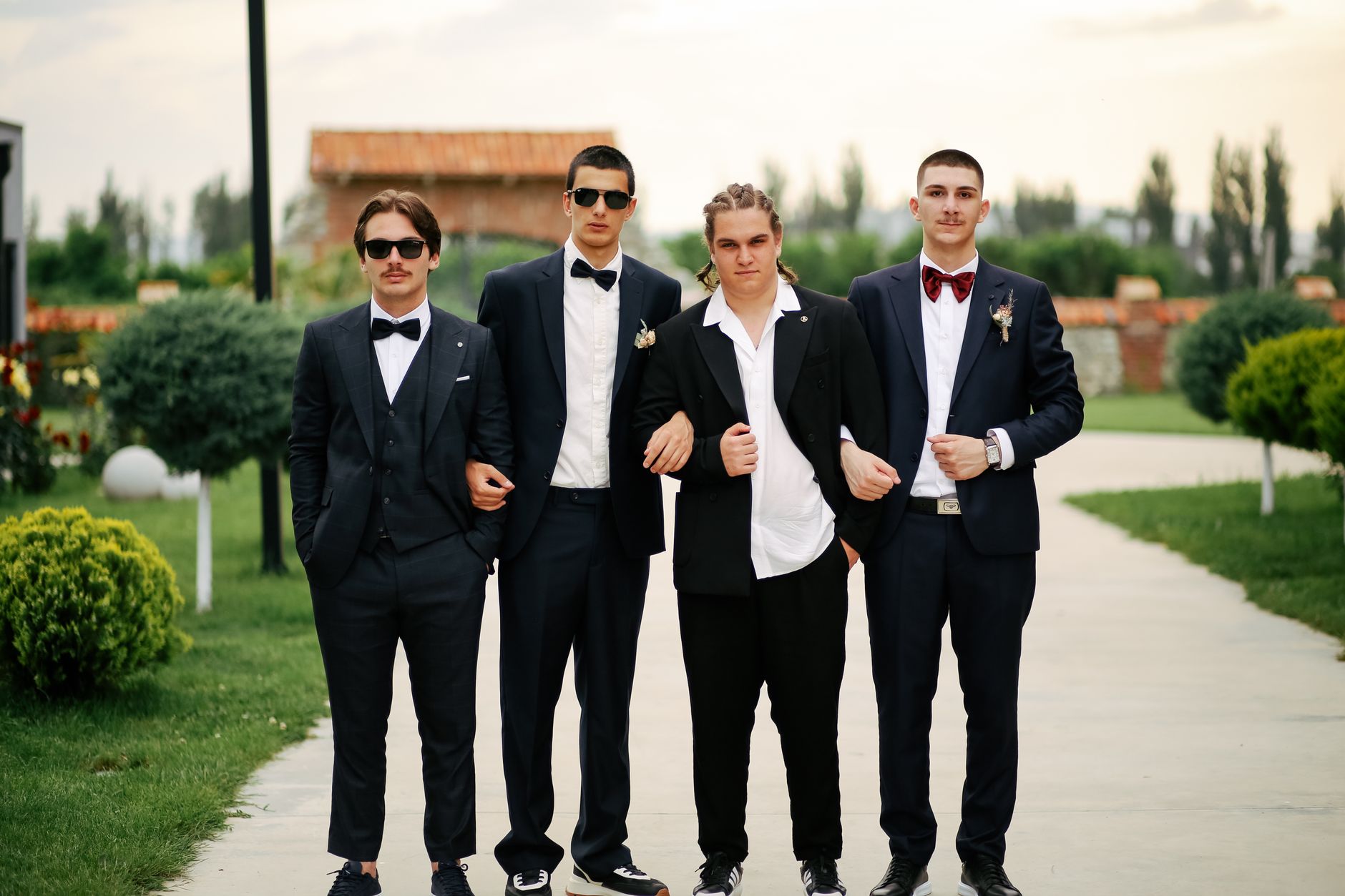
Photo by Photography Maghradze PH on Pexels
The invitation arrives, the save-the-date magnet is already on the fridge, and then you hit the small italic line at the bottom: cocktail attire. Or garden formal. Or the one that makes everyone text the group chat at once, black tie optional. Decoding a wedding guest dress code sounds like etiquette trivia, but it's really a shopping problem: those two words tell you a hem length, a fabric weight and a neckline, and once you translate them you can filter a store page down to a handful of real contenders in about ten minutes.
Here's the short version. Black tie means floor-length, in a fabric with weight or shine. Black tie optional and formal mean floor-length or a dressy midi, in satin, crepe or velvet. Cocktail means knee-length to midi, structured enough to stand on its own. Semi-formal or dressy casual means midi, softer fabric, simpler shape. Garden party and beach formal mean midi or maxi in something that moves — chiffon, cotton voile, light crepe — and a heel you can walk on grass or sand in. Everything below is the why, plus the details that keep a dress from looking almost-right.
What does each wedding guest dress code actually mean?
Dress codes are shorthand for formality, and formality in clothing comes down to three levers: length, structure and surface. Longer is dressier. More structure — boning, a defined waist, a fabric that holds a shape — is dressier. And a surface that catches light, like satin, sequins or velvet, reads dressier than a matte cotton. Pull one lever up and you can ease off another. That's how a knee-length velvet dress and a floor-length chiffon one can both land at the same level.
Black tie
Floor-length gown, full stop, unless the couple has said otherwise. Look for duchess satin, crepe, velvet, heavy georgette or anything beaded. Silhouettes that work: column, A-line, fit-and-flare with a sweep, or a bias-cut slip in a fabric substantial enough not to cling. Avoid jersey that reads like loungewear and avoid a high-low hem — it fights the formality. A wrap or a long coat matters here too, because black tie weddings tend to run late into a cold evening.
Black tie optional / formal
The most common code and the most negotiable. A floor-length dress is always safe. A midi in satin, crepe or velvet with a strong neckline — square, halter, one-shoulder — is equally correct and often more comfortable. A dressy jumpsuit with a wide leg counts. Skip anything with a visible casual detail: a drawstring, a jersey tee neckline, a chunky knit.
Cocktail attire
Knee-length to midi, and this is where silhouette does the heavy lifting. A fit-and-flare with a nipped waist, a sheath, a structured A-line, a 1950s-style tea dress — all firmly cocktail. Fabrics: taffeta, mikado, brocade, textured crepe, lace over lining. Midi is the modern default and photographs better than a true knee-length on most people, so if you're torn, go longer.
Semi-formal and dressy casual
Softer and simpler. Midi length, a fabric with drape rather than structure, less shine. A floral midi with a defined waist, a slip dress with a light cardigan or blazer, a wrap dress in crepe. This is the code where a dress you could wear to a nice dinner is genuinely appropriate — just add a real shoe and a real earring.
Garden party, beach formal and destination
Think about the ground before you think about the dress. Grass and sand eat stiletto heels, so block heels, wedges and dressy flats are the practical pick. Fabric should move: chiffon, voile, light crepe, cotton sateen. Color runs lighter and prints are welcome. Avoid heavy satin in full sun — it shows every crease and traps heat — and avoid a strapless bodice if there's any wind in the forecast.
Festive, black tie creative and "wear what makes you happy"
These are invitations to show up with some personality, not permission to dress down. Keep the formality level of black tie optional and spend your freedom on color, print, texture or an unexpected silhouette. A jewel-tone velvet, a bold floral maxi, a metallic pleat — all good. A sundress is not what they meant.
How do you turn a dress code into filters you can shop with?
Most store pages let you filter by length, neckline, sleeve, color and occasion. Here's the translation table, written the way filter menus are usually labeled:
- Black tie → Length: Maxi/Floor. Fabric: satin, velvet, sequin, crepe. Occasion: formal/gown.
- Black tie optional → Length: Maxi or Midi. Fabric: satin, crepe, velvet. Sleeve: anything, including strapless with a wrap.
- Cocktail → Length: Midi (or Mini if you're confident and the shape is structured). Fabric: taffeta, lace, brocade, textured crepe.
- Semi-formal → Length: Midi. Fabric: chiffon, crepe, printed georgette. Silhouette: wrap, A-line, slip.
- Garden/beach → Length: Midi or Maxi. Fabric: chiffon, cotton, voile. Sleeve: flutter, puff, short.
Two field notes from the way these dresses are actually listed. First, "midi" is wildly inconsistent — on one site it hits mid-calf, on another it's an inch below the knee. Always check the model's height and the stated garment length in inches in the product description, not the category label. Second, "satin" on a tag can mean a weave, not a fiber, so polyester satin and silk satin sit in the same filter. Polyester satin is more wrinkle-resistant and cheaper to clean; silk breathes better in heat. Neither is wrong, but they drape differently, and the product photos will usually tell you which you're looking at by how sharply the fabric creases.
If vintage-leaning silhouettes are your thing — tea-length A-lines, fitted bodices with full skirts, lace overlays, the kind of shapes that read cocktail without any guesswork — ZAPAKA's 1950s-inspired wedding-guest dresses are built around exactly that family of shapes, and they're organized by occasion, which saves a round of filtering. For something more current — slip midis, structured minis, the modern cocktail end of the spectrum — Princess Polly's rotating drops are where the flock tends to land, with easy returns if the length gamble doesn't pay off.
What are the color rules, and which ones still hold?
White is still out. So is ivory, cream, champagne, blush-that-photographs-as-white, and anything described as "oyster." This is the one rule that hasn't loosened, and the camera is less forgiving than your mirror — a pale blush dress under a bright flash can read white in the group shot.
Black is fine almost everywhere now, especially for evening and especially for cocktail and black tie. Daytime garden weddings are where black can feel heavy; a deep green, navy or burgundy gets you the same slimming effect without the funeral read.
Red used to carry a "don't upstage" warning. In practice it's common and uncontroversial at evening weddings. The only genuine color caution left: if the invitation or the couple's website names a palette, don't match the bridesmaids exactly. Standing in the wrong line in photos is a small but real annoyance.
Season and venue adjust everything
A barn in October and a rooftop in July have the same dress code and completely different right answers. Cold-weather weddings favor long sleeves, velvet, heavier crepe and a coat that isn't your winter parka. Hot-weather and outdoor weddings favor lined-but-breathable fabrics, a sleeve with some air in it, and a hem that clears the ground. Check whether the ceremony is outdoors and the reception indoors — that combination is the one that catches people out, and a wrap or a light blazer solves it.
What should you check before you hit buy?
- Lining. Unlined chiffon and lace will be sheer in direct sun. The product page should say "fully lined."
- Bra situation. Look for "built-in cups" or "boning" if the dress is strapless or deep-backed. If it's not stated, assume it isn't there.
- Closure. A back zipper you can't reach alone is fine if you have help, inconvenient if you're getting ready solo in a hotel.
- Stated length in inches plus the model's height. This is the single most useful line on any dress listing.
- Care label. "Dry clean only" on a dress you'll wear once is fine; on a dress you want in rotation, less so.
- Return window. Order two sizes if the window is generous and the wedding is more than three weeks out.
- Pockets. Not a requirement. But if a listing mentions them, and everything else is equal, you already know which one you're buying.
One last ordering tip: build the outfit around the shoe you can actually stand in for five hours, then hem to that shoe. A gown that's an inch too long on a dance floor is the fastest way to end the night barefoot.
When you're ready to browse, both of our apparel stores sort by occasion, so you can start from "cocktail" or "formal" rather than scrolling an entire catalog. Take the invitation with you — that italic line at the bottom does more work than it looks like it does.
Common questions
Can you wear a short dress to a black tie wedding?
Traditionally no — black tie means floor-length. If the invitation says black tie optional, a dressy midi in satin, velvet or crepe is appropriate, especially for evening. If it says black tie with no qualifier, go long. A short dress in a very formal fabric can work at a smaller or less traditional wedding, but it's a judgment call rather than a safe default.
What does cocktail attire mean for a wedding guest?
Cocktail attire means a knee-length to midi dress with some structure — a fit-and-flare, sheath, A-line or tea dress — in a fabric like taffeta, lace, brocade or textured crepe. It sits between semi-formal and black tie optional. Midi is the current default and tends to photograph well. Pair it with a heel and a real accessory rather than everyday jewelry.
Is it still rude to wear black to a wedding?
Not anymore, in most of the US. Black is widely accepted for evening weddings and especially for cocktail and black tie dress codes. It can feel heavy at a daytime outdoor or garden wedding, where navy, deep green or burgundy gives a similar effect with a lighter mood. The rule that still firmly holds is avoiding white, ivory, cream and champagne.