Wedding Guest Dress Code Decoded by Invite Wording
A wedding guest dress code guide that turns invite phrases like black tie optional, cocktail and garden formal into the exact length, silhouette and fabric to shop.
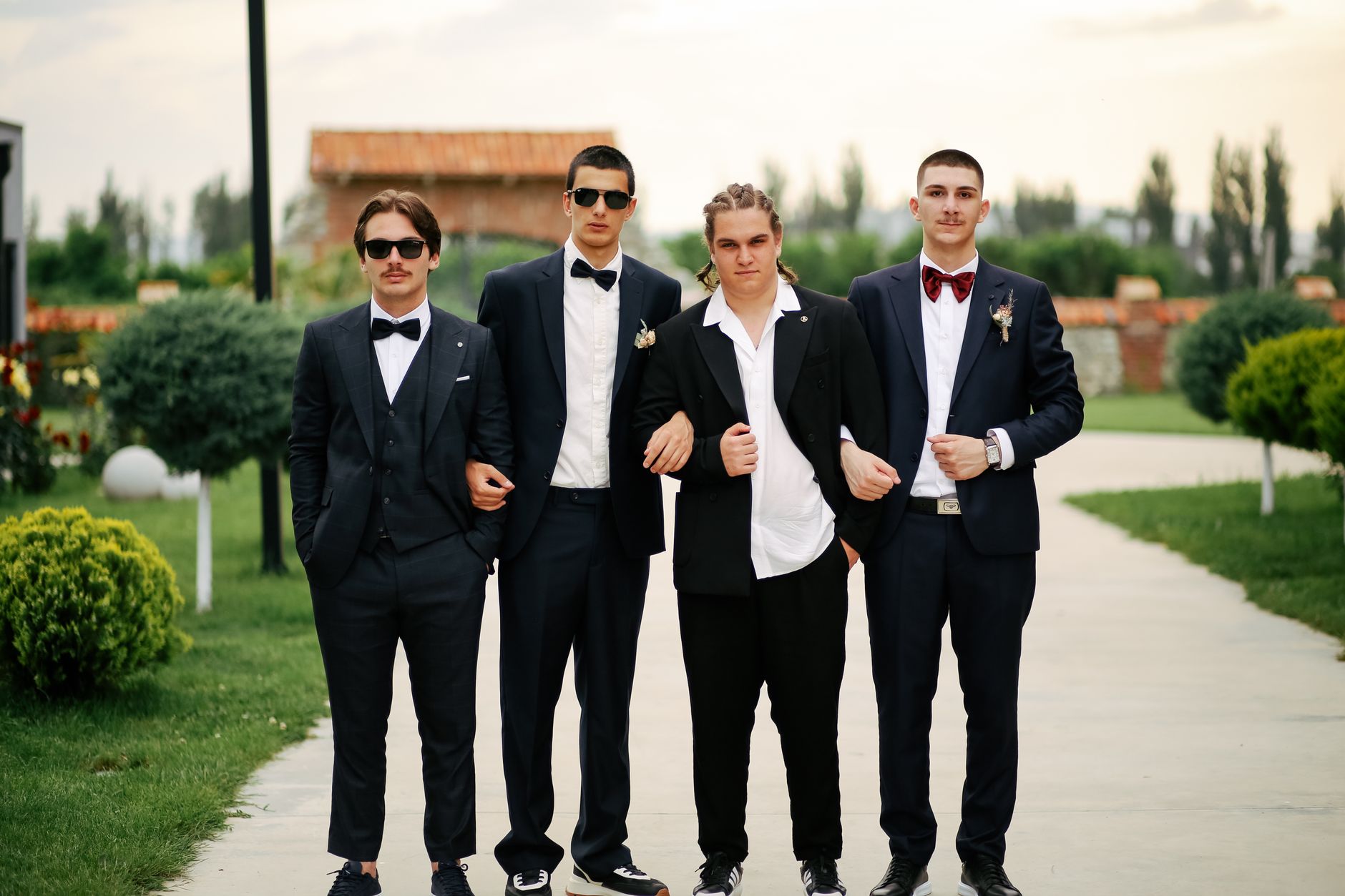
Photo by Photography Maghradze PH on Pexels
The invitation is beautiful. The calligraphy is lovely. And then, in the bottom corner, three small words that send you straight to a group chat: black tie optional. Decoding a wedding guest dress code is less about fashion rules and more about translation — turning a vague phrase into a length, a silhouette and a fabric you can actually filter for on a product page.
Here is the short version. Black tie means floor-length, or a very dressy midi in a formal fabric. Black tie optional and formal mean floor-length or a long midi, both perfectly correct. Cocktail means knee-length to midi, structured or flowing, in something with a little sheen or texture. Semi-formal is cocktail with the volume turned down. Dressy casual, garden party and beach formal all mean a midi in a soft, breathable fabric with shoes you can walk in. Everything below is the detail that keeps you from being the one guest who guessed wrong.
What does each wedding guest dress code actually mean?
Couples rarely write a dress code to be fussy. They write it because they have a mental picture of the room, and they are hoping guests will help fill it in. Read the phrase, then read the rest of the invitation — venue, start time, season — because those three details settle most of the ambiguity the words leave behind.
Black tie
The most literal code on the list. For a dress, that means floor-length: a column, a bias-cut slip, an A-line, or a full ball-gown skirt if the venue has the ceilings for it. Fabrics do the heavy lifting here — satin, crepe, velvet in cold months, heavier chiffon with lining, beaded or sequined mesh. Avoid jersey, cotton poplin and anything that reads like a sundress in a longer length. A very dressy tea-length or midi can work if it is heavily embellished, but floor-length is the safe read.
Black tie optional and formal
This is the code that causes the most second-guessing, and the answer is genuinely relaxing: you can wear either. A floor-length gown is correct. So is a long midi — hitting mid-calf to just above the ankle — in a formal fabric. Think satin with a cowl neck, a crepe column with a slit, velvet in November. The "optional" is aimed mostly at the tuxedo question; for dresses, it just widens the hemline window.
Cocktail
The workhorse code, and the one most wedding guest dresses are built for. Length runs from just above the knee to true midi. Silhouettes are open: fit-and-flare, sheath, A-line, a 1950s-style full skirt with a defined waist, a wrap. Fabric is where you signal "wedding" rather than "office party" — jacquard, taffeta, satin-back crepe, lace over lining, a little shine. Floor-length at a cocktail wedding is not a disaster, but it can feel like you misread the room, especially at a shorter afternoon reception.
Semi-formal and dressy casual
Same shapes as cocktail, calmer fabrics. A knee-length or midi dress in crepe, lightweight jacquard or a good matte satin, in a solid color or a subtle print. This code often shows up for early-evening weddings at restaurants, breweries and smaller venues where a full gown would feel out of scale. Shoes go a little lower, and a blazer or cardigan is welcome rather than apologetic.
Garden party, garden formal and beach formal
These are location codes disguised as dress codes. They are really telling you about the ground you will stand on and the temperature you will stand in. Midi length is the sweet spot: long enough to feel dressed, short enough to stay off wet grass and sand. Fabrics should breathe — chiffon, lightweight crepe, cotton-blend sateen, lined lace. Florals, pastels and bright solids all belong. Block heels, wedges or dressy flats; a stiletto on a lawn is a one-woman aeration service.
Festive, white tie and "wear what you love"
Festive is cocktail plus permission: sequins, metallics, deep jewel tones, velvet. White tie is rare and means full-length, formal fabric, no exceptions — if you are invited to one, the invitation will leave you in no doubt. "Wear what you love" or no code at all is the trickiest, because you have no anchor. Default to cocktail or a dressy midi and use the start time as a tiebreaker: before 4 p.m. leans lighter and shorter, after 6 p.m. leans richer and longer.
How do you translate a dress code into search filters?
This is the part that saves an evening of scrolling. Most dress sites let you filter by length, neckline, sleeve, occasion and color — so convert the phrase on the invite into those boxes before you browse anything.
- Black tie: length = maxi/floor; fabric = satin, velvet, sequin, crepe; occasion = formal or gown.
- Black tie optional / formal: length = maxi and midi; fabric = satin, crepe, velvet, lace.
- Cocktail: length = midi and mini/knee; occasion = cocktail or wedding guest; fabric = jacquard, taffeta, lace, satin.
- Semi-formal: length = midi and knee; fabric = crepe, matte satin, ponte; color = solids.
- Garden or beach: length = midi; fabric = chiffon, cotton blend, lightweight lace; print = floral; sleeve = flutter, short or cap.
Two filters matter more than people expect. Lining is the difference between a dress that photographs beautifully and one that goes semi-sheer in direct sun — look for "fully lined" in the product description, not just in the photos. Stretch decides whether you can sit through a long dinner comfortably; a woven crepe with no give fits very differently from the same shape in a satin with elastane.
If the invite points vintage, romantic or tea-length, that is a specific lane to shop rather than a mood board. 1950s-inspired silhouettes, lace and tea-length wedding-guest styles are exactly the shapes that read "cocktail" and "garden formal" without needing much styling, and they tend to come with the defined waist and full skirt that photograph well in group shots. For codes that lean modern — a satin slip for black tie optional, a structured mini for a festive city reception — a rotating lineup of new arrivals with easy returns is the more useful shelf to browse, especially when you want to order two sizes and send one back.
What should you avoid regardless of the dress code?
Short list, long-standing reasons. These hold whether the invite says white tie or backyard barbecue.
- White, ivory, cream, champagne and blush-that-reads-white. The classic rule, and still the one guests get caught by. If you have to hold it up to a window to decide, pick something else.
- All-over bridal lace in a pale tone, even in a color. Texture can read "bridal" from across a room.
- The bridal party's color, if you know it. A quick text to someone in the wedding party is not awkward — it is appreciated.
- Anything that needs constant management. A strapless bodice you tug at, a slit that needs policing, a train in a venue with no coat check. Weddings are long days.
- Brand-new shoes with no give. Cocktail hour is standing. Dancing is standing. Shuttle buses are standing.
One more field note from the flock: check the ceremony venue's own guidance. Houses of worship sometimes ask for covered shoulders or knee-length hems, and a dress with a matching shawl or a cropped jacket solves that without changing your whole plan.
How do season, time and venue change the answer?
Dress code sets the formality. Season and venue set everything else — and ignoring them is how people end up correctly dressed and thoroughly miserable.
Season. Summer wants chiffon, cotton blends, lightweight crepe and lighter colors; a fully lined satin in August outdoors is a long afternoon. Fall and winter are where velvet, heavier crepe, jacquard and long sleeves earn their keep. Spring sits in between — a lined lace or a midweight crepe covers a cool evening after a warm ceremony.
Time. The old 4 p.m. rule still works as a rough guide. Earlier ceremonies trend lighter in color and fabric; evening ceremonies take darker, richer and longer. If the invite lists a 6:30 p.m. start at a hotel ballroom, dress up rather than down.
Venue. Barn, vineyard and beach weddings almost always involve uneven ground, and the dress code wording will usually hint at it. Ballrooms and historic estates can take a train and a heel. Backyard weddings are the hardest to read — go midi, go breathable, bring a layer.
Logistics. Order early enough to try the dress on, sit down in it, and raise your arms. Check the return window before you buy, especially if you are ordering two sizes. And if a hem needs taking up, a simple shortening is usually quick and inexpensive at a local tailor — worth it for a dress you will wear again.
Common questions
Can you wear a long dress to a cocktail wedding?
Yes, and it is a common choice, but it reads more formal than the code asks for. If you want floor-length at a cocktail wedding, keep it simple: a column or slip shape in a matte fabric rather than a beaded ball gown. A long midi is the safer middle ground and tends to suit shorter afternoon receptions better.
What does black tie optional mean for a woman?
It means both a floor-length gown and a dressy midi are correct, so you can choose by comfort and venue. Lean on fabric to carry the formality — satin, crepe, velvet or something beaded — rather than relying on hem length alone. The word "optional" mostly addresses whether men need a tuxedo; for dresses, it simply widens the acceptable range.
What color should you avoid as a wedding guest?
Skip white, ivory, cream, champagne and very pale blush, since all of them can read as bridal in photographs. If you know the bridal party's color, avoid that too so you are not mistaken for a bridesmaid. Jewel tones, florals, navy, deep green and most mid-tone brights are safe across nearly every dress code.
Decide the length first, pick the fabric to match the season, then browse. If you want somewhere to start, both of our apparel stores are worth a slow scroll — one for vintage-leaning silhouettes, one for the latest drops — and no rush either way.