Prom Dress Fabric Guide: Lace, Tulle or Satin?
A prom dress fabric guide to lace, tulle and satin: how each one moves, breathes, wrinkles and photographs, plus what to check before you order.
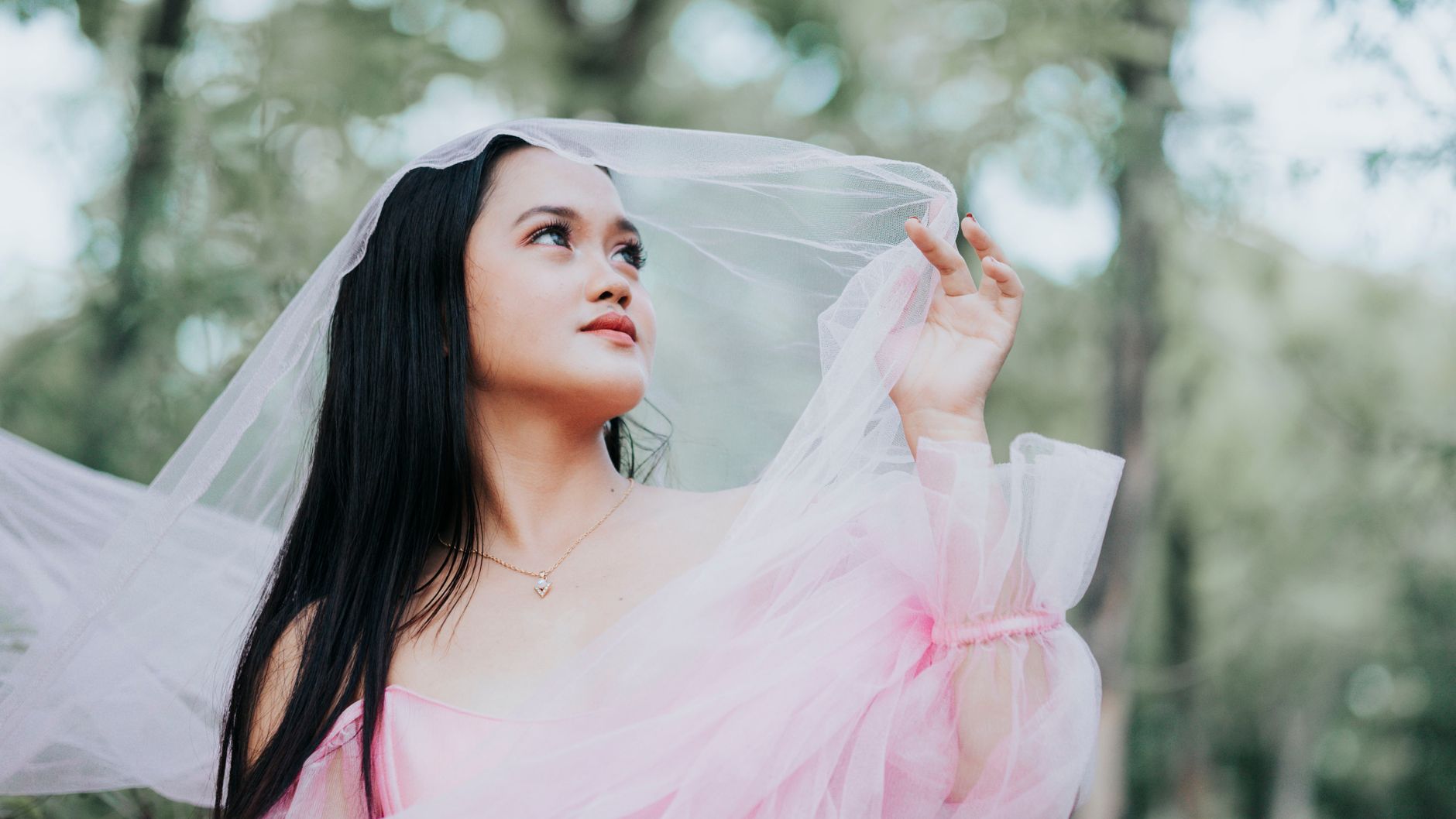
Photo by Art Laurence Luzon on Pexels
Two dresses, same shade of midnight blue, same price, same size. One of them photographs like liquid glass and sticks to your back by the second slow song. The other floats all night and turns into a soft blur in every picture. The difference isn't the color or the cut — it's the fabric, and a good prom dress fabric guide is the thing almost nobody reads before hitting buy.
Short answer, if you want it right now: satin photographs with the most drama and shows every line underneath, tulle is the most forgiving and the most comfortable to dance in but reads as volume rather than shape in photos, and lace sits in the middle — texture that holds up beautifully in close-ups, with comfort that depends entirely on the lining underneath. Pick based on how warm your venue runs, how much you plan to move, and whether your favorite photos will be full-length or from the waist up.
What does each prom dress fabric actually do on your body?
Fabric is physics before it's fashion. Three things change when you switch material: how the dress hangs (drape), how much air moves through it (breathability), and how light bounces off it (that's your photos).
Satin: shine, structure, and zero hiding
Satin is a weave, not a fiber, which is why the same word covers wildly different dresses. The float of the weave puts long threads on the surface, and those threads catch light in one smooth sheet. That's the glossy ribbon of highlight down the side of a column gown that makes it look expensive in photos.
The trade-offs are real. Satin skims the body, so it telegraphs seam lines, shapewear edges and anything in your pockets. Heavier satins — often described as stretch satin, duchess satin or mikado — hold a shape and are more forgiving; thin, slippery charmeuse-style satin is the one that clings. Polyester satin also traps heat, which matters in a packed room with stage lighting.
Satin wrinkles across the lap when you sit, and those creases show up in pictures as dull gray bands. If you're riding 40 minutes to the venue in a car seat, factor that in.
Tulle: the one you can actually dance in
Tulle is netting. Air goes straight through it, which is why a ballgown with six layers of tulle can feel cooler than a single-layer satin sheath. It doesn't cling, it doesn't crease in any way a camera notices, and it hides almost everything you'd rather it hid.
In photos, tulle behaves like atmosphere. It catches light softly and turns slightly translucent at the edges, which is gorgeous outdoors near sunset and in any shot where you're moving. What it won't do is show your waistline from across a gym — volume reads as volume. If you want definition, look for a dress with a fitted satin or boned bodice and the tulle starting at the waist.
One honest warning: cheap stiff tulle scratches. Look for "soft tulle," "English net" or any mention of a lining at the skirt, and check whether the innermost layer touches your legs directly.
Lace: texture that survives a close-up
Lace is the one that rewards zooming in. Where satin goes flat under a direct flash and tulle goes hazy, lace keeps its pattern — floral, geometric, scalloped — because the shadows between the threads give the camera something to hold onto. If the photos you'll actually keep are the ones taken at arm's length on someone's phone, lace is quietly the strongest choice.
Comfort comes down to construction. Lace over a soft jersey or mesh lining is wonderful. Lace sewn straight to a stiff polyester lining is warm and can feel like cardboard across the ribcage. Corded and chantilly laces are the softer end; heavily beaded lace adds weight and can snag on bracelets and chairs.
Vintage-leaning cuts lean on lace more than anything else, and it's worth browsing a store that specializes in it — 1950s-inspired lace and prom silhouettes at ZAPAKA are a good place to see how lace behaves on a fitted bodice versus a full skirt side by side.
Which fabric photographs best under which lighting?
Prom photos happen in three wildly different lighting situations, and each fabric handles them differently.
- Direct on-camera flash (hallway, photo booth, parent with a phone): satin blows out into white hot spots. Lace and matte crepe handle it best. Tulle is fine but can look washed out.
- Colored stage or DJ lighting: satin is the clear winner — it picks up and reflects colored light in long streaks. Lace loses its pattern in low light. Tulle glows at the edges, which can be lovely.
- Golden hour outdoors: tulle is unbeatable here, because backlight passes through it. Satin looks rich. Lace reads as beautiful texture.
A practical trick from the field notes: before you commit, take a phone photo of the product listing's model shots and pinch to zoom. Most stores shoot in soft studio light, which flatters everything. Look for a second image under harsher light or a customer photo — those tell you far more about shine level than the description ever will.
Color behaves differently on each fabric
The same dye looks like three different colors depending on the weave. Satin deepens and saturates — a blush satin photographs closer to rose. Tulle lightens, because you're seeing layers of semi-transparent netting stacked up, so blush tulle may read nearly white under a flash. Lace shows the lining color through the pattern, so "navy lace" over a nude lining is a very different dress than navy lace over navy.
If you're matching a corsage, a tie or a group color scheme, ask for the fabric name alongside the color name. "Emerald satin" and "emerald tulle" will not match each other in a photo.
How do you choose a prom dress fabric for your night?
Work backward from the evening rather than from the hanger. A few questions that sort it quickly:
- How warm is the venue? A gym in May with 300 people is hot. Tulle, chiffon and lace over mesh breathe. Lined polyester satin and anything with full beading do not.
- How much are you dancing? Heavy satin trains and long tulle skirts both need managing. Look for a wrist loop or bustle hook on floor-length styles.
- How long is the car ride? Satin and taffeta crease sitting down. Tulle, crepe and most laces don't.
- Where will the photos be taken? Outdoors before sunset favors tulle and chiffon. Indoor flash favors lace and matte fabrics. Stage lighting favors satin.
- What's your comfort with cling? Satin shows everything. If that's going to occupy your thoughts all night, a stretch crepe or a lace overlay solves it without changing the silhouette much.
The mixed-fabric answer
You don't have to pick one. The most wearable formal dresses usually combine materials: a satin bodice for structure and shine where the camera focuses, a tulle or chiffon skirt for movement and airflow. A lace overlay across a satin column gives texture in close-ups and softens the cling. If you're torn between two fabrics, there's almost certainly a dress doing both.
For current-season cuts — corset bodices, slip silhouettes, mesh overlays — fresh formal styles with easy returns at Princess Polly is where a lot of the flock starts, mostly because being able to send one back matters enormously when you're buying fabric sight-unseen.
What should you check on the product page before ordering?
Listings vary, but the useful details are almost always there if you scroll. Look for:
- Fiber content. Polyester satin is shinier and warmer; a satin with elastane has stretch and forgives fit. Nylon tulle is softer than polyester tulle.
- "Lined" or "fully lined." An unlined lace or tulle skirt means you're supplying the slip.
- Boning or built-in cups. These change what you need underneath — and strapless satin without boning will slide.
- Weight words. "Flowy," "lightweight," "structured" and "stiff" are the store telling you how it hangs.
- Care instructions. Dry clean only usually signals a higher-quality fabric, and also a dress you can't rescue from a spilled soda at 10 p.m.
- Customer photos. The single most honest shine-and-drape reference you'll get.
Finally, order earlier than feels necessary. Fabric is the thing you can't judge until it's in your hands, and the one real advantage online shoppers have is time to exchange.
If you're still deciding, it's worth scrolling a couple of our apparel stores side by side with the same silhouette in mind — seeing the same neckline in lace, then tulle, then satin makes the choice obvious faster than any description can.
Common questions
Which prom dress fabric is coolest to wear?
Tulle is generally the most breathable, because it's netting and air passes straight through even in multiple layers. Chiffon and lace over mesh also breathe well. Lined polyester satin and heavily beaded fabrics hold heat the most. If your venue runs warm, prioritize an unlined or mesh-lined skirt over anything with a dense polyester lining.
Does satin or lace photograph better for prom?
It depends on the lighting. Satin reflects light in long glossy streaks, so it looks dramatic under stage or colored lighting and in full-length shots. Lace keeps its visible texture under direct flash and in close-ups, where satin can blow out into white hot spots. For phone photos taken at arm's length, lace usually holds up better.
Do satin prom dresses wrinkle easily?
Yes, especially lighter charmeuse-style satins, which crease across the lap after sitting and show those lines as dull bands in photos. Heavier satins like duchess and mikado resist wrinkling much better. If you have a long car ride, hang the dress rather than folding it, and check whether the listing allows steaming before you buy.