Prom Dress Fabric Guide: Lace, Tulle or Satin?
A prom dress fabric guide to lace, tulle and satin — how each one moves, breathes, wrinkles and photographs, plus what to check before you buy.
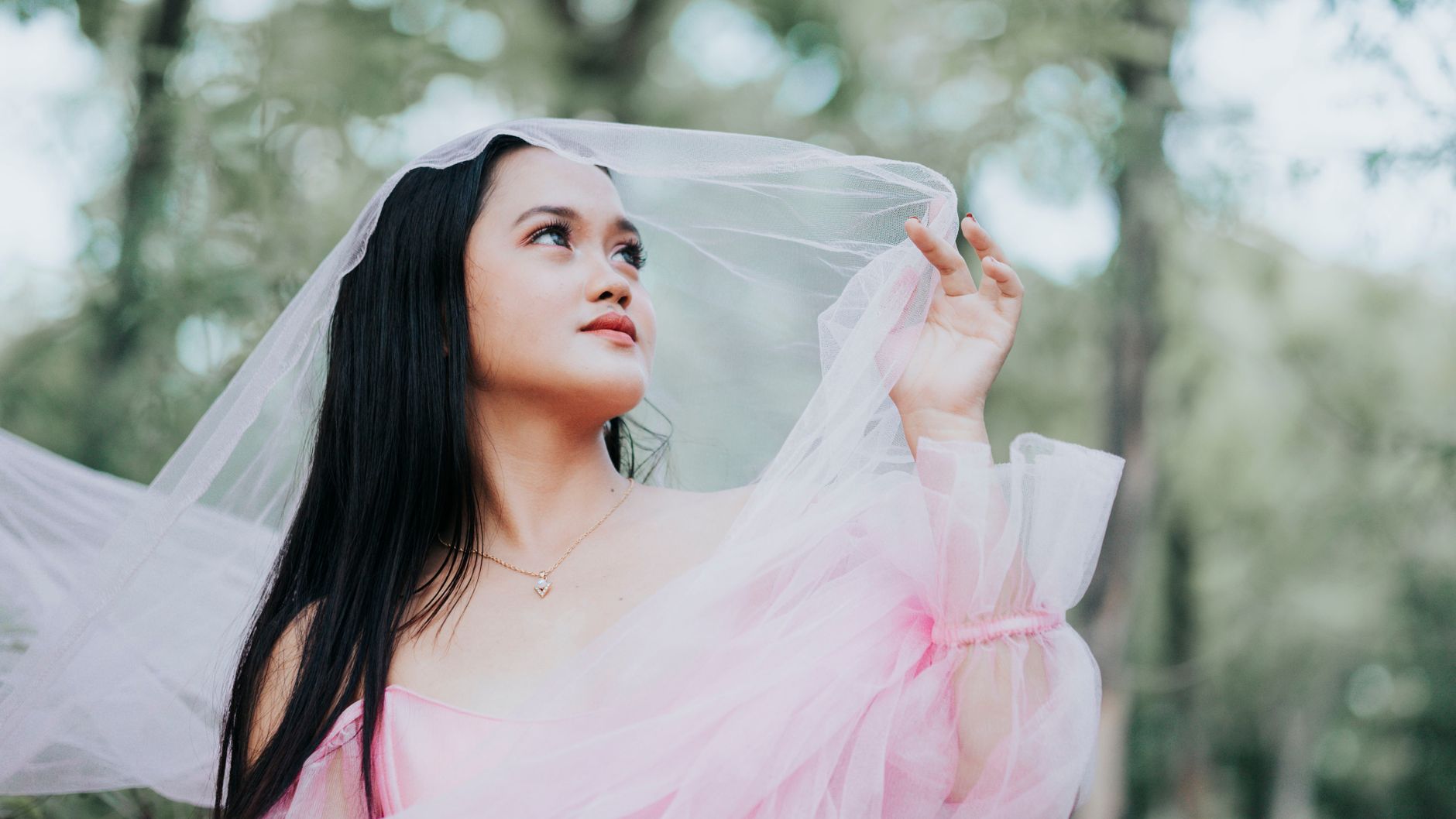
Photo by Art Laurence Luzon on Pexels
Nobody picks a prom dress by holding a swatch up to a window. You scroll, you find a color you love, you check the price, you hit buy. Then the dress arrives and it's either a cloud you never want to take off or a stiff, sweaty, static-clinging regret — and the difference almost always comes down to fabric. This prom dress fabric guide is about the thing most shoppers skip: how lace, tulle and satin actually behave once there's a body, a dance floor and a camera flash involved.
The short version: satin is smooth, heavy and reflective, so it hugs the body, photographs with bright highlights and shows every line underneath. Tulle is airy and volume-building, forgiving on the body, and photographs as soft texture rather than shine. Lace is the detail layer — it reads as texture up close, breathes better than satin, and is almost always backed by a lining that matters as much as the lace itself. Everything below is how to choose between them for your night, your venue and your photos.
What does each prom dress fabric actually feel like to wear?
Fabric decides three things before style ever gets a vote: how the dress moves, how warm you get, and how much you think about it while wearing it. That last one is the real test. A dress you keep adjusting is a dress you'll remember for the wrong reasons.
Satin
Satin isn't a fiber, it's a weave — which is why it ranges from thin and slippery to thick and almost structural. Polyester satin is the common prom version: glossy face, matte back, heavier than it looks. It drapes close to the body, which is wonderful on a bias-cut slip and unforgiving on anything with a seam or a hook underneath. It also traps heat. In a warm gym or a packed ballroom, satin is the hottest of the three.
Look for the words "stretch satin," "satin crepe" or "charmeuse" on the product page. Stretch satin (usually satin with a few percent spandex) moves with you and wrinkles less dramatically. Satin crepe has a slightly textured back and a softer shine — flattering if you don't want a mirror finish. Plain charmeuse is the slinkiest and the most revealing of what's beneath it.
Tulle
Tulle is netting, and prom tulle comes in two personalities. Stiff nylon tulle holds a shape and scratches a little; soft tulle (often polyester, sometimes called "illusion" or "soft net") falls in gentle layers and feels like nothing. The number of layers matters more than the fiber: a three-layer skirt swishes, a seven-layer skirt makes an entrance and needs real estate in the back seat of a car.
Tulle is the coolest of the three to wear because air moves through it. It's also the most forgiving of a big dinner — the volume hides everything. The trade-off is bulk: it catches on heels, it fills a bathroom stall, and it does not pack flat.
Lace
Lace lives on top of something else. Corded lace has raised threads and a dimensional, almost embroidered look. Chantilly is finer and softer with a scalloped edge. Guipure (sometimes called Venise) is heavy, graphic and has no net behind the motifs. Each one feels different against skin, and some corded laces are genuinely scratchy at the neckline and underarms.
What makes or breaks a lace dress is the lining. A lace bodice over a stretch jersey lining is comfortable all night. Lace over stiff poly taffeta is not. Product pages usually list the lining material — if they don't, treat it as a question worth asking before you commit.
Which fabric photographs best under prom lighting?
Prom lighting is unkind and specific: harsh overhead light in the venue, a phone flash in the parking lot, warm golden light at the pre-party, then absolute darkness on the dance floor with a strobe. Each fabric handles that differently.
- Satin reflects. That's its whole appeal and its whole risk. In soft, directional light — golden hour, window light, a decent photographer — satin looks liquid and expensive. Under a direct phone flash, it can blow out into a white hot spot and every horizontal crease from sitting in a car turns into a visible line.
- Tulle diffuses. It never blows out. Flash passes through the outer layers and lights the skirt from within, which is why tulle photographs so well in snapshots. Pale tulle in low light can look slightly washed out, so a deeper color or a tulle skirt with glitter flocking holds up better in a dim room.
- Lace creates texture. Flash loves it — the raised threads cast tiny shadows and the dress reads as detailed rather than flat. The one catch is contrast: lace in a shade close to your skin tone can disappear into a blur at a distance. A lining in a contrasting color makes the pattern legible in every photo.
If you know most of your photos will be phone snapshots with flash, tulle and lace are the safer bets. If someone is actually shooting portraits outdoors before dinner, satin will out-photograph both.
Color behaves differently on each one
The same dye looks like three different colors across these fabrics. Satin reads one or two shades darker and more saturated because of the sheen. Tulle reads lighter and hazier, especially in multiple layers over a different-colored lining. Lace takes on whatever is underneath it. This is why a "navy" dress in three fabrics can look navy, periwinkle and near-black. Check the photos of the actual fabric, not the swatch square.
How do you match the fabric to your venue and your night?
Start with the room. An outdoor or warm venue in May pushes you toward tulle, lace over jersey, chiffon or organza — anything that lets air through. A cool, air-conditioned hotel ballroom is the one place satin is comfortable for four hours straight.
Then the schedule. If there's a long car ride, satin will arrive with lap creases and polyester satin is not something you want to steam in a hotel bathroom twenty minutes before photos. Tulle is wrinkle-proof in practice but needs hanging space. Lace sits in the middle — it crushes less than satin and recovers faster.
Then the dancing. Heavy satin and heavy beading get warm fast. A tulle skirt with a fitted bodice gives you movement without weight. Guipure lace with a full lining is heavier than it looks, so if you plan to be on the floor all night, check the dress description for words like "lightweight," "flowy" or "unlined skirt."
A pre-checkout checklist
- Lining: listed and ideally stretch, especially under lace
- Stretch: any spandex content at all makes a fitted dress wearable through dinner
- Closure: a side zipper on satin, a corset back on tulle or lace if you're between sizes
- Built-in support: cups or boning noted in the description saves you a strapless bra hunt
- Length and layers: how many tulle layers, and whether the hem is finished or raw-cut
- Care: dry clean only on most satin and lace; check before you buy if that's a dealbreaker
- Returns window: order early enough that you can exchange once
Where to shop for each fabric
Lace is the fabric most worth buying from a store that specializes in it, because the quality gap between a good corded lace and a cheap printed one is huge. ZAPAKA's lace and vintage-silhouette formal dresses lean into structured bodices, tulle skirts and 1950s shapes — a good place to look if you want texture and a defined waist rather than a plain slip, and their listings tend to spell out fabric and lining.
If your taste runs more modern — satin slips, minis, strapless columns and the shapes that cycle through fast — Princess Polly's formal and going-out dresses refresh constantly and the return policy makes ordering two sizes less of a gamble. That matters more than it sounds with satin, where fit is everything.
Whichever way you go, order earlier than feels necessary. Alterations on satin are straightforward, alterations on a many-layered tulle hem are not, and a tailor's calendar in April fills up fast. One field note from the flock: build in two weeks of slack and the whole process stops being stressful.
Common questions
Is satin or tulle better for a prom dress?
Satin suits cool, air-conditioned venues and planned portrait photos — it drapes close to the body and reflects light beautifully in soft lighting. Tulle suits warm rooms and long nights of dancing because air moves through it and it hides a full dinner. Tulle also photographs more reliably under phone flash, while satin can blow out into bright hot spots.
Does lace make a prom dress itchy?
It depends on the type and the lining. Corded and guipure laces have raised threads that can feel scratchy at the neckline and underarms, while Chantilly lace is much softer. The lining underneath matters most — lace over a stretch jersey lining is comfortable for hours, while lace over stiff taffeta is not. Check the product page for the lining material.
Which prom dress fabric wrinkles the least?
Tulle is essentially wrinkle-proof because it's netting that holds its own shape, though it needs hanging space rather than folding. Lace crushes lightly and recovers quickly. Polyester satin wrinkles the most visibly, and creases from sitting in a car show up clearly in photos, so hang it and avoid long seated rides before pictures.