Prom Dress Fabric Guide: Lace, Tulle or Satin?
A prom dress fabric guide to lace, tulle and satin — how each one moves, breathes, wrinkles and photographs, plus what to check before you buy.
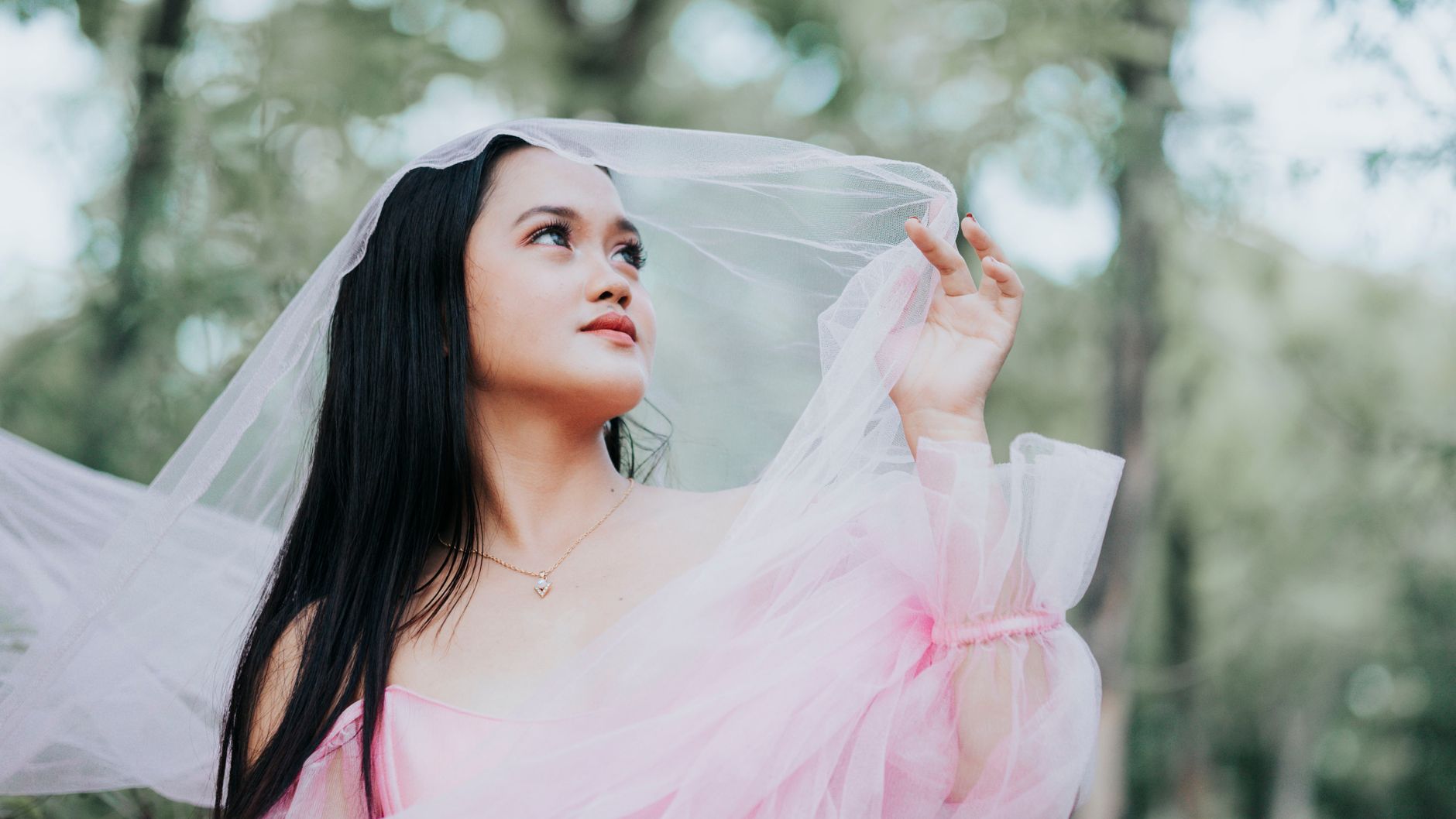
Photo by Art Laurence Luzon on Pexels
The dress looked perfect on the screen. Then the flash went off, and suddenly the skirt had a hot white stripe down one side and the bodice showed every seam of what was underneath. Nothing was wrong with the color or the cut — it was the fabric, and nobody had mentioned it. That is the gap this prom dress fabric guide is here to fill: lace, tulle and satin behave like three completely different animals once you add a dance floor, a camera and four hours of wear.
The quick answer: satin is sleek and sculptural and photographs with bright highlights, but it shows wrinkles and body lines and runs warm. Tulle is airy, forgiving and gives you volume and movement in photos, but it can be scratchy and takes up a lot of room in a car. Lace sits in the middle — texture that reads beautifully up close, built on a lining whose quality decides how comfortable the whole dress is. Most people pick by color and price, then discover the fabric at 9 p.m. with no fix available.
What does each prom dress fabric actually feel like to wear?
Start with the hours, not the hanger. Prom is pictures, dinner, dancing, a warm room and probably a cold parking lot. Fabric decides how all of that goes.
Satin
Satin is a weave, not a fiber, which is why two satin dresses can feel nothing alike. Polyester satin (sometimes labeled charmeuse, duchess or mikado) is the most common at this price point. It is smooth, has a liquid drape and holds a column or mermaid shape beautifully. The trade-offs: it traps heat, it shows every crease once you sit down, and because it skims the body it telegraphs seams, waistbands and anything with elastic.
Weight matters more than the word "satin." A heavier duchess or mikado satin stands away from the body and smooths lines; a thin charmeuse clings. If the product page says "stretch satin," you get a little forgiveness and usually more cling. If it says "matte satin" or "crepe back satin," you get softer shine and fewer hotspots in photos.
Tulle
Tulle is netting, and its personality depends entirely on how fine it is. Soft bridal-style tulle feels like a cloud and moves when you walk. Stiffer, cheaper nylon tulle holds dramatic shape but can scratch the backs of your arms and your legs. Layers are the other variable — a skirt with six to eight layers plus a lining moves gorgeously; two layers over a short lining can look see-through under strong light.
Tulle is the most forgiving fabric on the body because nothing clings, and it is the most demanding logistically. It does not fold flat, it does not sit well in a small car, and it catches on heels, zippers and bracelets.
Lace
Lace is a surface layer. The hand of the lace itself — corded, chantilly, guipure, embroidered mesh — sets the look, but the lining sets the comfort. A lace dress on a soft jersey or satin lining is lovely all night. The same lace on a stiff bonded lining gets hot and itchy fast. Check the product page for the words "lined," "fully lined" or "mesh-lined," and look at reviews mentioning itch around the neckline and under the arms, where lace sits directly on skin.
Vintage-leaning silhouettes lean hardest on lace, and it is worth browsing a shop that specializes in it rather than one where lace is an afterthought — ZAPAKA's lace and 1950s-inspired prom styles are a good place to see how corded lace, tea-length skirts and fitted bodices read together before you commit.
How does each fabric photograph under flash and string lights?
Prom photos happen in three lighting situations and every fabric behaves differently in each: daylight on a lawn or staircase, direct phone flash at close range, and dim colored light on the dance floor.
- Satin in flash: creates a bright specular highlight — a visible stripe of light where the fabric curves. Flattering on a column skirt, less so across a tight bodice. Matte and crepe-back satins diffuse this much more.
- Satin in daylight: excellent. Soft directional light makes satin look expensive and shows off the drape.
- Tulle in flash: glows and separates into visible layers, which usually reads as volume and movement. Watch for the lining ending higher than the tulle — flash will show exactly where.
- Tulle in dim light: can lose definition and go a bit flat, which is why glitter tulle and tulle with embroidered appliqués exist.
- Lace in flash: the texture pops because the shadows between threads get crisp. This is lace's best moment.
- Lace in dim light: can disappear into a solid shape unless there is tonal contrast between the lace and the lining underneath.
Color behaves differently by fabric too. Satin reflects whatever is around it, so a white satin dress under red uplighting photographs pink. Tulle, being semi-transparent, tends to read closer to its lining color. Deep jewel tones hold up best across all three lighting situations; very pale pastels in shiny satin are the hardest to photograph well because they blow out under flash.
Which fabric fits your night: a quick matching checklist
Pick the row that sounds most like your evening.
- Outdoor photos in June heat, long drive, dancing all night: soft tulle, or lace over a breathable lining. Skip heavy satin.
- Sit-down dinner, lots of posed photos, cool venue: satin, ideally a heavier matte or mikado that resists sitting creases.
- You want texture and detail that reads in close-up portraits: lace, with contrast between lace and lining.
- Small car, shared ride, tight dressing room: anything but a wide tulle ball gown — or accept that it rides in the trunk flat-boxed.
- You will be on your feet and want to forget you are wearing a dress: lace with stretch, or a tulle A-line with a comfortable lined bodice.
- You want a strong silhouette in every photo: satin, because it holds structure; tulle gives you shape instead of structure.
One more field note from the flock: plan the shoes and the undergarments with the fabric, not after it. Satin shows seams, tulle hides everything, and lace depends on whether the lining is opaque.
What should you check on the product page before buying?
This is where a few seconds of reading saves a return. Scroll past the model photo and look for:
- Fiber content. "100% polyester" tells you it will run warmer and resist wrinkles differently than a rayon or silk blend. Nylon tulle is stiffer than polyester tulle.
- The word "lined." Fully lined, partially lined, or nothing stated. Unstated usually means minimal.
- Stretch. "Stretch satin," "stretch lace" or a listed spandex percentage changes sizing strategy entirely. Non-stretch satin should be sized for the widest measurement.
- Closure type. An invisible zipper in satin is smoother than an exposed zipper; corset backs add several inches of adjustability, which is useful if you are between sizes.
- Boning or built-in cups. These decide whether a strapless bodice stays up through dancing.
- Layer count on tulle. Good listings state it. More layers means more opacity and more movement.
- Care instructions. "Dry clean only" is common for satin and lace. Factor in the turnaround if you need the dress twice.
- Length and the model's height. Floor-length on a 5'10" model is a different dress on someone 5'3", especially in satin, where hemming changes the drape.
- Return window and whether sale items are final. Order early enough that returning and reordering is actually possible.
If you would rather shop trend-forward silhouettes than vintage ones — slip satins, corset bodices, mesh and sparkle — Princess Polly's formal and going-out dresses refresh constantly and the fabric details are usually listed clearly on each page.
How do you keep each fabric looking good on the night?
Satin wrinkles from sitting; hang the dress the moment you arrive if you have a break, and use steam rather than a hot iron face-down on the fabric. Test any steam on an inside seam first, because polyester satin can water-spot. Tulle generally shakes out on its own — hang it high so the layers fall rather than folding it over a hanger bar. Lace mostly behaves, but watch for threads catching on jewelry clasps and rough chair backs; carry a tiny pair of scissors rather than pulling a snagged thread.
For transport, lay satin flat in a garment bag rather than folding it, and let a tulle skirt sit loose on a back seat instead of crushing it in a trunk. Deodorant and makeup transfer show most on light satin, which is why the dress goes on last.
Common questions
Is satin or tulle better for prom photos?
Both photograph well for different reasons. Satin catches light and creates a sleek, sculptural silhouette that looks great in daylight, though direct flash can create bright hotspots on curves. Tulle glows softly, shows visible layers and captures movement when you walk or spin. If most of your photos will be posed close-ups, satin; if they will be candid and full-length, tulle.
Does a lace prom dress feel itchy to wear all night?
It depends on the lining, not the lace. A fully lined lace dress on soft jersey or satin feels comfortable for hours because the lace never touches skin except at the neckline, shoulders and arms. Unlined or partially lined lace, especially stiff corded or guipure lace, can irritate. Check the listing for "fully lined" and read reviews mentioning the neckline.
Which prom dress fabric is coolest in hot weather?
Soft tulle is generally the most breathable because it is open netting with air moving through the layers, and nothing clings to skin. Lace over a lightweight lining is a close second. Polyester satin tends to run the warmest since it sits flat against the body and does not let much air through, which matters most for outdoor photos and crowded dance floors.