Prom Dress Fabric Guide: Lace, Tulle or Satin?
A prom dress fabric guide to lace, tulle and satin: how each one moves, breathes, wrinkles and photographs, plus what to check before you order.
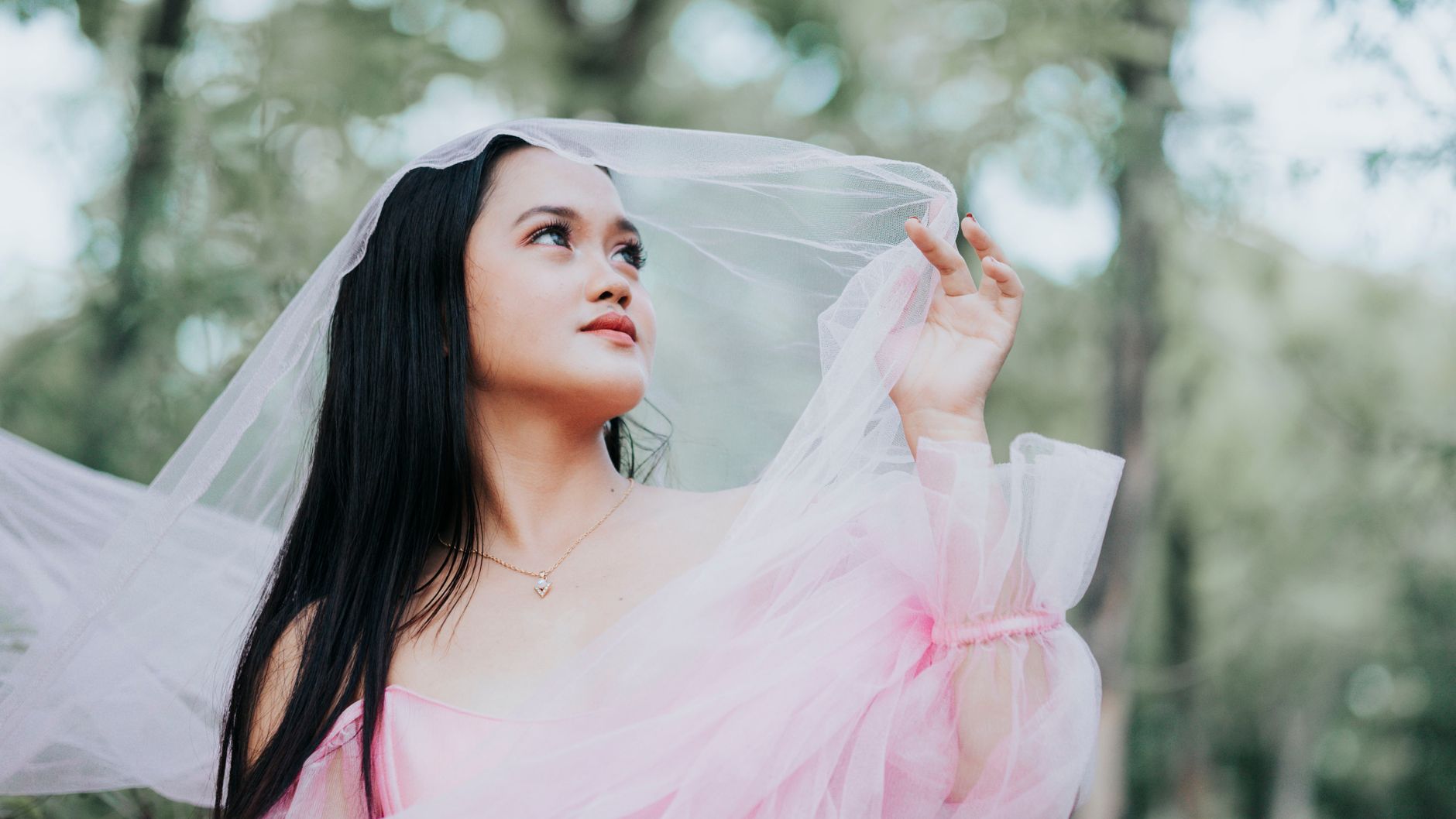
Photo by Art Laurence Luzon on Pexels
Two dresses, same shade of midnight blue, same price bracket, same size. One of them photographs like a dream and feels like wearing a cloud through four hours of dancing. The other clings in every photo and leaves creases across the lap by nine o'clock. The difference almost never comes down to color — it comes down to fabric, which is exactly the thing most shoppers skim past. So here's the short version of this prom dress fabric guide: lace gives texture and forgiveness, tulle gives volume and air, satin gives shine and a sharp silhouette but shows every line underneath it.
Pick based on three things in this order: how long you'll be wearing it, how warm the room will be, and whether the photos that matter most are taken in daylight or under a camera flash. Everything below is detail on those three questions, plus the specific words to look for on a product page so you can tell a heavy, well-lined dress from a thin one before it ships.
What does each prom dress fabric actually do?
Fabric names on retail sites are loose. "Satin" is a weave, not a fiber. "Lace" covers everything from stiff corded guipure to soft stretch floral. Still, each family behaves in predictable ways once you know what you're feeling for.
Lace
Lace is an open, patterned fabric, usually laid over a lining or a mesh base. Because the eye reads pattern before it reads shape, lace is remarkably forgiving — it breaks up the silhouette and hides small wrinkles, waistband lines and the little shifts that happen after dinner. It's also the most texturally interesting fabric in close-up photos, which matters if you're expecting a lot of head-and-shoulders shots.
Watch for two things. First, scratchiness: corded and beaded laces can rub at the underarm, neckline and anywhere a seam sits against skin for hours. Second, the lining. A lace dress is only as comfortable as what's underneath it, and cheap linings are where the heat builds. Product pages that mention a "full lining" or "soft mesh backing" are telling you something useful.
Tulle
Tulle is netting. Layered, it creates volume without weight, which is why ballgown skirts are nearly always tulle rather than anything woven. It breathes better than any other formal fabric because it's mostly air, and it photographs beautifully in motion — the skirt catches light at the edges and reads as soft rather than flat.
The tradeoffs: tulle snags on rings, watches, chair hardware and other people's sequins. It also takes up space. A six-layer skirt is genuinely difficult to sit in at a round dinner table, and nearly impossible in the back seat of a packed car. Softer "illusion" or "bridal" tulle is gentler against the legs; stiffer net tulle holds a shape better but can feel prickly without a lining.
Satin
Satin is the glossy one, and it's having a long moment in slip and column silhouettes. It drapes heavily, skims the body and gives you that clean, liquid line down the front of a dress. Under flash photography it throws bright highlights, which can look expensive and sculptural — or can blow out into a white stripe if the lighting is harsh and the fabric is very shiny.
Satin is also the least forgiving fabric on this list. It shows underwear lines, seam lines, pocket outlines, and any crease you sit on. Heavier satins (often labeled "stretch satin," "duchess satin," or "matte satin") behave far better than thin, papery ones. If a product photo shows the fabric pooling in soft, weighty folds on the floor, that's a good sign. If it looks like wrapping paper, it will crease like wrapping paper.
Which fabric is most comfortable for a four-hour night?
Comfort at a formal event comes down to three variables: temperature, weight and freedom of movement. Rank the fabrics against each and a pattern appears fast.
- Coolest: tulle, by a wide margin, as long as the bodice isn't heavily boned. Lace over mesh comes second. Satin, especially polyester satin with a full lining, traps the most heat.
- Lightest: tulle again for the skirt, though a heavily layered one gets surprisingly bulky. A single-layer satin slip dress is the lightest overall garment.
- Easiest to move in: anything with stretch. Look for "stretch lace," "stretch satin," or an elastane/spandex percentage in the fabric breakdown. A 3–5% stretch content is the single biggest comfort upgrade you can get in a formal dress.
- Easiest to sit down in: lace and A-line tulle. Narrow satin column dresses ride up and crease across the thigh.
One more comfort factor that nobody mentions: the closure. A full-length zipper with a hook-and-eye top is far more adjustable than a corset back if you've never laced one, and a corset back is far more adjustable than a side zip if you're between sizes. Check which one you're getting before you order.
How does each fabric photograph on camera?
Prom produces two very different kinds of photos: daylight shots before the event, and flash-heavy shots in a dim room. Fabrics behave differently in each.
In daylight, satin looks its best — soft directional light rolls across the sheen and gives the dress dimension. Lace shows its pattern clearly. Tulle can read as slightly transparent at the hem in strong sun, which is usually pretty but worth knowing if you want full opacity.
Under a direct flash, the order flips. Flash hits satin and bounces straight back, creating hot spots. Very shiny, lightweight satins are the worst offenders. Matte satin, crepe-back satin and heavier weights handle it far better. Lace diffuses flash beautifully — the texture scatters light and nothing blows out. Tulle picks up a soft halo at the edges that most people love.
Color behaves differently by fabric too. Satin reads more saturated and deeper than lace or tulle in the same dye lot, because the smooth surface reflects color cleanly. Tulle in multiple layers goes lighter and hazier than the swatch suggests. If you're coordinating with a date, a group or a theme, a satin navy and a tulle navy will not look like the same navy standing side by side.
What should you check on the product page before you buy?
Here's the practical part. Online dress listings bury the useful information under styling copy, but it's usually there if you scroll.
- Fiber content, not just fabric name. "Satin" tells you the weave; "100% polyester satin" tells you it'll be warm and shiny. "Lace" could be anything; a listed nylon/cotton blend usually feels softer than pure polyester.
- Lining. Is it fully lined, partially lined, or lined to the knee? A lace or tulle dress lined only to the knee will be sheer below it. That may be the design, or it may be a surprise.
- Stretch. Any elastane percentage at all, or the words "stretch" and "built-in bodice stretch." If the dress has none, size with a little more room.
- Boning and built-in cups. These dictate what you can wear underneath and how the bodice sits. Built-in cups are great until they sit in the wrong place for your torso length.
- Length and the model's height. Most listings say "model is 5'9" and wears a size S." Do the math against your own height plus heel height, especially for floor-length satin, which pools and trips.
- Care instructions. Dry clean only is normal for formal wear, but it tells you the dress won't survive a spill-and-rinse.
- The return window and whether final-sale rules apply. Formal wear is frequently excluded from free returns. Know before you click.
If you want to browse the three fabrics side by side rather than in the abstract, ZAPAKA's prom and formal range is a useful place to do it — their catalog leans heavily on lace and vintage-leaning silhouettes alongside tulle ballgowns and satin column styles, so you can see how the same color reads across different materials. For sleeker, trend-driven satin slip dresses and shorter party styles, Princess Polly's dress selection turns over quickly and covers the modern end of the formal spectrum.
Which fabric fits your night best?
A rough field guide, with the caveat that your taste beats any rule here:
- Warm venue, lots of dancing, want movement in photos: tulle skirt with a lined, stretch bodice.
- Close-up photos matter most, you want texture and forgiveness: lace over a soft lining.
- You want a sharp, modern, grown-up silhouette and the room is cool: heavier matte satin.
- You genuinely can't decide: look for combinations — a satin bodice with a tulle skirt, or lace appliqué over satin. These are extremely common and they split the difference honestly.
Order early enough to try the dress on at home, sit down in it for twenty minutes, and walk a flight of stairs. That's the test that matters, and it's the one you can't do from a product photo.
Common questions
Is satin or tulle better for a prom dress?
Neither is universally better. Satin gives a sleek, body-skimming line and deep color, but it's warmer and shows creases and underwear lines. Tulle is far cooler and more forgiving, creates volume, and moves well in photos, but it snags easily and takes up space when you're seated. Choose satin for a sharp silhouette, tulle for comfort and movement.
Does lace make a prom dress itchy?
It can, depending on the type. Corded, beaded and guipure laces are stiffer and may rub at the neckline, underarms and anywhere a seam meets skin. Soft stretch lace and lace laid over a mesh or satin lining is usually comfortable all night. Check whether the listing mentions a full lining, and watch for unlined lace at the shoulders and back.
Which prom dress fabric wrinkles the least?
Tulle wrinkles the least because it's netting and holds no crease. Lace resists visible wrinkling well since the pattern hides it. Lightweight, shiny satin wrinkles the most and shows every crease from sitting. If you want a satin look with less creasing, look for heavier matte, stretch or crepe-back satin rather than thin, high-gloss versions.