Prom Dress Fabric Guide: Lace, Tulle or Satin?
A prom dress fabric guide to lace, tulle and satin — how each one moves, breathes, wrinkles and photographs, plus what to check before you buy.
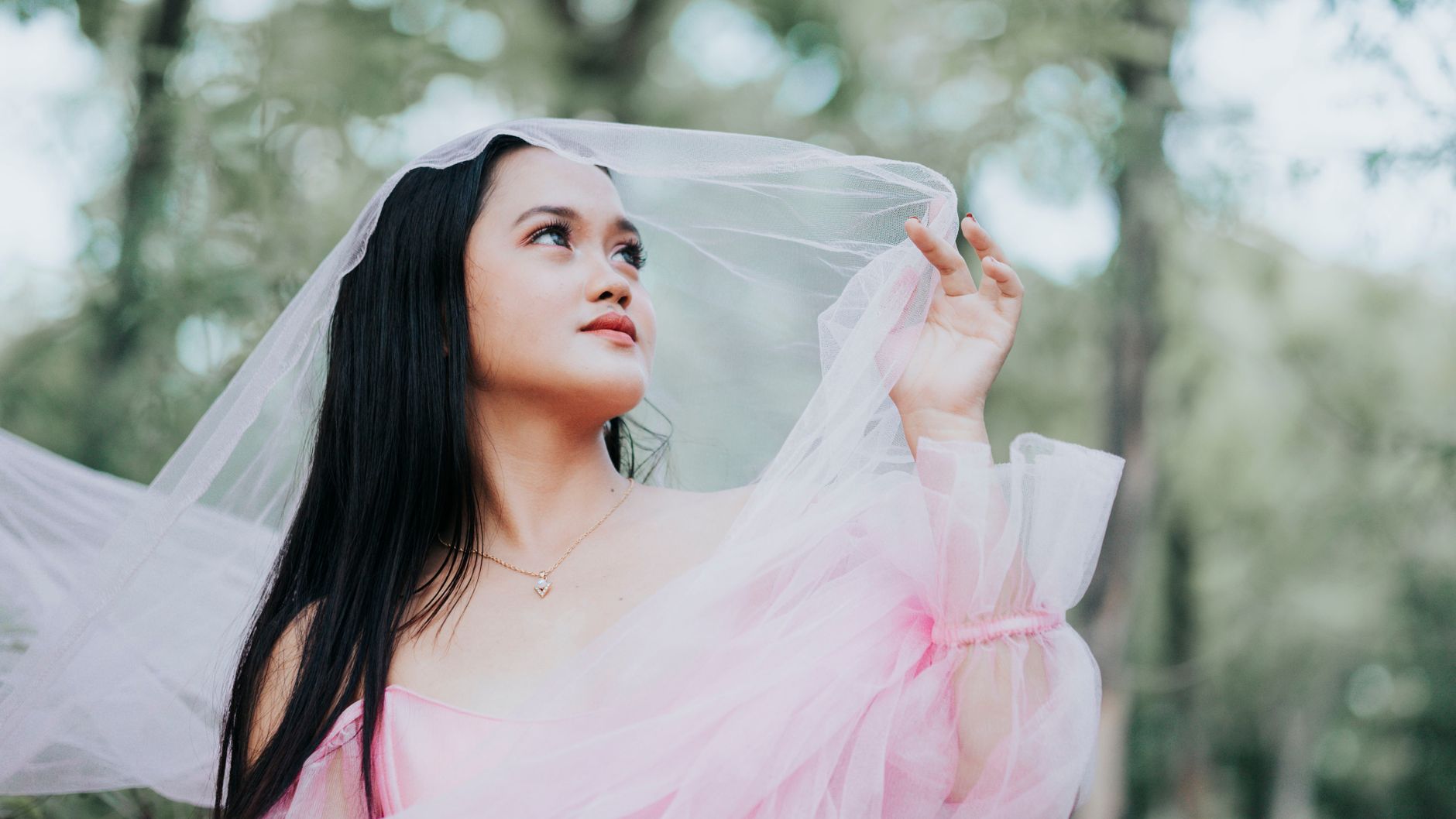
Photo by Art Laurence Luzon on Pexels
Two dresses, same shade of midnight blue, same price, same size. One of them makes you look like you glide across the gym floor. The other sticks to your back by the second slow song and shows every crease in the group photo. The difference almost never shows up in the listing photo — it's the fabric, and this prom dress fabric guide exists because most shoppers compare color and price and stop there.
Short answer first: lace gives you texture that photographs beautifully up close and breathes reasonably well, but it can scratch and it rarely stands on its own without a lining. Tulle gives volume and movement, photographs soft and dreamy, and is the most forgiving of a long night — but it crushes in car seats and snags on everything. Satin gives you that liquid, expensive-looking drape and the sharpest color on camera, but it shows every lump, every wrinkle, and runs warm. Most dresses you'll actually buy are a combination of two of these, which is usually the smartest outcome.
What does each prom dress fabric actually do on your body?
Fabric is physics before it's fashion. Weight, weave and fiber decide whether a skirt swings or hangs, whether a bodice smooths or clings, and whether you're comfortable at 11 p.m.
Lace
Lace is an open, patterned fabric — usually laid over a lining rather than used alone. That means the hand feel you get depends on two fabrics, not one. Chantilly and other fine laces are light and drape softly. Corded or beaded lace has raised threads that catch light gorgeously in photos but can feel scratchy against bare skin at the underarm and zipper.
On camera, lace is the texture winner. It gives the photographer something to focus on, and it reads as detail even in a dim, heavily filtered ballroom shot. It also hides minor wrinkles better than any smooth fabric, because the eye reads the pattern instead of the surface.
What to watch: lace over a stiff poly lining can feel hot, and cheap lace is often fused to its backing rather than sewn, which creates a stiff, papery panel. On the product page, look for the words "lined" or "fully lined," and check whether the lining is described separately. If the listing mentions a mesh or tulle base under the lace, that's typically softer than a bonded one.
Tulle
Tulle is netting. A single layer is nearly weightless; the drama comes from stacking layers — sometimes six or more in a ballgown skirt. That's why tulle dresses look enormous and weigh so little, and why they move with you instead of against you. Dancing in tulle is genuinely easier than dancing in a heavy satin column.
Photographically, tulle is soft focus made physical. It catches backlight, holds a glow around the edges, and makes twirl shots work. If you want the shot where the skirt is mid-air, tulle is how you get it.
The trade-offs are real, though. Tulle crushes when you sit on it for a 40-minute car ride, and some of it never fully recovers. It snags on watches, jewelry, chair edges and rough door frames. And the cheapest nylon tulle is scratchy enough that you'll want a lined underlayer or a slip against the legs. Look for "soft tulle" or "illusion tulle" on the listing, and check whether the skirt has a smooth lining to the knee at minimum.
Satin
Satin is a weave, not a fiber, which is why satin dresses vary so wildly. The weave floats threads across the surface to create shine. Polyester satin is bright and slippery; crepe-back satin has a matte reverse and more body; duchess satin is heavy, structured and holds a sculptural shape.
Color is where satin earns its keep. A deep emerald or true red reads saturated and rich in photos in a way that matte fabric simply doesn't match. Satin also sells the silhouette — a bias-cut satin slip looks like a 1930s portrait.
And satin is unforgiving. Smooth surfaces show seam lines, bra bands, waistbands and anything else underneath. They also show every crease from sitting, and shiny synthetics can look warm under direct flash — sometimes hot-spot bright. If you love satin but worry about the cling, look for crepe satin or a matte satin finish, which diffuses light and skims instead of grips.
Which fabric photographs best under prom lighting?
Prom photos happen in three very different lighting situations, and the fabric behaves differently in each.
- Outdoor golden hour (the pre-prom photos your family takes). Everything looks good here. Tulle glows. Lace casts tiny shadows that read as texture. Satin picks up warm color beautifully.
- Direct on-camera flash (the step-and-repeat, phone pics in a dark room). Satin can blow out into bright white patches. Lace holds up best — the texture breaks up the flash. Matte and crepe finishes are safest.
- Colored uplighting and dance-floor LEDs. Pale fabrics take on whatever color the room is throwing. A blush satin under purple light photographs purple. Saturated colors stay closer to themselves.
One useful trick before you commit: take a photo of yourself in the dress with flash on, in a dim room, from about six feet away. That's roughly the prom photo condition, and it tells you more than a mirror ever will.
How do you choose between lace, tulle and satin for comfort?
Comfort over five or six hours comes down to three things: airflow, weight on your shoulders and waist, and how much you have to manage the dress.
Airflow favors lace over a breathable lining, then tulle, then satin — especially polyester satin, which traps heat against the skin. If your venue runs warm or your prom is in May in a room with 300 people in it, that matters more than it sounds.
Weight is counterintuitive. A huge tulle ballgown is often lighter than a fitted duchess satin mermaid, because satin that holds structure has to be heavy to do it. But a tulle skirt with a boned, fully-structured bodice puts the weight on your ribs, not your shoulders, which some people find more tiring than a heavier skirt with a comfortable top.
Management is the sneaky one. Ask yourself honestly: can you sit, eat, use a restroom and get in and out of a car in this dress without help? A mermaid satin gown with a long train requires a plan. A tulle A-line requires space. A lace sheath requires almost nothing.
A quick checklist before you add to cart
- Is the fabric composition listed? Polyester, nylon, acetate, rayon or silk blend — each behaves differently, and a listing that won't tell you is a listing to be careful with.
- Is it fully lined, partially lined, or unlined with a separate slip expected?
- Does it have boning, a built-in bra or cups? That decides what you can wear underneath.
- Zipper, corset-back lacing, or both? Lacing gives you a couple of inches of adjustment, which is helpful if you're between sizes.
- Is there a size chart with actual measurements, not just S/M/L?
- What's the return window, and do returns need original tags attached?
Where can you shop these fabrics online?
The flock asks about this one every spring, so here's the practical answer. If you want vintage-leaning silhouettes — 1950s tea-length shapes, lace overlays, tulle skirts with structured bodices — ZAPAKA's lace and tulle prom dresses are built around exactly that aesthetic, with prom, cocktail and wedding-guest styles sitting side by side so you can compare how the same fabric reads in different cuts.
If your taste runs more current — slip dresses, satin minis, bias-cut columns, the kind of thing that shows up on a feed before it shows up in a store — Princess Polly's satin and party dresses refresh constantly and the returns process is straightforward, which genuinely matters when you're buying formalwear sight unseen.
Whichever direction you go, order earlier than feels necessary. Alterations take time, and the one thing no fabric can fix is a hem that drags.
How do you keep each fabric looking good on the night?
Steam, don't iron — especially satin and tulle, where a hot plate can leave a permanent shine mark or melt synthetic netting. Hang the dress the moment it arrives; folded tulle sets creases fast.
For the car ride, sit on a smooth jacket or a clean towel rather than directly on tulle, and gather a satin skirt loosely rather than letting it compress under you. Pack a small kit: double-sided fashion tape for satin necklines, a few safety pins, and a lint roller — dark satin attracts everything.
And keep a pair of flats in the car. No fabric decision survives six hours in new heels.
Common questions
Is satin or tulle better for prom photos?
Both photograph well for different reasons. Satin delivers saturated, rich color and a sleek silhouette, which looks striking outdoors or under soft light but can blow out under direct flash. Tulle creates soft volume and movement, making twirl and full-length shots look dreamy. If most of your photos will be phone flash in a dark room, tulle or lace is the safer bet.
Does lace feel scratchy against the skin?
It depends on the type. Fine Chantilly and soft stretch laces feel smooth, while corded or heavily beaded lace has raised threads that can rub at the underarms and back. Most prom dresses place lace over a lining, so skin contact is limited. Check the listing for the words "fully lined" and whether the lace sits over soft mesh rather than bonded to a stiff backing.
Which prom dress fabric is coolest to wear in a warm room?
Lace over a breathable lining usually feels coolest because the open weave lets some air through. Tulle is light and airy but can trap warmth in layers. Polyester satin tends to run the warmest, since the smooth, tightly woven surface sits against the skin and holds heat. If your venue gets crowded, favor lighter fabrics and less structured bodices.