Prom Dress Fabric Guide: Lace, Tulle or Satin?
A prom dress fabric guide to lace, tulle and satin — how each one moves, breathes, photographs under flash, and which body of the dress it suits.
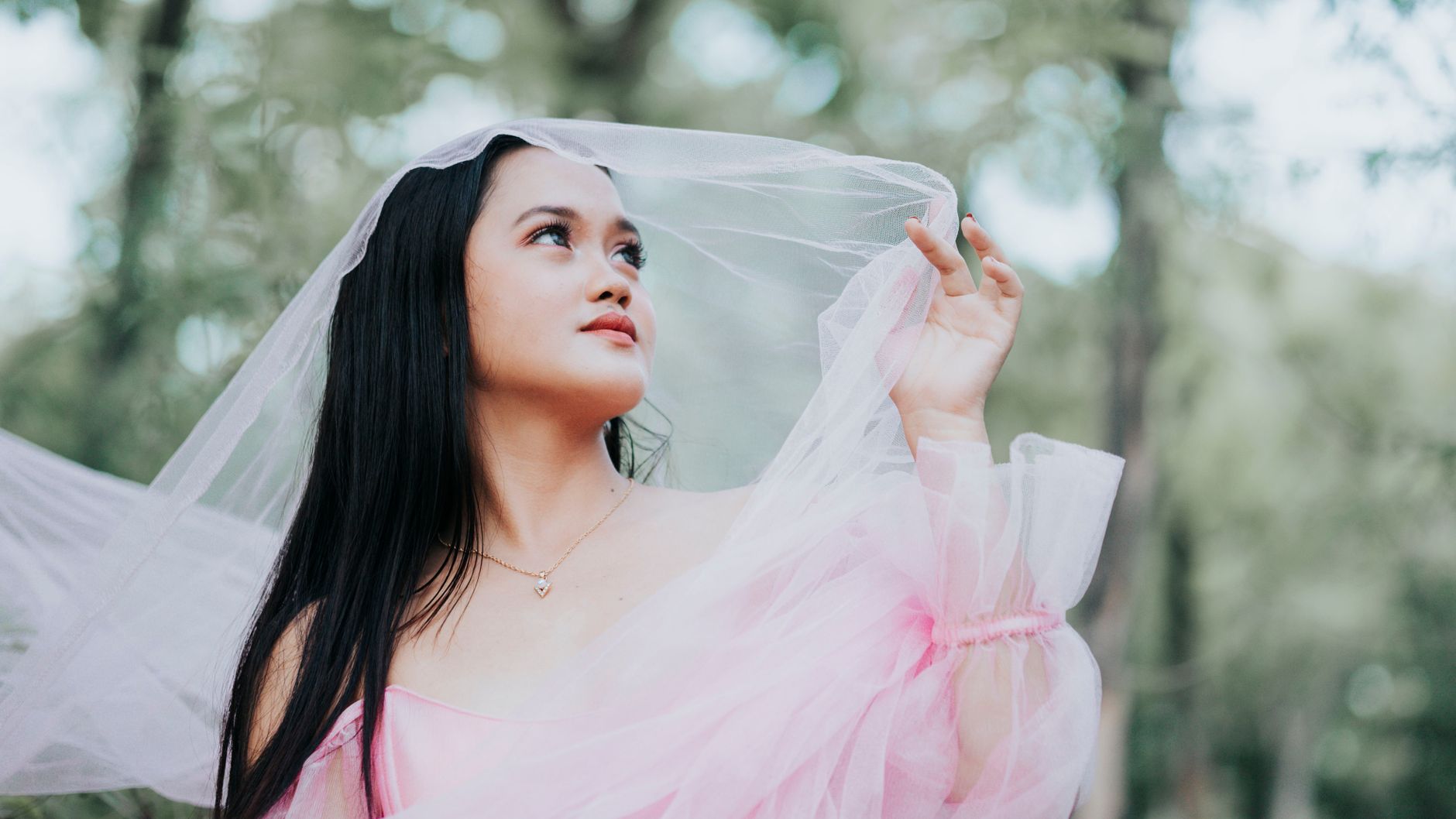
Photo by Art Laurence Luzon on Pexels
The dress that looked incredible on a hanger can turn into a long night of tugging, sticking and squinting at photos where the skirt reads like a shiny white blob. Almost none of that is about the color or the cut. It's about the fabric — which is exactly the thing most shoppers skip past on the product page. So here's a prom dress fabric guide built around the three materials you'll meet most: lace, tulle and satin.
Short version: satin photographs with gorgeous liquid highlights but shows every lump, every seam and every bit of body heat; tulle is the most forgiving on camera and the coolest to wear, but it needs space and it snags; lace gives you texture that never looks flat in a photo and hides a lot, but it can scratch and it depends entirely on what's underneath. Pick based on how long you'll be dancing, whether your photos are outdoors in daylight or indoors under flash, and how much you care about sitting down comfortably.
What does each fabric actually do on the body?
Fabric is the thing that decides whether a dress drapes, floats or stands. Two dresses cut from the identical pattern will behave like completely different garments in satin versus tulle. Here's the honest field guide.
Satin: liquid shine, zero mercy
Satin is a weave, not a fiber — which is why "satin" covers everything from a heavy, structured duchess to a slinky charmeuse that pours off the body. What they share is a glossy face and a matte back, and that gloss is the whole story. It catches light in long ribbons, which is why satin gowns look so expensive in editorial photography.
The catch: a smooth, shiny surface is a magnet for every ripple underneath. Seam allowances, pocket bags, the edge of underwear, the place where you sat on a folding chair for twenty minutes — satin reports it all. Polyester satin also doesn't breathe much, so an August-warm gym can get sticky fast. Look on the product page for a stretch satin or a satin with elastane in the blend; it moves with you instead of fighting you, and it creases less dramatically.
Tulle: the one that photographs forgiving
Tulle is netting. On its own it's barely there; the drama comes from layering, so a full tulle skirt is really six to ten layers of nothing stacked up. That's why it floats when you spin and why it hides whatever's going on underneath — the eye reads texture and volume, not contour.
It's also the coolest to wear by a wide margin, since air moves right through it. The trade-offs are practical: tulle snags on rings, bracelets, velcro and wooden chairs, and a full skirt takes up real estate in a car, at a dinner table and in a photo booth. Softer "illusion" or "bridal" tulle is kinder against skin than the crisp, stiff kind, so if a listing specifies soft tulle, that's a good sign.
Lace: texture that never photographs flat
Lace is the shape-shifter. Corded and Alençon laces are heavier with raised outlines and real presence. Chantilly is fine and delicate and drapes like a whisper. Stretch lace is knit-based and genuinely comfortable. All of them share one superpower: a patterned surface creates micro shadows, so lace never goes flat or blown-out under a camera flash the way shiny fabric can.
The two things to check are the lining and the edges. Lace against bare skin at the underarm, the zipper or the neckline can scratch after a few hours — look for a listing that mentions a full lining, a lined bodice, or soft mesh backing. And check whether the lace is a solid allover or an appliqué placed over illusion mesh, because the second one changes the coverage significantly.
Which prom dress fabric photographs best under flash?
This is the question worth thinking about before you buy, because prom photos are the part that lasts. Flash and fabric interact in ways daylight doesn't.
- Direct flash plus satin = a hot white blow-out where the light hits. Beautiful in a studio with controlled lighting, risky with a phone flash in a dim ballroom. Darker satins — emerald, burgundy, navy, chocolate — handle flash far better than pale ones, because the highlight has somewhere to fall off to.
- Flash plus tulle = soft, dimensional, generally kind. Multiple layers scatter light instead of bouncing it back. Pale tulle in particular glows rather than glares.
- Flash plus lace = the most reliably flattering of the three. Texture equals shadow, shadow equals depth, and the pattern gives the camera something to focus on.
- Sequins and glitter tulle = unpredictable. Stunning when the light's right, a wall of white sparkle when it isn't. Gorgeous in motion on video.
- Outdoors in golden hour = satin wins, easily. Low warm light along a satin skirt is the single best argument for the fabric.
If you know your photos are indoors under harsh light, texture is your insurance policy. If they're outside before sunset, shine is a gift.
How do you match fabric to the shape you want?
Silhouette and fabric are the same decision made twice. A fabric that drapes can't hold a shape, and a fabric that holds a shape can't drape.
If you want a column or slip shape, you need something that falls: charmeuse satin, crepe-back satin, or a stretch lace over a smooth lining. A bias-cut satin slip is the most elegant thing in the room and the least forgiving thing in the room — those are the same sentence.
If you want a ballgown, tulle is the obvious answer, usually over a built-in underskirt or horsehair hem. Mikado and duchess satin can also stand up on their own if you want structure with a cleaner, more sculptural surface.
If you want a fit-and-flare or mermaid, look for lace with stretch, or satin blended with elastane over a boned bodice. You need the fabric to hug through the hip and then release.
If you want something vintage-leaning — a defined waist, a fuller mid-length skirt, sleeves with actual sleeves — lace and tulle do more of the work. ZAPAKA's lace and tulle prom styles lean heavily into 1950s silhouettes, which is a useful place to look if the strapless-mermaid wall at the mall isn't your thing. If you're after something more current and trend-led, Princess Polly's formal and going-out dresses turn over quickly, with satin slips and mini formals showing up alongside the long stuff.
What should you check on the product page before buying?
One of our flock's field notes: the listing tells you more than the photos do, if you read the right lines. Run down this list before you add to cart.
- Fiber content, not just the fabric name. "Satin" is a weave. Polyester satin, acetate satin and silk-blend satin feel and breathe very differently.
- The word "lined." A lined bodice or full lining is the difference between a comfortable night and four hours of itching, especially with lace or stiff tulle.
- Stretch. Spandex or elastane anywhere in the blend means you can sit, eat and raise your arms. A rigid woven satin with a back zipper has exactly one position: standing.
- Built-in support. Boning, a bra-friendly back, removable cups — these determine whether you'll need special undergarments, and smooth seamless ones are essential under satin.
- Number of tulle layers or a mention of a crinoline. Volume comes from layers; if the listing doesn't say, the skirt may photograph flatter than the model shot suggests.
- Care instructions. "Dry clean only" is normal for formalwear but worth knowing in advance, as is anything that says do not iron.
- Return window and length options. Formal dresses are often sold in a single length that assumes heels. Check the model's height in the description if it's listed.
- Real customer photos. Reviews with pictures taken on a phone, indoors, under normal lighting are the closest you'll get to seeing the fabric honestly.
How do you stay comfortable for a five-hour night?
Prom isn't a photo shoot; it's dinner, a car ride, several hours standing, and a dance floor that gets warm. Fabric choice carries most of that.
For breathability, tulle and lightweight lace beat satin. For sitting through a long dinner without creasing, look for a textured or matte surface — satin holds a crease where you fold it, and that crease will still be there in the last photo of the night. For dancing, weight matters: a heavily beaded gown is genuinely heavy after hour three, and a long tulle skirt needs a quick way to hold it up, which is where a dress with a wrist loop or a discreet bustle helps.
A few small things that solve most of the rest: seamless undergarments under anything smooth, fashion tape for necklines, a travel-size lint roller for dark satin, and clear nail polish for a tulle snag before it runs. Try the whole outfit on at home and sit down in it. If you can't sit comfortably, nothing else about the dress matters.
Common questions
Is satin or tulle better for prom photos?
It depends on the lighting. Satin photographs beautifully in daylight or golden hour, where its shine reads as a soft liquid highlight, but direct camera flash can blow out pale satin into a bright patch. Tulle scatters light across its layers and stays dimensional under almost any lighting, which makes it the safer choice for indoor photos taken on phones.
Does lace feel itchy to wear all night?
It varies a lot by type. Stiff corded and Alençon laces can scratch at the underarms and neckline after a few hours, while Chantilly and stretch lace are much softer against skin. The lining matters more than the lace itself — check the product description for a fully lined bodice or soft mesh backing, and feel the inner edges of the armholes before wearing it all evening.
What prom dress fabric is coolest in a warm room?
Tulle, by a clear margin, because air passes straight through the netting even with several layers stacked up. Lightweight lace over a breathable lining comes second. Polyester satin traps the most heat since the tight weave blocks airflow, so if your venue runs warm, favor a shorter length, a lighter-weight satin blend, or skip satin for the skirt entirely.
If you're still deciding, browse by fabric rather than by color — filter for lace or tulle and see what shapes come back. The vintage-leaning lace and tulle dresses at ZAPAKA are a good starting point if you want texture and a defined waist, and there's no rush: the right fabric is worth a few extra evenings of looking.