Macerating Toilets: What They Can and Cannot Do
A basement or garage bathroom without breaking concrete is possible with a macerating toilet - here are the pump limits, hookups and questions to settle first.
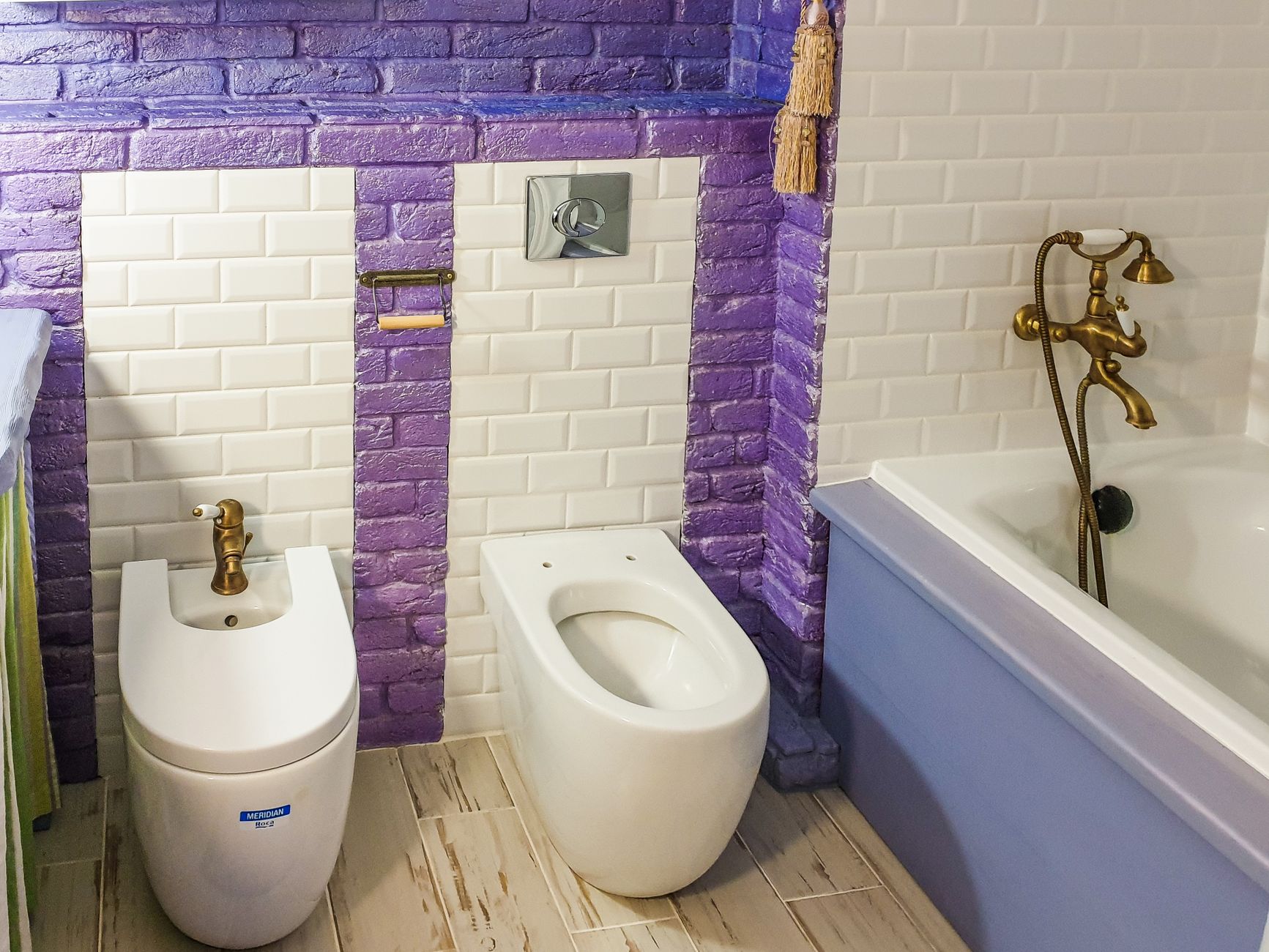
Photo by Алексей Вечерин on Pexels
The half-finished basement is where good intentions go to die. There's a couch down there, maybe a treadmill, possibly a teenager - and the nearest toilet is up a flight of stairs and around a corner. The quote to fix that properly usually starts with the word "jackhammer," and ends with a number that makes you close the laptop.
This is exactly the gap a macerating toilet fills. Instead of relying on gravity to carry waste down into a drain line buried under your slab, the unit grinds waste into a slurry and pumps it - upward and sideways - through a narrow pipe until it reaches your existing drain stack. No concrete cutting. No re-trenching the yard. A day or two of work instead of a fortnight.
It is a genuinely clever piece of engineering. It is also frequently oversold, and the people who end up unhappy are almost always the ones who never checked two numbers before ordering. Let's go through what these units actually do, where they stop, and the questions worth settling before anything ships.
How a macerating system actually works
A standard toilet is a passive object. Water and gravity do all the work, which is why the drain under it has to slope steadily downhill to a stack. Break that slope and nothing moves.
A macerating unit replaces gravity with a motor. Behind or beneath the bowl sits a sealed tank containing a blade assembly and a pump. When you flush, waste and paper drop into that tank, the blades reduce it to a slurry, and the pump pushes it out through a discharge pipe that's typically about three-quarters of an inch to an inch across - roughly garden-hose scale, not the four-inch drain you're used to. That thin pipe can run up a wall, across a joist bay and tie into the nearest existing soil stack or drain line.
Two configurations show up most often. In an up-flush setup, the pump sits above floor level behind the toilet, usually hidden in a small cabinet or a stud bay. In a below-floor setup, a sealed basin is set into a shallow pit - useful when you want a standard-looking floor-mounted toilet and can afford a modest excavation.
Either way, the trade-off is the same. You gain enormous freedom in where you put the bathroom, and you accept a mechanical component that runs on electricity, makes noise for fifteen to thirty seconds per flush, and will eventually need parts.
The two numbers that decide everything: lift and run
Every macerator is rated for a maximum vertical lift and a maximum horizontal run. Manufacturers publish both. The critical thing almost nobody realizes on the first read is that these are not independent budgets - you spend from one to buy the other.
The common industry convention is roughly this: every foot of vertical lift you use costs you about ten feet of your horizontal allowance. So a unit advertised as "15 feet vertical, 150 feet horizontal" does not mean you get both at once. Lift 10 feet and you have roughly 50 feet of horizontal left. Lift the full 15 and your horizontal run is essentially gone.
Before you shop, walk the route with a tape measure and write down:
- Vertical rise from the discharge outlet up to the point where the pipe turns horizontal - measured, not estimated from the stair count.
- Horizontal distance from that turn to where you'll tie into the existing stack or drain, following the actual path around obstructions, not the straight line on a floor plan.
- Every elbow. Each 90-degree bend adds friction; fitting-heavy routes eat into your budget. Two sweeping 45s beat one sharp 90 wherever you can manage it.
Then add margin. If your calculation lands within a few feet of the unit's ceiling, size up rather than hoping. A pump running at the edge of its rating works harder, runs longer per cycle and wears faster.
One more detail that catches people: after the pipe rises and turns horizontal, it should not run dead level. A slight downward slope toward the tie-in - the same gentle fall a conventional drain uses - keeps the line from holding standing slurry between flushes. And the vertical section should go up first, then across. Rising again after a long horizontal stretch is asking the pump to do something it was never designed for.
What else can be tied into the unit
This is where a macerating system stops being just a toilet and becomes a whole bathroom. Most units offer additional inlet ports so nearby fixtures can drain into the same tank and get pumped out on the same line.
Typically that means:
- A sink - almost universally supported, and the most common second fixture.
- A shower or tub - supported on many models, but with a catch worth taking seriously. Gravity has to carry water from the shower drain into the unit, so the shower base usually needs to sit several inches above the macerator's inlet. In practice that means a raised shower platform, a step up, or a below-floor unit set into a pit.
- A washing machine - possible on some units, but check the rating explicitly. Machines dump a large volume of hot water fast, and not every macerator is built for that duty cycle.
What should not go in: grease, paint, solvents, cat litter, "flushable" wipes, dental floss, cotton buds, or anything fibrous. Macerator blades handle waste and toilet paper. They do not handle textiles, and the single most common service call on these units is a wipe wrapped around the impeller. If your household includes anyone who treats the toilet as a bin, have that conversation before installation rather than after.
Power, noise and access
The unit needs a dedicated grounded outlet, positioned so a plug is never sitting in a wet spot - your electrician will know the local requirements. It also needs to stay reachable. Building it into a sealed tiled box looks tidy right up until the day someone has to open it, so plan a removable panel from the start.
On noise: expect something between a kitchen disposal and a distant blender, for a short burst. Fine in a basement. Worth thinking about if the unit shares a wall with a bedroom.
If you're mapping out this kind of retrofit, it's worth browsing macerating toilets and bathroom kits designed for rooms with no rough-in to see how the different configurations - up-flush, below-floor, single-fixture versus multi-fixture - actually compare on paper before you commit to a layout.
The questions to settle before you order
A little field-notes discipline here saves real money. Work through these honestly:
- Where exactly does it tie in? Find the physical soil stack or drain line you'll connect to, and confirm you can reach it. This is the question people skip, and it's the one that kills projects.
- What's my lift-plus-run total, with elbows? Measured, with margin.
- How many fixtures, now and later? Buying a toilet-only unit and adding a sink in two years means buying twice.
- Shower height - can I actually build the step? If the ceiling is low, a raised shower base may not leave usable headroom.
- Is the room heated? An unheated garage risks a frozen tank. Some installations get drained seasonally; check what the manufacturer advises.
- What does the local code say? Rules on macerating systems, venting and permits vary widely by jurisdiction. Ask before you buy, not after.
- Is the vent handled? These systems need proper venting like any drain. Some allow an air admittance valve; some do not.
- Who services it? Check that replacement blades, membranes and pumps are available for the model you're choosing.
Don't forget the room around it
A new bathroom introduces steam and standing water into a space that was probably already damp. Basements and garages tend to run humid on their own, and a shower makes that worse. If your lower level already smells musty in August, sorting the moisture is part of the project, not a separate one - a continuous-duty dehumidifier built for basements and crawl spaces is a more sensible companion to a new basement shower than a bathroom fan alone.
When a macerator is the wrong answer
Honesty helps more than enthusiasm here. Skip the macerator if:
- There's a gravity drain within easy reach and the slab is already open. Use gravity. It never needs a spare part.
- You're building a heavily used family bathroom. Macerators suit secondary bathrooms; a primary one may deserve conventional plumbing.
- Your run exceeds the rating and you're hoping for the best. It won't work better than the spec sheet says.
- Power outages are frequent and you have no backup. No electricity, no flush.
For everything else - the basement guest room, the garage workshop, the loft conversion over a kitchen with no stack nearby - a macerating system turns an unaffordable project into a weekend one.
Measure first, write the numbers down, and shop against them rather than against a photo. When you're ready to compare configurations, the no-rough-in bathroom systems in our Home stores are a reasonable place to start browsing - no rush, and the tape measure comes first either way.